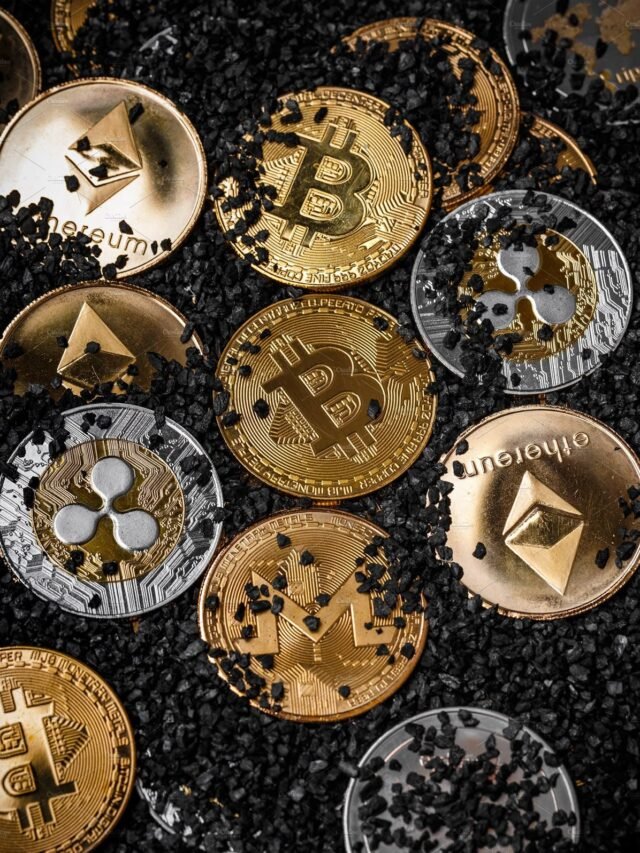
The traditional dream of homeownership—backed by a 30-year mortgage—is rapidly losing appeal among Gen Z. Instead, many young adults are exploring property tokens, blockchain-powered digital assets that represent fractional real estate ownership. These tokens allow individuals to invest in properties across the globe without applying for a bank loan, locking into a location, or saving for years to make a down payment.
This shift signals more than just a technological change. It reflects a cultural transformation in how younger generations view wealth, mobility, investment, and trust. From environmental concerns to financial freedom, Gen Z’s approach to real estate reflects their values.
This article explores why property tokens are emerging as the preferred real estate option for a generation that’s digital-first, skeptical of debt, and hungry for financial empowerment.
1. Mortgages No Longer Feel Like “The Dream”
For decades, owning a home meant stability, status, and security. But for Gen Z, that dream feels increasingly outdated.
Reasons for mortgage aversion:
-
Skyrocketing housing prices in cities and limited affordable housing.
-
High student debt burdens, making down payments difficult.
-
Job market volatility and the rise of the gig economy.
-
Fear of long-term debt—mortgages feel like a financial trap.
-
Geographic flexibility—remote work makes settling down less urgent.
The combination of financial pressure and digital convenience has paved the way for alternatives that offer ownership without obligation.
2. What Are Property Tokens?
Property tokens are blockchain-based digital assets that represent fractional ownership in a real-world property—be it residential, commercial, or rental.
Each token corresponds to a percentage of the property’s value or income. For example:
-
A $500,000 apartment could be split into 5,000 tokens priced at $100 each.
-
Token holders receive rental income proportional to their stake.
-
Tokens can be traded or sold without traditional real estate bureaucracy.
For Gen Z, this approach removes paperwork, middlemen, and high entry barriers—making it appealing to first-time investors.
3. How Property Tokens Align with Gen Z Values
✅ Accessibility
Anyone can buy in for as little as $50–$100, removing barriers created by down payments, closing costs, or credit scores.
✅ Liquidity
Unlike owning a home or REIT shares, token holders can sell their stake easily on secondary markets.
✅ Digital-Native Experience
Gen Z is fluent in crypto, NFTs, and online wallets. Managing a portfolio of property tokens feels intuitive.
✅ Global Reach
Tokenization platforms allow Gen Z to own rental properties in New York, Dubai, or Berlin—without leaving home.
✅ Shared Ownership
Fractional property fits into a generation used to sharing rides, offices, and even subscriptions. Ownership doesn’t have to be singular or physical.
4. Real Platforms Where Gen Z Is Buying In
Several global platforms now cater to digital property investment:
a. RealT (USA)
Offers tokenized U.S. rental properties; investors earn daily rent in stablecoins.
b. Lofty AI
Allows token-based ownership of rental homes, with low buy-in and daily income distribution.
c. Smartlands
Focuses on commercial European real estate, ideal for investors interested in regulated security tokens.
d. Propy
Combines NFTs and blockchain to offer real estate transaction records and ownership via tokens.
These platforms often have mobile apps, crypto wallet support, and real-time dashboards—ideal for a generation raised on finance apps like Zerodha, CoinDCX, and Robinhood.
5. Social and Economic Drivers Behind the Shift
🧠 Gen Z Is Risk-Conscious, Not Risk-Averse
They may dabble in crypto and DeFi, but Gen Z is data-driven. Property tokens offer real-world asset exposure with crypto-level convenience.
🏡 Rentals Over Roots
Remote work, digital nomadism, and minimalist living have made many in Gen Z rethink the need to own physical homes. Why settle down when life is mobile?
🏦 Mistrust of Traditional Finance
From bank bailouts to rising interest rates, Gen Z has grown up skeptical of centralized systems. Property tokens offer transparent, decentralized investment options.
📊 Financial Literacy on the Rise
Thanks to YouTube, podcasts, and social media, Gen Z is more financially educated than previous generations. They see the power of diversifying income through fractional assets.
6. Benefits of Property Tokens Over Mortgages
| Feature | Mortgages | Property Tokens |
|---|---|---|
| Minimum Investment | ₹5–20 lakh+ | ₹5,000–₹10,000 |
| Debt Requirement | High | None |
| Asset Liquidity | Low | Moderate to High |
| Geographic Flexibility | Limited | Global |
| Risk Profile | Location-specific | Diversified across cities |
| Transaction Time | Weeks to months | Minutes to hours |
7. Risks to Consider
While attractive, property tokens come with risks:
⚠️ Regulatory Uncertainty
Laws around digital assets and tokenized securities are still evolving. In some regions, ownership may lack legal protection.
⚠️ Platform Risk
If the platform fails or is hacked, users may lose access to their tokens or income.
⚠️ Market Volatility
Like any asset, token prices can fluctuate based on real estate markets and investor sentiment.
⚠️ Illiquidity in Low Demand
While tokens are tradeable, liquidity isn’t guaranteed. You may not find buyers instantly.
8. Real Stories: Gen Z Token Buyers
Case 1: Rhea, 25 – Bangalore-Based Product Designer
“I didn’t want to buy a house just to be in debt until 60. I started buying property tokens with my crypto savings. Now I earn rent every week.”
Case 2: Arjun, 24 – Mumbai-Based Content Creator
“I saw a flat in Dubai I could buy 0.5% of through tokenization. I invested ₹15,000. I don’t want to live there, but I get stable income.”
These examples show how property tokens match Gen Z’s flexible lifestyles and diversified goals.
9. The Future of Real Estate Investment
📈 Tokenization of Everything
Real estate isn’t the only sector being tokenized—art, vehicles, and farmland are next. Gen Z is likely to be at the forefront of this trend.
🏛 Government Involvement
Countries like UAE, Switzerland, and Singapore are exploring legal frameworks for tokenized real estate.
🤝 DeFi + Real Estate
Platforms are now integrating lending and borrowing mechanisms based on property tokens—blending DeFi with real-world collateral.
🏢 DAOs Buying Real Estate
Gen Z-led Decentralized Autonomous Organizations (DAOs) are starting to collectively buy properties using pooled tokens.
3 Key Takeaways
-
Property tokens offer Gen Z a way to invest in real estate without mortgages, paperwork, or high capital.
-
Digital ownership, geographic freedom, and low entry barriers make tokenized property appealing to younger investors.
-
While promising, token-based real estate must be evaluated for platform reliability, legal clarity, and exit flexibility.