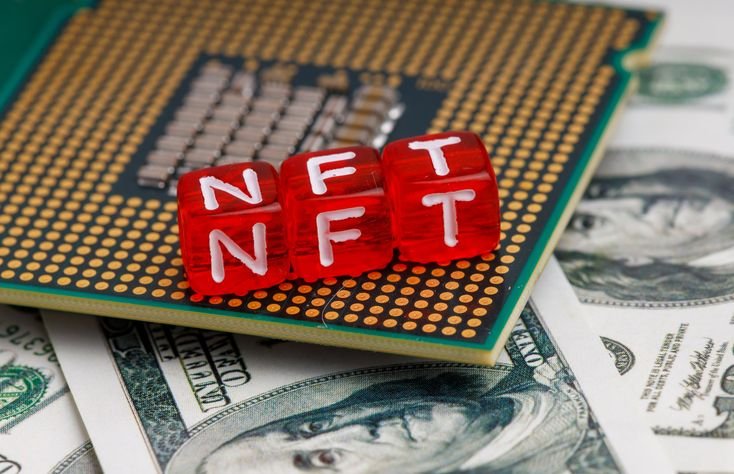
Non-fungible tokens (NFTs) brought the promise of verifiable digital ownership to art, music, and culture. Creators embraced them as a way to monetize digital works, while collectors celebrated the rise of a new art economy. But with the surge of AI-generated art, a new controversy has shaken the NFT space: plagiarism through AI.
Artificial intelligence tools can now generate images, music, and even literature at scale. While these tools empower artists with new capabilities, they also raise troubling questions: Are AI-generated NFTs plagiarizing existing artists? Who owns the rights to AI outputs? And how can blockchains enforce originality in an ecosystem designed for replication?
This article explores the rise of AI in NFTs, the plagiarism controversies, notable disputes, regulatory gray zones, and potential solutions to safeguard both creators and collectors.
1. The Rise of AI in NFTs
AI art tools like DALL·E, MidJourney, and Stable Diffusion democratized digital creativity. Anyone can type a prompt and generate high-quality images in seconds. As NFTs surged in 2021–22, AI-generated works quickly entered marketplaces such as OpenSea and Rarible.
For some, this was revolutionary: AI gave new artists the ability to compete with established names. For others, it was disruptive and exploitative: AI models trained on copyrighted works could spit out derivative images with alarming ease.
2. How AI-Generated NFT Plagiarism Happens
AI-generated plagiarism in NFTs typically occurs through three mechanisms:
-
Training Data Controversy
-
Many AI models are trained on massive datasets scraped from the internet, often without artists’ consent.
-
This means AI outputs may reflect stylistic elements of copyrighted works.
-
-
Prompt Mimicry
-
Users can input prompts like “in the style of [famous artist]” and generate NFTs closely resembling that artist’s work.
-
These pieces are then minted and sold as NFTs without credit or royalties.
-
-
Direct Copying
-
Some bad actors simply feed an artist’s portfolio into AI models, generate similar works, and mint them under their own name.
-
The result is an ecosystem where authenticity and authorship are blurred.
3. Case Studies of AI NFT Plagiarism
a) DeviantArt vs. AI Art
-
Artists on DeviantArt reported that their works were used to train AI models without consent.
-
Some then found NFT collections that mimicked their distinct styles.
-
This sparked debates about whether AI training constitutes “fair use” or copyright infringement.
b) “in the style of…” NFTs
-
OpenSea and other platforms were flooded with NFTs labeled “inspired by Basquiat,” “in the style of Banksy,” or even “like Beeple.”
-
Many collectors mistook them for legitimate collaborations or authorized derivatives.
c) Unauthorized Minting of AI Artworks
-
Some scammers mint AI-generated versions of famous copyrighted characters (Disney, Marvel, anime) as NFTs.
-
While clearly infringing, enforcement is difficult due to pseudonymous accounts.
These incidents show how AI and NFTs intersect to create new forms of plagiarism at scale.
4. Legal Gray Zones
a) Copyright of AI Works
-
Most jurisdictions don’t recognize AI as a copyright holder.
-
If no human demonstrates “creative input,” works may be deemed uncopyrightable.
b) Fair Use vs. Infringement
-
AI training may qualify as “fair use” in some contexts, but outcomes resembling specific works could still violate copyright.
c) NFT Marketplaces’ Role
-
Platforms claim neutrality, but they profit from sales of plagiarized works.
-
Enforcement is inconsistent; many rely on artists to file DMCA takedowns.
d) Cross-Border Enforcement
-
NFTs are sold globally, but copyright laws differ by jurisdiction.
-
An artist in Europe may struggle to pursue claims against an anonymous seller in Asia.
These ambiguities create a regulatory vacuum exploited by plagiarists.
5. Impact on Artists
For traditional and digital artists, AI plagiarism in NFTs is devastating:
-
Loss of Income: Counterfeit collections siphon demand from legitimate works.
-
Dilution of Brand: Floods of AI-generated imitations reduce the uniqueness of an artist’s style.
-
Psychological Impact: Artists see their labor and identities commodified without consent.
-
Barriers to Entry: Smaller creators fear entering NFT markets dominated by derivative AI art.
In effect, the very technology that promised to empower artists has, in many cases, exploited them.
6. Impact on Collectors and Markets
Collectors also face risks from AI NFT plagiarism:
-
Fraudulent Investments: Buying NFTs that later face copyright disputes may result in worthless holdings.
-
Loss of Trust: Perception of rampant plagiarism reduces confidence in NFT markets.
-
Liquidity Risk: Platforms may delist plagiarized collections, stranding collectors with unsellable assets.
The integrity of NFT ecosystems depends on distinguishing authentic works from AI fakes—a challenge that is growing harder daily.
7. Ethical Debates
AI plagiarism debates extend beyond legality into ethics:
-
Is AI Creativity Real? Supporters argue AI is a tool, like Photoshop. Critics counter that its reliance on scraped data is theft.
-
Artist Consent: Should artists have the right to exclude their works from AI datasets?
-
Cultural Evolution vs. Exploitation: Some see AI mimicry as part of artistic tradition; others see it as exploitative extraction.
-
Economic Fairness: If artists’ works fuel AI models, should they share in the profits of outputs?
These unresolved ethical debates mirror broader conflicts over ownership in digital culture.
8. Industry Responses
a) Platform Policies
-
OpenSea, Rarible, and others have introduced stricter rules against plagiarism.
-
But enforcement is reactive, relying on takedown requests.
b) Artist-Led Tools
-
DeviantArt Protect alerts creators if their works appear in AI or NFT collections.
-
New startups are developing AI watermarking to tag authentic works.
c) Legal Action
-
Artists and advocacy groups are suing AI companies for unauthorized use of copyrighted datasets.
-
Courts will likely set precedents that reshape both AI and NFT markets.
d) Emerging Protocols
-
NFT standards like ERC-721C experiment with enforcing creator royalties and provenance, potentially reducing plagiarism.
9. Possible Solutions
To mitigate AI-generated NFT plagiarism, solutions may include:
-
Consent-Based Datasets: Only include works licensed for AI training.
-
On-Chain Provenance: Use blockchain to verify if a work is linked to the original creator’s wallet.
-
AI Detection Tools: Algorithms that identify outputs mimicking specific artists.
-
Licensing Models: Creators paid when their works are used in AI training.
-
Community Standards: Marketplaces adopting stronger self-regulation to protect artists.
The combination of technology, law, and community governance will shape the future of this debate.
10. Timeline of Events
-
2021: NFT boom; AI art tools like DALL·E gain traction.
-
2022: Artists protest unauthorized use of works in AI training datasets.
-
2022–23: NFT marketplaces flooded with AI-generated collections; plagiarism scandals erupt.
-
2023: Lawsuits filed against AI companies over copyright infringement.
-
2024–25: Marketplaces and regulators begin drafting frameworks for AI + NFT authenticity.
11. Long-Term Outlook
The intersection of AI and NFTs will likely evolve along three paths:
-
Regulated Integration: Clear copyright laws force AI firms and NFT platforms to license datasets, compensating artists.
-
Hybrid Creativity Models: Artists collaborate with AI, with NFTs verifying provenance and rewarding both creators and tools.
-
Ongoing Conflict: If enforcement lags, plagiarism persists, eroding trust in NFT markets.
The ultimate outcome depends on how quickly laws, platforms, and communities adapt to balance innovation with protection.
Conclusion
AI-generated NFT plagiarism exemplifies the double-edged nature of digital innovation. On one hand, AI expands creative possibility; on the other, it undermines artists’ rights and NFT market credibility.
The debate forces hard questions: Who owns art in the age of AI? Can blockchains ensure originality, or are they just marketplaces for duplication? And most critically, will NFTs remain tools of empowerment—or become vehicles of exploitation?
As courts, regulators, and platforms grapple with these issues, one truth is clear: without stronger safeguards, AI-driven plagiarism threatens the very foundation of the NFT revolution.