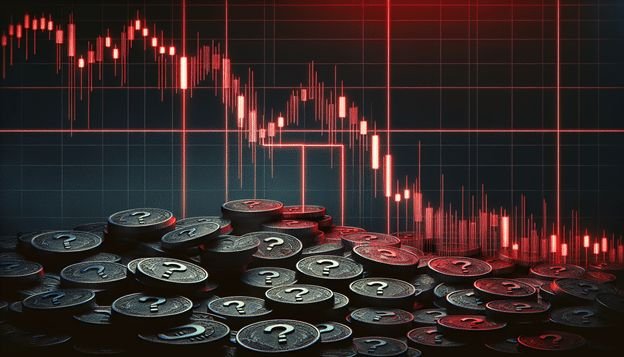
The South Sea Bubble of 1720 is one of the most infamous episodes in the history of finance — a cautionary tale of speculation, government collusion, and human greed. What began as a seemingly brilliant plan to manage Britain’s national debt turned into a spectacular financial mania that ruined thousands and reshaped the rules of investment forever.
This is the story of how a trading company with grand promises and royal backing captured the imagination — and the savings — of an entire nation, only to collapse in a matter of months.
1. The Birth of the South Sea Company (1711)
The South Sea Company was established in 1711 during a time of war and financial strain. Britain’s national debt had ballooned after years of conflict in the War of the Spanish Succession. In response, the government devised creative schemes to manage this debt, and one such plan involved forming a joint-stock company.
Under the deal:
-
Creditors holding government debt could swap their bonds for shares in the new company.
-
In exchange, the South Sea Company would get exclusive rights to trade with Spanish South America — a potentially lucrative monopoly.
The reality, however, was less promising:
-
Spain and Britain were enemies, so trade was almost impossible.
-
The company’s actual operations were small, but its potential was marketed as vast.
Even so, the company gained credibility by being closely tied to the government and Parliament.
2. Political Backing and Royal Influence
What made the South Sea Company unique was its deep political connections. Many members of Parliament were shareholders, and the company had influential friends in high places:
-
King George I served as Governor of the company (an honorary title but a huge PR boost).
-
Ministers and leading politicians held large shareholdings.
This gave ordinary investors the impression that the company was a sure bet, almost guaranteed by the Crown itself. In an era without strict securities laws, the merging of political power and private enterprise fueled confidence — and laid the groundwork for a massive bubble.
3. The Grand Scheme of 1720
By 1720, the South Sea Company proposed an even more ambitious plan: it would take on the entire remaining national debt — about £31 million — in exchange for new share issues. Holders of government bonds could swap them for South Sea shares, and the company would receive interest payments from the government.
This was marketed as a win-win:
-
The government reduced its administrative debt burden.
-
Investors would enjoy booming returns from the company’s “expanding trade.”
The plan was approved by Parliament in early 1720, and the company began to aggressively promote its stock.
4. The Hype Machine
The South Sea Company embarked on one of history’s most audacious marketing campaigns.
Tactics included:
-
Offering shares on easy credit terms so more people could buy in.
-
Spreading optimistic rumours about enormous profits from overseas trade.
-
Distributing shares to influential politicians to secure support.
At the same time, speculative fever swept through London. Dozens of other dubious companies emerged, promising improbable or outright absurd ventures. One famous advertisement was for a company formed for “an undertaking of great advantage, but nobody to know what it is.”
5. The Mania
South Sea shares soared from £128 in January 1720 to over £1,000 by August.
-
The stock became a status symbol among the wealthy and a golden ticket for the middle class.
-
People sold land, borrowed heavily, and even pawned possessions to invest.
Taverns, coffeehouses, and private clubs buzzed with talk of South Sea fortunes. Newspapers carried glowing reports of the company’s prospects.
The mania wasn’t confined to Britain — speculative bubbles also appeared in France (John Law’s Mississippi Scheme) and the Netherlands.
6. The Cracks Begin to Show
By mid-1720, reality started to intrude:
-
The South Sea Company’s trading revenues were negligible compared to its share price.
-
Some insiders began cashing out, sensing the peak had been reached.
-
Foreign investors grew cautious.
Despite this, the company tried to prop up prices by offering more loans against shares, hoping to maintain demand. But this only postponed the inevitable.
7. The Collapse
In September 1720, panic selling began. The causes were a mix of rumour, insider profit-taking, and simple fear that prices couldn’t keep climbing forever.
-
By December, shares had fallen back to around £124, wiping out the vast majority of investor wealth.
-
Thousands were ruined — from aristocrats to tradesmen.
-
Bankruptcies and even suicides were reported in the aftermath.
8. The Parliamentary Inquiry
Public outrage demanded answers. Parliament launched an investigation, revealing a tangled web of corruption:
-
Company directors had engaged in fraudulent accounting to inflate share values.
-
Politicians had accepted bribes or free share allocations in exchange for support.
-
Key figures, including Chancellor of the Exchequer John Aislabie, were disgraced.
Some directors had their estates seized to partially compensate victims, though the relief was far from adequate.
9. Economic and Social Consequences
The South Sea Bubble caused more than just financial losses:
-
Trust in financial markets collapsed. Investors became wary of joint-stock companies.
-
The public saw firsthand how political power and private greed could intertwine.
-
Credit markets tightened, and economic activity slowed.
The bubble also entered the cultural consciousness. Pamphlets, satirical poems, and political cartoons mocked the gullibility of the public and the corruption of the elite.
10. Lessons from the Bubble
Centuries later, the South Sea Bubble still resonates for investors and economists. Key lessons include:
-
Beware of hype over substance – The company’s trading profits never justified its share price.
-
Political endorsement doesn’t equal financial safety – Even royal and parliamentary backing can be misleading.
-
Easy credit fuels bubbles – Loans to buy stock amplify both the rise and the fall.
-
Herd behaviour is powerful – Social pressure and FOMO (fear of missing out) drove people to irrational decisions.
-
Regulation matters – The absence of clear laws allowed manipulation and insider dealing to run unchecked.
11. The Regulatory Legacy
In the aftermath, Parliament passed the Bubble Act of 1720, which restricted the creation of joint-stock companies without a royal charter. Ironically, the Act was passed at the height of the bubble and was partly intended to protect the South Sea Company from competition. After the crash, however, it was used to curb speculative ventures.
Although the Bubble Act remained in place until 1825, its long-term impact on investor protection was mixed. Still, the scandal prompted greater scrutiny of public companies and highlighted the need for transparency.
12. Comparisons to Modern Bubbles
The South Sea Bubble has been compared to:
-
The Dot-Com Bubble of the late 1990s, where internet companies with little revenue saw astronomical valuations.
-
The 2008 financial crisis, fuelled by overconfidence in mortgage-backed securities.
-
The cryptocurrency booms of the 2010s–2020s, where hype sometimes outran fundamentals.
In each case, speculative euphoria, leverage, and misplaced faith in new financial instruments played a role.
13. Timeline of Key Events (1711–1720)
| Year | Event |
|---|---|
| 1711 | South Sea Company founded to manage national debt. |
| 1713 | Treaty of Utrecht grants Britain limited trade rights with Spanish America. |
| 1719 | Company proposes to take over entire national debt. |
| Feb 1720 | Parliament approves debt-for-shares plan. |
| Jan–Aug 1720 | Share price rises from £128 to over £1,000. |
| Sept 1720 | Panic selling begins. |
| Dec 1720 | Share price collapses to £124. |
| 1721 | Parliamentary inquiry reveals corruption. |
14. Historical Sources and References
While the South Sea Company no longer exists, archival information and historical commentary can be found at:
South Sea Company History
Conclusion
The South Sea Bubble stands as a vivid reminder of the dangers of unchecked speculation and the intoxicating lure of easy wealth. It shows that when political power, corporate ambition, and investor greed intersect, the results can be devastating.
For modern investors, its lessons are as relevant as ever:
-
Do your own research.
-
Be sceptical of hype.
-
Remember that markets can turn faster than you think.
In the words of one 18th-century pamphlet: “The greatest fools are not those who are cheated, but those who persist in the hope of gain, even when the game is lost.”


