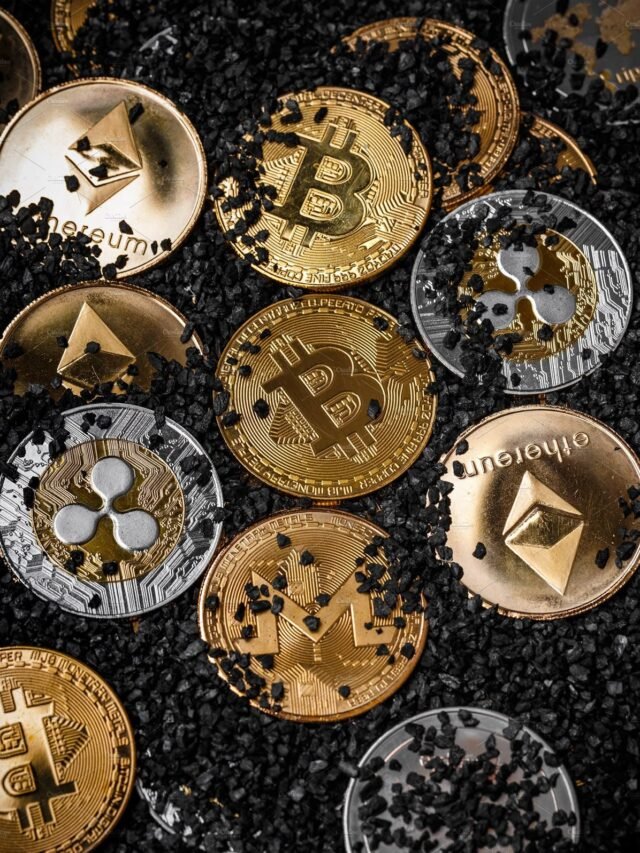
In November 2022, FTX — once one of the world’s largest cryptocurrency exchanges — collapsed spectacularly, wiping out billions in customer funds and shaking the foundations of the digital asset industry. Its implosion revealed massive fraud, reckless mismanagement, and a fragile financial structure. But alongside the revelations, another narrative emerged: was FTX’s collapse simply the result of internal rot, or was it accelerated — even orchestrated — by its biggest rival, Binance?
Rumors of sabotage spread quickly. Some argued that Binance’s public withdrawal of support was the trigger that exposed FTX’s insolvency and destroyed its credibility. Others countered that Binance simply recognized the inevitable, acting rationally as a competitor and market participant.
The truth lies somewhere in between. To understand it, one must examine the rivalry between Binance and FTX, the pivotal role of personal tensions between their founders, and the sequence of events that led to the fastest and most shocking collapse in crypto’s short history.
The Rise of Binance and FTX
Binance’s Dominance
Founded in 2017 by Changpeng Zhao, known widely as “CZ,” Binance rapidly became the world’s largest cryptocurrency exchange by trading volume. Known for its fast execution, broad asset listings, and aggressive global expansion, Binance thrived in the largely unregulated crypto environment.
FTX’s Challenger Role
FTX was founded in 2019 by Sam Bankman-Fried (SBF), a former quantitative trader at Jane Street. Backed by Alameda Research, his trading firm, FTX positioned itself as a sophisticated platform designed “by traders, for traders.” It quickly gained traction with innovative products, high liquidity, and strong connections to institutional investors.
By 2021, FTX had become Binance’s most serious rival. It had U.S. regulatory visibility, celebrity endorsements, naming rights to arenas, and a valuation that peaked at $32 billion. The crypto industry, for the first time, saw Binance facing a challenger capable of contesting its dominance.
A Brewing Rivalry
The rivalry between Binance and FTX was both commercial and personal.
-
Early Investment and Split: Binance had initially invested in FTX in 2019 but exited in 2021, receiving about $2 billion worth of FTT (FTX’s native token) and stablecoins as part of the buyout. This set the stage for tension: Binance held a massive amount of FTT, which later played a critical role in the collapse.
-
Regulatory Posturing: SBF cultivated relationships with U.S. regulators, lobbying for frameworks that critics said could have disadvantaged Binance. CZ saw this as an attempt to weaponize regulation against competitors.
-
Public Persona Clash: SBF, with his messy hair, T-shirt, and intellectual persona, styled himself as a “philosopher king of crypto,” focused on effective altruism. CZ, pragmatic and hard-nosed, leaned into being the battle-hardened exchange operator.
This rivalry simmered quietly but came to a head in late 2022.
The Spark: Alameda’s Balance Sheet Leak
In early November 2022, a leaked document revealed that Alameda Research’s balance sheet was heavily reliant on FTT tokens issued by FTX itself. Billions of dollars of assets were tied up in this illiquid token, raising concerns about both Alameda’s solvency and the circular relationship between the two entities.
The leak confirmed what critics long suspected: FTX and Alameda were dangerously intertwined, with Alameda using customer deposits from FTX to cover trading losses. This revelation shook confidence in both companies.
Binance’s Move
On November 6, 2022, CZ announced on Twitter that Binance would liquidate its remaining FTT holdings, citing “recent revelations.” This public statement was extraordinary. Large investors typically offload positions quietly to avoid tanking the market. CZ’s public move was interpreted as a direct shot at FTX’s stability.
FTT’s price plummeted as traders rushed to sell, and users began withdrawing funds from FTX en masse. Within 48 hours, FTX faced a liquidity crisis.
On November 8, Binance signed a non-binding letter of intent to acquire FTX and rescue it. But after reviewing FTX’s financials, Binance quickly backed out, citing “mishandled customer funds” and regulatory issues. By November 11, FTX filed for bankruptcy.
Rumors of Sabotage
The sequence of events — leak, Binance’s liquidation announcement, FTT’s collapse, Binance’s brief acquisition talk, and withdrawal — fueled speculation that CZ had orchestrated FTX’s downfall.
The Case for Sabotage
-
FTT Liquidation as a Trigger: CZ’s tweet arguably created panic, sparking the run on FTX.
-
Strategic Timing: Some claimed Binance knew of Alameda’s weaknesses and chose the moment to strike.
-
Brief Acquisition Feint: By signing a letter of intent and then walking away, Binance arguably compounded the chaos, deepening the sense of doom around FTX.
The Counterargument
-
Structural Insolvency: FTX was already insolvent due to misuse of customer funds. The leak merely exposed the truth.
-
Prudent Risk Management: Binance, as a major holder of FTT, had the right to liquidate a risky asset.
-
No Long-Term Benefit: Binance suffered reputational damage from the industry-wide fallout. Its business was hurt by the collapse of confidence in centralized exchanges.
In this view, Binance did not sabotage FTX but simply accelerated a collapse that was inevitable.
Personal Rivalry and Public Theater
The drama was amplified by the personalities of CZ and SBF.
-
CZ framed his actions as responsible risk management, claiming he wanted to avoid being “last to exit.”
-
SBF reportedly lobbied behind the scenes to regulators and investors, portraying CZ as destabilizing the industry.
-
Their rivalry spilled onto social media, where cryptic tweets and subtweets fueled conspiracy theories of betrayal and corporate warfare.
This clash of personalities became symbolic of deeper divides in crypto: pragmatists versus idealists, offshore operators versus regulatory darlings, builders versus lobbyists.
The Aftermath
FTX’s collapse had devastating consequences:
-
Customer Losses: An estimated one million creditors were affected. Billions in deposits vanished.
-
Market Crash: Bitcoin, Ethereum, and other assets plunged, deepening the ongoing crypto winter.
-
Trust Shattered: Confidence in centralized exchanges was badly damaged, fueling calls for proof-of-reserves audits and decentralization.
-
Legal Fallout: SBF was arrested in December 2022 and later convicted of fraud in 2023. Top executives at Alameda and FTX cooperated with prosecutors.
-
Binance’s Scrutiny: Regulators worldwide began investigating Binance more aggressively, scrutinizing its operations, compliance, and reserves.
In other words, while Binance survived, it too emerged scarred from the debacle.
Did Binance Win?
On the surface, Binance eliminated its biggest rival. With FTX gone, Binance remained the undisputed leader of crypto trading. But the victory was Pyrrhic.
-
Regulatory pressure intensified globally, with Binance facing lawsuits and crackdowns.
-
Public trust in centralized exchanges plummeted, driving users toward decentralized alternatives.
-
The collapse of FTX destabilized the entire market, hurting volumes and liquidity — the lifeblood of exchanges.
If Binance aimed to sabotage FTX, the blowback harmed the entire industry, including itself.
Lessons from the Rivalry
-
Fragility of Leverage and Illiquidity: The reliance on self-issued tokens as collateral created a house of cards for FTX.
-
Transparency Matters: FTX’s opaque relationship with Alameda proved fatal. Binance too faces calls for transparency.
-
Competitor Dynamics: In unregulated markets, rivalries can turn destructive quickly. Public announcements can trigger panics.
-
Charisma and Trust: SBF’s cultivated image of genius philanthropy crumbled instantly once trust was broken.
-
Regulatory Gaps: The collapse highlighted the absence of robust oversight in global crypto markets.
Conclusion
The collapse of FTX was one of the most consequential events in crypto history. While rumors of sabotage by Binance persist, the weight of evidence suggests that FTX’s downfall was driven primarily by its own structural insolvency and fraudulent practices. Binance’s actions may have accelerated the timeline, but they did not cause the rot that lay at FTX’s core.
The rivalry between Binance and FTX, fueled by clashing personalities and competitive tensions, became the stage on which this drama played out. Yet in the end, both companies — and the industry at large — paid the price.
The lesson is sobering: in markets built on trust, transparency is not optional. Once trust cracks, even giants can fall overnight. And when rivals fight with fire in a fragile system, the whole house risks burning down.