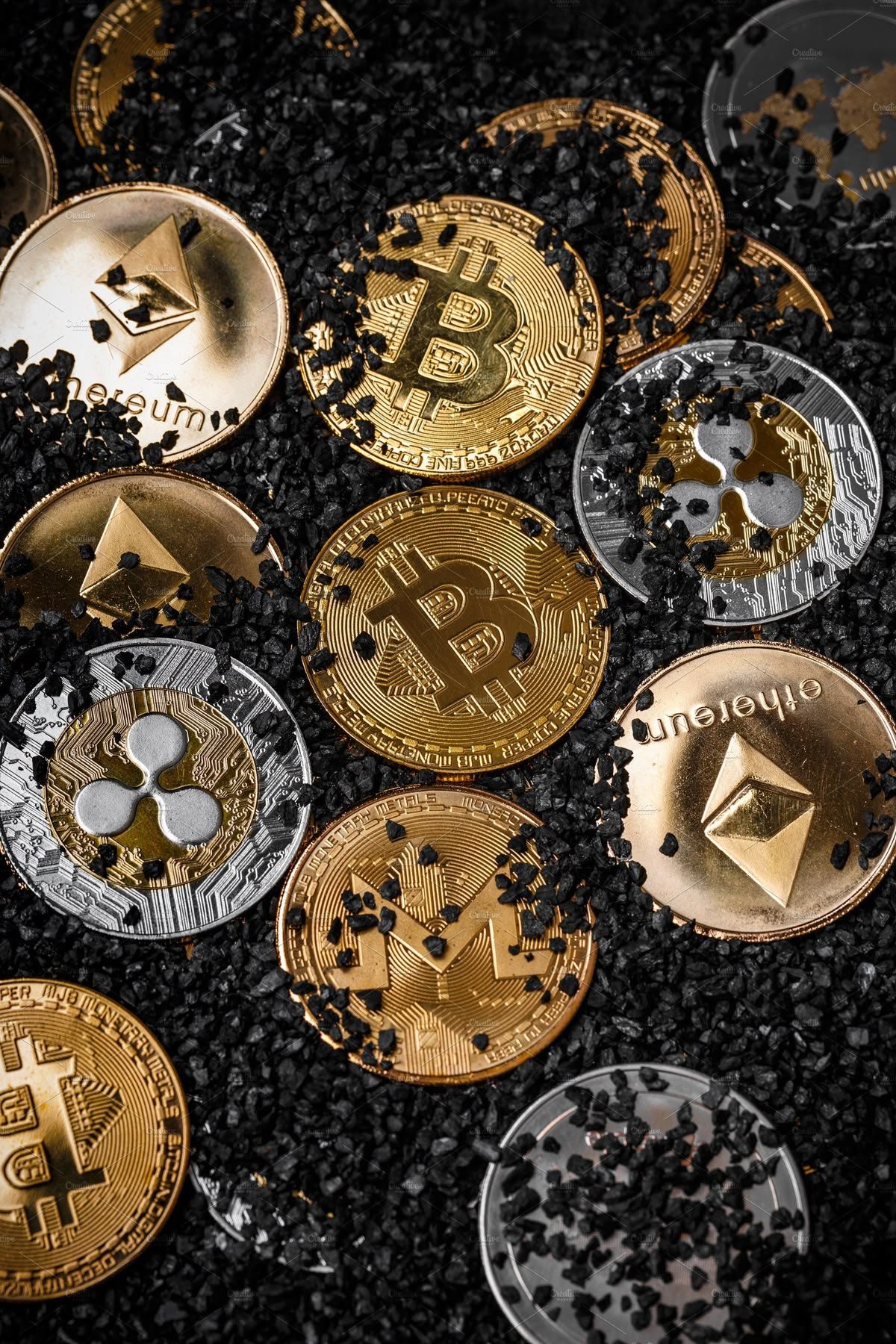
The global crypto market just witnessed a powerful surge. In the first week of October 2025, investors poured a record $5.95 billion into crypto exchange-traded funds (ETFs), marking one of the strongest inflow weeks in the history of digital assets. Bitcoin, the market’s driving force, broke past $125,000, setting a new all-time high and reinforcing investor confidence in tokenized financial products.
Investors Rush Toward Crypto ETFs
Crypto ETFs continue to reshape how mainstream investors access digital assets. These funds let people invest in cryptocurrencies without directly holding the underlying tokens. That convenience, combined with rising institutional interest, pushed inflows to historic levels this week.
Institutional investors led the rally. Hedge funds, pension managers, and asset managers increased allocations to Bitcoin-backed and diversified crypto ETFs. According to data from major global exchanges, institutional participation accounted for over 68% of all inflows. Retail investors followed their lead, motivated by soaring prices and growing media attention around Bitcoin’s latest bull run.
North America saw the heaviest activity. U.S.-based spot Bitcoin ETFs—especially those from BlackRock, Fidelity, and ARK Invest—absorbed nearly $3.8 billion in new investments. Europe contributed another $1.4 billion, while Asia, led by Singapore and South Korea, added roughly $750 million.
Bitcoin Drives the Momentum
Bitcoin’s explosive rally powered much of the ETF activity. On Monday, Bitcoin climbed past $126,000, gaining nearly 15% in just a week. That move attracted momentum traders, long-term holders, and even cautious traditional investors who had previously stayed on the sidelines.
Several factors fueled this price surge. The latest U.S. inflation data showed cooling consumer prices, strengthening expectations for interest-rate cuts by the Federal Reserve. Lower rates tend to make riskier assets more attractive, and investors treated Bitcoin as a high-yield alternative hedge.
At the same time, global adoption expanded. Major corporations—including Visa, PayPal, and Shopify—announced new blockchain-based settlement features. These developments improved Bitcoin’s utility and strengthened the broader crypto infrastructure.
“Bitcoin no longer acts as a speculative gamble,” said Maya Kirkland, a senior strategist at Nexus Capital. “It has evolved into a global digital asset class that offers both liquidity and inflation protection. Institutions now treat it as seriously as gold or high-grade bonds.”
Ethereum and Other Altcoins Join the Rally
While Bitcoin dominated headlines, other cryptocurrencies also benefited from the ETF inflow wave. Ethereum saw $720 million in new ETF investments, partly due to optimism around its latest scalability upgrade. The Ethereum network recently reduced gas fees and improved transaction speed, encouraging developers and investors alike.
Solana, Avalanche, and Chainlink ETFs also drew notable interest. Investors seeking diversification looked beyond Bitcoin, betting on networks that support decentralized finance (DeFi), tokenized real-world assets, and next-generation Web3 applications.
ETF Performance Reflects Market Maturity
The performance of crypto ETFs in 2025 illustrates how far the industry has matured. Unlike the speculative hype cycles of 2017 or 2021, today’s market operates with stronger regulation, deeper liquidity, and greater institutional oversight.
BlackRock’s iShares Bitcoin Trust (IBTC) led the pack, up 42% year-to-date. Fidelity’s Wise Origin Bitcoin Fund (FBTC) followed closely at 39%. ARK Invest’s Next Gen Crypto Innovation ETF (ARKC), which holds a mix of Bitcoin, Ethereum, and blockchain-focused equities, jumped 34% in the last quarter alone.
This performance came despite global regulatory tightening. The European Union finalized MiCA Phase II compliance rules, while the U.S. Securities and Exchange Commission (SEC) issued stricter liquidity requirements for crypto funds. Instead of dampening activity, these measures improved investor confidence.
“Transparency fuels trust,” said Elena Morales, a portfolio manager at Helix Digital Investments. “When regulators clarify the rules, serious investors step in. We now see long-term capital rather than speculative trading.”
Tokenization Trend Accelerates
The ETF inflows also highlight a larger structural trend—tokenization of financial markets. Traditional assets such as stocks, bonds, and commodities increasingly move onto blockchain rails. Investors prefer tokenized representations for faster settlement, lower transaction costs, and 24/7 trading.
Several asset managers revealed new products this week. BlackRock announced a tokenized Treasury-bond fund for institutional clients. Fidelity introduced an Ethereum-based real-estate token fund that enables fractional ownership in commercial properties. These innovations blur the line between conventional finance and decentralized ecosystems.
The $5.95 billion ETF inflow doesn’t just represent enthusiasm for crypto prices; it reflects a shift in how the world perceives value transfer and asset custody.
Asia’s Growing Influence
Asian markets played a critical role in sustaining the current rally. Singapore’s Monetary Authority expanded its regulatory sandbox for tokenized funds, allowing domestic banks to offer crypto ETF services. South Korea’s National Pension Service made its first small allocation to a Bitcoin ETF, signaling growing institutional acceptance in the region.
Meanwhile, Japan’s financial regulator approved the first Ethereum ETF for public trading, a move that instantly attracted millions in early subscriptions. The combined momentum from these countries ensured that global capital flowed steadily into digital assets.
“Asia has become a critical liquidity center for crypto,” noted Kenji Tanaka, head of research at Bitfront Analytics. “The region no longer just follows U.S. trends—it sets them.”
Retail Investors Re-Enter the Scene
Retail traders, too, returned in force. Online brokerage apps like Robinhood, eToro, and Zerodha reported sharp spikes in crypto ETF purchases. Many small investors felt more comfortable entering the market through regulated, exchange-traded products rather than direct token purchases.
Social media also amplified interest. On X (formerly Twitter), crypto hashtags like #BTC126K and #ETFMania trended for two straight days. YouTube influencers streamed live analyses of ETF flows, sparking a new wave of enthusiasm similar to the 2021 bull market—but with far more focus on regulated investment vehicles.
Challenges Ahead
Despite the optimism, the industry still faces hurdles. Some analysts warn that ETF inflows may create short-term volatility. When large funds rebalance or redeem shares, they move massive volumes of underlying assets, potentially causing price swings.
Regulatory uncertainty remains another risk. The SEC continues to evaluate 16 pending crypto ETF applications covering Solana, XRP, and other altcoins. Any denial or delay could briefly cool market sentiment.
Energy concerns also persist. Bitcoin mining still consumes significant power, and environmental critics urge stricter sustainability standards. However, miners increasingly use renewable energy, with estimates showing over 60% of mining powered by clean sources in 2025.
Market Outlook
Analysts remain bullish. JPMorgan Digital Markets forecasts total crypto ETF assets to surpass $350 billion by mid-2026 if inflows continue at even half of this week’s pace. Bitcoin’s price could reach $150,000 before the end of the year if macroeconomic conditions stay favorable.
Ethereum might also reclaim investor attention as institutional staking and tokenized bond networks expand. Altcoins that power AI-driven and DeFi ecosystems could deliver double-digit gains as liquidity spreads across new blockchain applications.
“The ETF revolution marks a turning point,” said Daniel Schwartz, head of research at Galaxy Funds. “Crypto is no longer a fringe experiment. It’s an integrated part of global capital markets.”
Final Thoughts
The record $5.95 billion inflow into crypto ETFs shows that digital assets have moved from curiosity to conviction. Bitcoin’s rally grabbed headlines, but the real story lies in how investors now treat blockchain-based products as legitimate tools for diversification, yield, and long-term growth.
As institutions expand holdings and regulators craft clearer rules, crypto ETFs could redefine how the world invests. The movement of billions of dollars into these funds in just one week proves that the digital-asset era has entered its most mature and confident phase yet.
Also Read – RBI Launches Pilot for Deposit Tokenisation: Things to Know