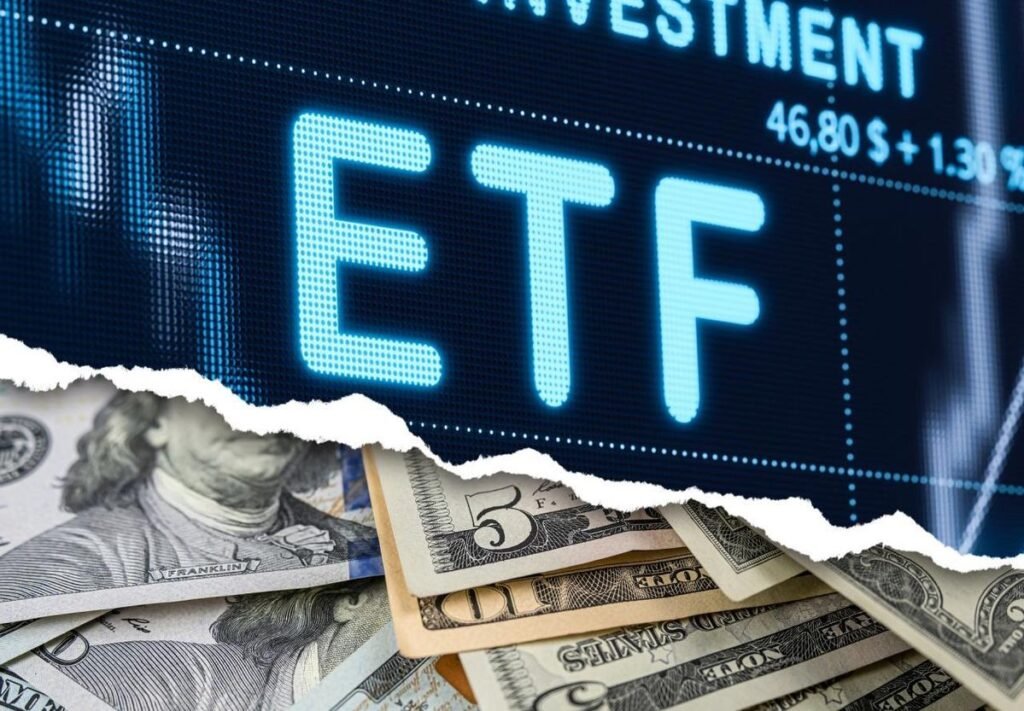
The image of a forex trading room—rows of screens, traders glued to flashing price charts, adrenaline pumping as currency pairs spike and crash—bears an uncanny resemblance to a casino floor. Both are environments where psychology, probability, and risk-taking collide. While forex trading is often marketed as a disciplined, data-driven profession, the reality inside many trading rooms, especially retail-focused ones, often mirrors gambling more than investing.
This article unpacks why forex trading rooms are so much like casinos: from the sensory stimulation and psychological manipulation to the risk structures and house advantages that shape outcomes.
The Atmosphere: Sensory Overload
1. Flashing Lights and Screens
Casinos dazzle visitors with blinking slot machines, neon signs, and constant visual noise. Trading rooms are no different. Dozens of screens show moving tickers, real-time charts, and economic news updates. The flashing of green and red price bars mimics the allure of slot reels.
2. Constant Noise
Casinos pipe in bells, chips clinking, and cheers of winners. Trading rooms have their equivalent: news alerts, pings from trading platforms, and brokers announcing new opportunities. This constant stimulation keeps traders in a heightened emotional state.
3. Time Distortion
Casinos famously avoid clocks or windows, keeping gamblers detached from time. Trading rooms can produce the same effect—traders glued to screens for hours, losing track of day and night as global forex markets run 24/5.
The Psychology: Dopamine and Addiction
1. The Dopamine Rush
Both trading and gambling exploit the brain’s reward system. Winning trades (like winning a hand of blackjack) release dopamine, reinforcing risk-taking. Even near-misses—when a stop-loss narrowly avoids being triggered—produce a rush similar to near-wins in slots.
2. Illusion of Control
Gamblers believe they can influence outcomes with strategies or “lucky streaks.” Traders often suffer the same illusion, overestimating their skill while underestimating randomness.
3. Chasing Losses
In both environments, players double down after losses, hoping to “get back to even.” This leads to blown accounts in trading just as it leads to bankruptcies at the roulette wheel.
4. Social Pressure
Casinos encourage collective excitement; cheers from a winning table spur others to bet. Trading rooms work similarly: traders see peers posting profits in chat groups or forums, pushing them to overtrade.
The Structure: Odds Against the Player
1. The House Always Wins
In casinos, odds are mathematically skewed in favor of the house. In forex, brokers can act as the house by:
-
Running B-book models where client losses equal broker profits.
-
Using widened spreads and slippage to tilt odds.
-
Encouraging over-leverage, ensuring small moves wipe out accounts.
2. High Leverage = High Stakes
Just as casinos offer high-limit tables, forex brokers entice traders with leverage up to 1:500. This amplifies both wins and losses, making the experience more like gambling than investing.
3. Random Outcomes
In both forex and gambling, short-term outcomes are largely unpredictable. While fundamentals drive currencies in the long run, intraday moves are dominated by noise—no different than a roll of dice or spin of a wheel.
The Marketing: Glamour and Fantasy
1. The Dream of Easy Money
Casinos sell the fantasy of instant riches. Forex brokers and trading rooms push a similar narrative: quit your job, trade from a beach, and earn limitless income.
2. VIP Treatment
High-rolling gamblers are offered free hotel stays; big traders are lured with exclusive account perks, tighter spreads, or invitations to private rooms.
3. The “System” Myth
Casinos thrive on selling the idea that players can beat the system. Trading rooms are full of vendors promising “foolproof forex strategies” or “black box algorithms.” Both are illusions.
The Consequences: Broken Bankrolls and Burnout
-
Financial Ruin: Just as most casino players leave poorer, the majority of retail forex traders lose money. Industry studies suggest over 70–80% of accounts end in net losses.
-
Addiction and Compulsion: The addictive structure of rapid trades mirrors gambling disorders, leading to compulsive overtrading.
-
Emotional Rollercoaster: Swinging between euphoria and despair is as common at a trading desk as at a craps table.
-
Burnout: The 24-hour cycle and constant stimulation take a toll, leaving traders drained mentally and physically.
Can Forex Trading Be Different?
Unlike pure gambling, trading does offer the potential for skill-based profit—if approached with discipline. Key differences emerge when traders:
-
Use risk management (small position sizing, controlled leverage).
-
Rely on long-term strategies (macro fundamentals, diversified portfolios).
-
Keep detailed journals and review performance analytically.
-
Treat trading as business, not entertainment.
In this sense, while the trading room may look like a casino, a professional mindset can tilt the odds back toward sustainability.
Conclusion
Forex trading rooms mirror casinos in atmosphere, psychology, and risk structure. Both environments thrive on sensory overload, emotional highs and lows, and odds tilted against participants. For many retail traders, trading becomes less about investment and more about the thrill of gambling—with predictably disastrous results.
The mystery and allure of flashing screens may feel exciting, but the reality is sobering: unless traders approach the market with discipline, patience, and humility, the trading room is just another casino floor—except one where the chips are your life savings.
ALSO READ: Figure Raises $787.5 Million in IPO, Hits $5.3 Billion Valuation