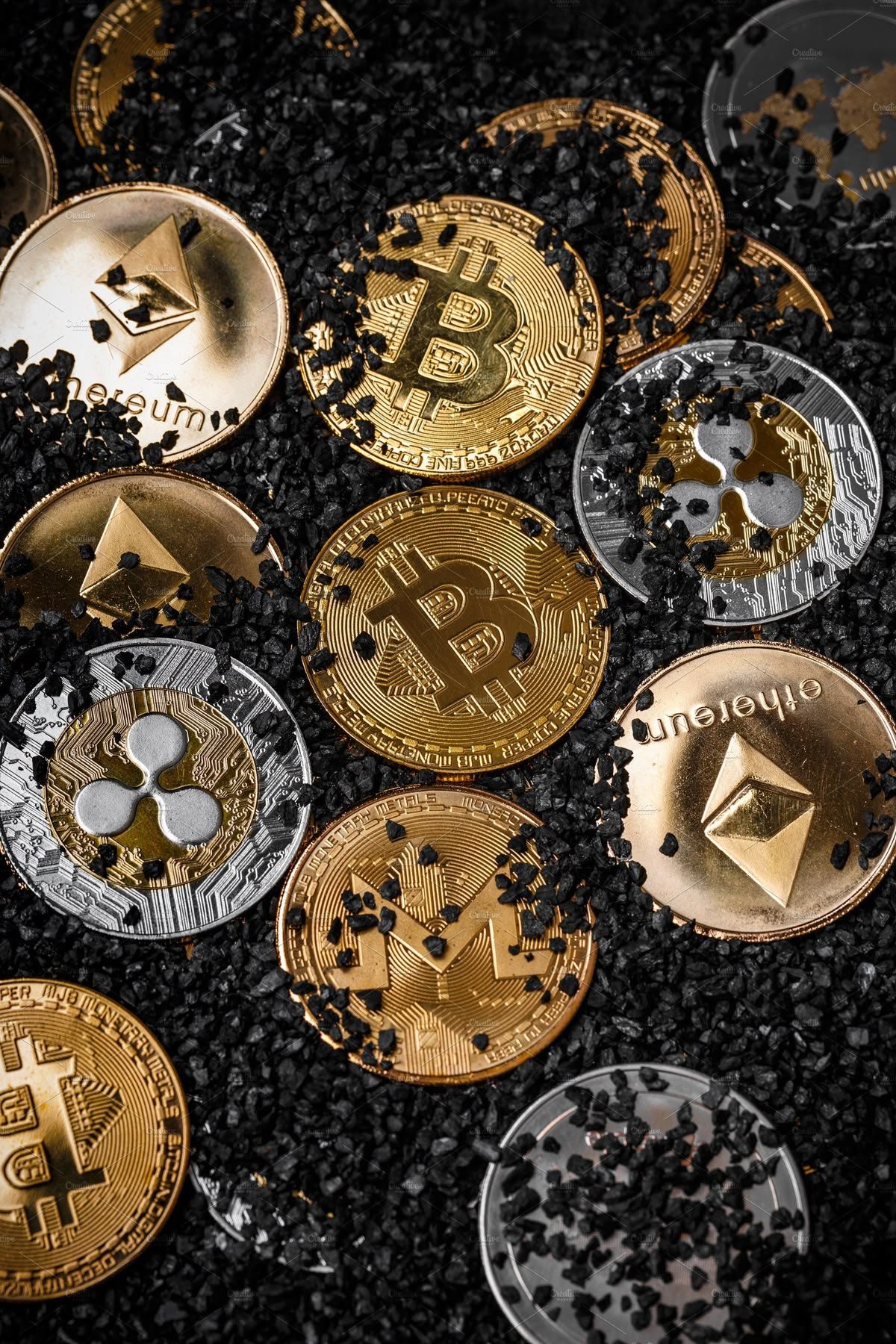
As Ethereum cemented itself as the backbone of decentralized finance, NFTs, and Web3, its limitations became impossible to ignore. High gas fees and network congestion pushed developers and users to seek solutions. The answer came in the form of Layer 2 (L2) scaling networks—protocols built on top of Ethereum that inherit its security while offering faster, cheaper transactions.
But with the arrival of Layer 2s came another trend: token speculation. From Arbitrum to Optimism to zkSync, the launch of native governance tokens sparked frenzied trading, hype cycles, and debates about whether valuations were justified. The story of L2 token speculation shows how crypto markets often move faster than adoption, with investors pricing in futures that may never arrive.
1. What Are Layer 2s?
Layer 2 blockchains are designed to scale Ethereum:
- Rollups (Optimistic & ZK): Bundle transactions off-chain, then post them back to Ethereum.
- State channels & sidechains: Early models of offloading activity.
- Examples: Arbitrum, Optimism, zkSync, StarkNet, Polygon (hybrid approach).
These networks promised relief from Ethereum’s congestion while maintaining compatibility with its ecosystem.
2. Why Tokens?
Most L2s launched governance tokens tied to their ecosystems:
- Arbitrum (ARB): Token distributed via a massive airdrop in 2023.
- Optimism (OP): Governance-focused token with “Optimism Collective” vision.
- StarkNet (STRK) and zkSync (ZKS): Tokens tied to ZK-rollup adoption.
- Polygon (MATIC): Earlier sidechain token, later reframed as an L2 play.
Tokens were framed as governance instruments—but quickly became speculative assets.
3. The Airdrop Frenzy
Airdrops played a pivotal role in Layer 2 speculation:
- Users rushed to farm activity on L2 networks, hoping to qualify for future airdrops.
- When tokens launched, demand often spiked as investors rushed to buy governance exposure.
- Airdrops sometimes created massive wealth transfers—early users received thousands or even tens of thousands of dollars in tokens.
This speculation often overshadowed genuine adoption.
4. Price Surges and Hype Cycles
The market treated L2 tokens like lottery tickets:
- Initial pumps: Tokens surged on launch hype, with narratives of scaling dominance.
- Sharp corrections: Prices fell as speculative demand faded.
- Cycles repeated: Each new L2 token launch reignited retail excitement.
At one point in 2023, ARB and OP together commanded billions in market cap, despite modest fee revenues.
5. Disconnect from Fundamentals
Speculation created a gap between price and usage:
- Low fee capture: Many L2s generated minimal revenue compared to valuations.
- Unclear value accrual: Tokens often had weak links to network economics.
- Governance tokens: Critics argued voting rights had little intrinsic worth without enforced utility.
- Overlapping ecosystems: Multiple L2s competed for the same user base, diluting long-term dominance.
In many cases, tokens traded more on narrative than fundamentals.
6. Retail Behavior
Retail traders treated L2 tokens as the next big frontier:
- FOMO over “Ethereum scaling” narratives.
- Belief that early entry into ARB, OP, or ZKS could mirror Ethereum’s meteoric rise.
- Communities rallied around tokens, branding them as bets on Ethereum’s future.
But many retail investors bought near launch highs, only to face steep drawdowns.
7. Institutional Interest
Institutions and venture capital also played roles:
- VC allocations: Many L2 tokens launched with heavy venture backing, often with favorable early pricing.
- Liquidity mining incentives: Designed to attract users but often led to mercenary capital.
- Narrative investing: Institutions pitched L2s as key infrastructure, justifying lofty valuations.
Institutional hype reinforced the speculation cycle.
8. Risks and Criticisms
Layer 2 token speculation drew significant criticism:
- Overvaluation: Tokens worth billions despite low daily active users.
- Centralization concerns: Many L2s relied heavily on centralized sequencers.
- Token dumps: Large unlocks for insiders pressured prices.
- Redundant ecosystems: Critics questioned if dozens of L2s could survive long term.
Skeptics argued L2 tokens were another bubble in the making.
9. The Future of L2 Tokens
Speculation aside, Layer 2s remain crucial to Ethereum’s future. Their tokens could evolve if:
- Revenue sharing develops: Linking token value to fees and sequencer revenue.
- Decentralization increases: Moving beyond centralized sequencers.
- Consolidation occurs: Stronger L2s may dominate weaker ones, concentrating value.
- Interoperability improves: Bridges and shared liquidity could enhance token utility.
The question is whether tokens will reflect true economic value—or remain hype-driven chips.
10. Lessons from the Speculation
- Narratives drive markets: “Scaling Ethereum” became a rallying cry for speculative flows.
- Airdrops amplify hype: Users often chase rewards rather than genuine adoption.
- Governance ≠ value: Voting tokens without revenue backing often struggle.
- Market cycles repeat: L2 speculation mirrors ICOs, NFTs, and DeFi yield farming booms.
- Survivors may thrive: If a handful of L2s dominate, their tokens could capture meaningful value.
Conclusion
Layer 2 token speculation is a case study in how crypto markets function: narratives ignite demand, airdrops fuel frenzy, and valuations often leap far ahead of fundamentals. While ARB, OP, and others remain central to Ethereum’s scaling roadmap, their tokens highlight the tension between community-driven hype and actual utility.
For now, Layer 2 tokens are less about governance or revenue and more about belief—belief in Ethereum’s future, in the inevitability of scaling, and in the power of being early. Whether those beliefs translate into lasting value will decide the outcome of the next phase of the Layer 2 wars.
ALSO READ: FTX’s $8B Black Hole: The Exchange That Betrayed Trust