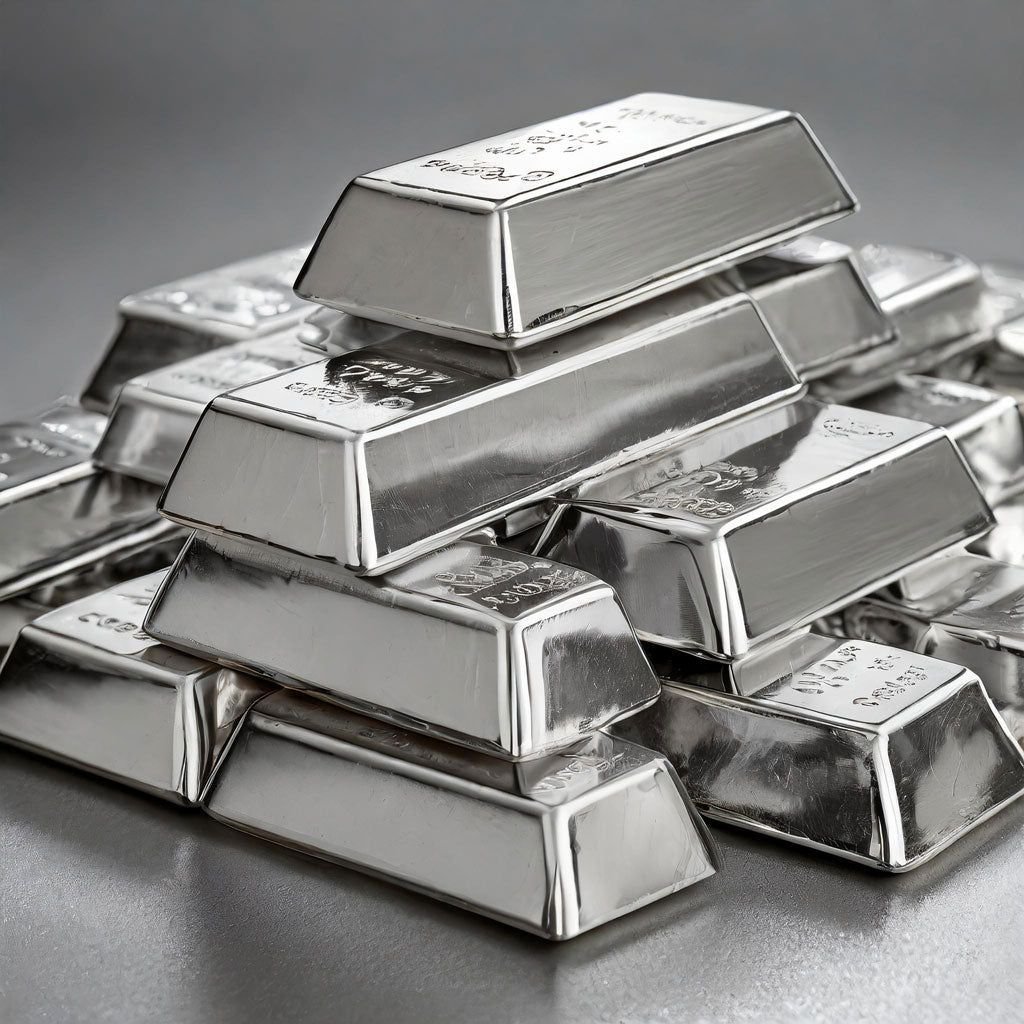
Silver exchange-traded funds have emerged as a powerful tool for investors who want exposure to silver without handling physical metal. These funds track silver prices, silver-backed assets, or companies linked to silver production. In 2025, silver ETFs attracted strong attention as inflation concerns, industrial demand, and green energy growth reshaped the commodities landscape.
This article explains how silver ETFs work, why investors choose them, how they performed in recent years, and what risks and strategies matter most.
What Are Silver ETFs?
Silver ETFs give investors market exposure to silver through stock exchanges. Investors buy and sell shares just like equities. The ETF structure removes the need to store, insure, or transport physical silver.
Most silver ETFs fall into three categories:
-
Physical silver ETFs that hold silver bullion
-
Futures-based silver ETFs that track silver futures contracts
-
Silver mining ETFs that invest in companies producing silver
Each category behaves differently during market cycles.
Why Investors Choose Silver ETFs
Silver ETFs attract investors for several reasons:
-
Hedge against inflation: Silver often rises during inflationary periods
-
Industrial demand: Solar panels, electric vehicles, and electronics rely heavily on silver
-
Lower entry cost: Silver trades at a lower price than gold, which attracts retail investors
-
Liquidity: ETFs allow instant entry and exit during market hours
In 2025, clean energy expansion increased long-term optimism for silver demand. Investors used ETFs to position for that structural trend.
Types of Silver ETFs Explained
Physical Silver ETFs
Physical silver ETFs hold actual silver bars in secure vaults. Each share represents a fractional ownership of the stored silver. These ETFs track spot silver prices closely.
Investors often choose physical silver ETFs during periods of currency weakness or financial instability. The structure delivers direct exposure to metal prices without leverage.
Futures-Based Silver ETFs
Futures-based ETFs use silver futures contracts instead of holding metal. These funds suit short-term traders rather than long-term holders.
Futures ETFs face challenges such as contango and rollover costs. During sideways or volatile markets, those costs can reduce returns even when silver prices remain stable.
Silver Mining ETFs
Silver mining ETFs invest in companies that extract and process silver. These funds offer indirect exposure because mining stocks depend on operational efficiency, management decisions, and geopolitical risks.
Mining ETFs often outperform physical silver during strong bull markets. They also decline faster during downturns.
Performance of Silver ETFs in Recent Years
Silver ETFs delivered strong gains during periods of rising inflation and industrial demand. In 2024 and 2025, silver prices climbed as governments expanded renewable energy infrastructure.
Solar energy played a major role. Each solar panel requires silver for conductivity. As global solar capacity expanded, long-term demand projections improved. Investors priced that growth into silver ETFs.
However, silver ETFs also experienced sharp corrections. Interest rate hikes strengthened the U.S. dollar at times, which pressured precious metals. Active investors used volatility to trade ranges, while long-term investors focused on accumulation.
Silver ETFs vs Physical Silver
Silver ETFs offer convenience, but physical silver appeals to investors who value direct ownership.
Silver ETFs advantages:
-
Easy trading
-
No storage concerns
-
High liquidity
-
Transparent pricing
Physical silver advantages:
-
No counterparty risk
-
Tangible asset ownership
-
Independence from financial systems
Many investors combine both approaches. They hold physical silver for long-term security and silver ETFs for tactical trading.
Risks Associated With Silver ETFs
Silver ETFs carry several risks that investors must understand.
Price Volatility
Silver prices fluctuate more than gold. Industrial demand links silver to economic cycles. During recessions, demand can drop sharply.
Currency Risk
Silver prices move inversely to the U.S. dollar. A strong dollar can suppress silver prices even when fundamentals remain strong.
ETF-Specific Risks
Physical silver ETFs rely on custodians and vaulting systems. Futures ETFs face rollover losses. Mining ETFs depend on company execution and political stability in mining regions.
Investors must align ETF selection with their risk tolerance and time horizon.
Role of Silver ETFs in a Portfolio
Silver ETFs serve multiple portfolio functions:
-
Diversification: Silver shows low correlation with equities over long periods
-
Inflation protection: Rising prices often lift precious metals
-
Growth exposure: Industrial demand links silver to technology and energy sectors
Financial advisors often recommend silver exposure between 5% and 10% of a diversified portfolio, depending on risk appetite.
Silver ETFs and the Green Energy Transition
The green energy transition has transformed silver’s investment narrative. Electric vehicles, charging infrastructure, and solar panels rely on silver’s conductive properties.
Governments continue to fund renewable projects aggressively. That trend supports long-term silver demand regardless of short-term price fluctuations. Silver ETFs allow investors to express that thesis efficiently.
Taxation of Silver ETFs
Tax treatment varies by country. In many jurisdictions, physical silver ETFs receive commodity or trust taxation rather than equity taxation. This distinction can result in higher capital gains tax rates.
Mining ETFs often receive equity-style tax treatment, which can benefit long-term investors. Investors should consult tax professionals before building large positions.
Choosing the Right Silver ETF
Investors should evaluate several factors before selecting a silver ETF:
-
Expense ratio
-
Tracking accuracy
-
Asset size and liquidity
-
Structure (physical, futures, or mining)
Long-term investors often prefer physical silver ETFs with low expense ratios. Traders may prefer futures-based products for short-term exposure.
Long-Term Outlook for Silver ETFs
Silver ETFs remain well-positioned for the coming decade. Industrial demand, supply constraints, and environmental policies support a constructive outlook. Mining supply growth remains limited due to declining ore grades and regulatory hurdles.
Price volatility will persist, but long-term trends favor strategic exposure. Silver ETFs provide a flexible, liquid, and transparent way to participate in that trend.
Final Thoughts
Silver ETFs combine accessibility with powerful macro and industrial narratives. They allow investors to hedge inflation, diversify portfolios, and benefit from technological transformation.
Successful investors understand silver’s volatility and choose ETF structures carefully. With disciplined strategy and risk management, silver ETFs can play a valuable role in modern investment portfolios.
Also Read – MUFG’s ₹36,000 Cr Bet on Shriram Finance Lifts NBFCs