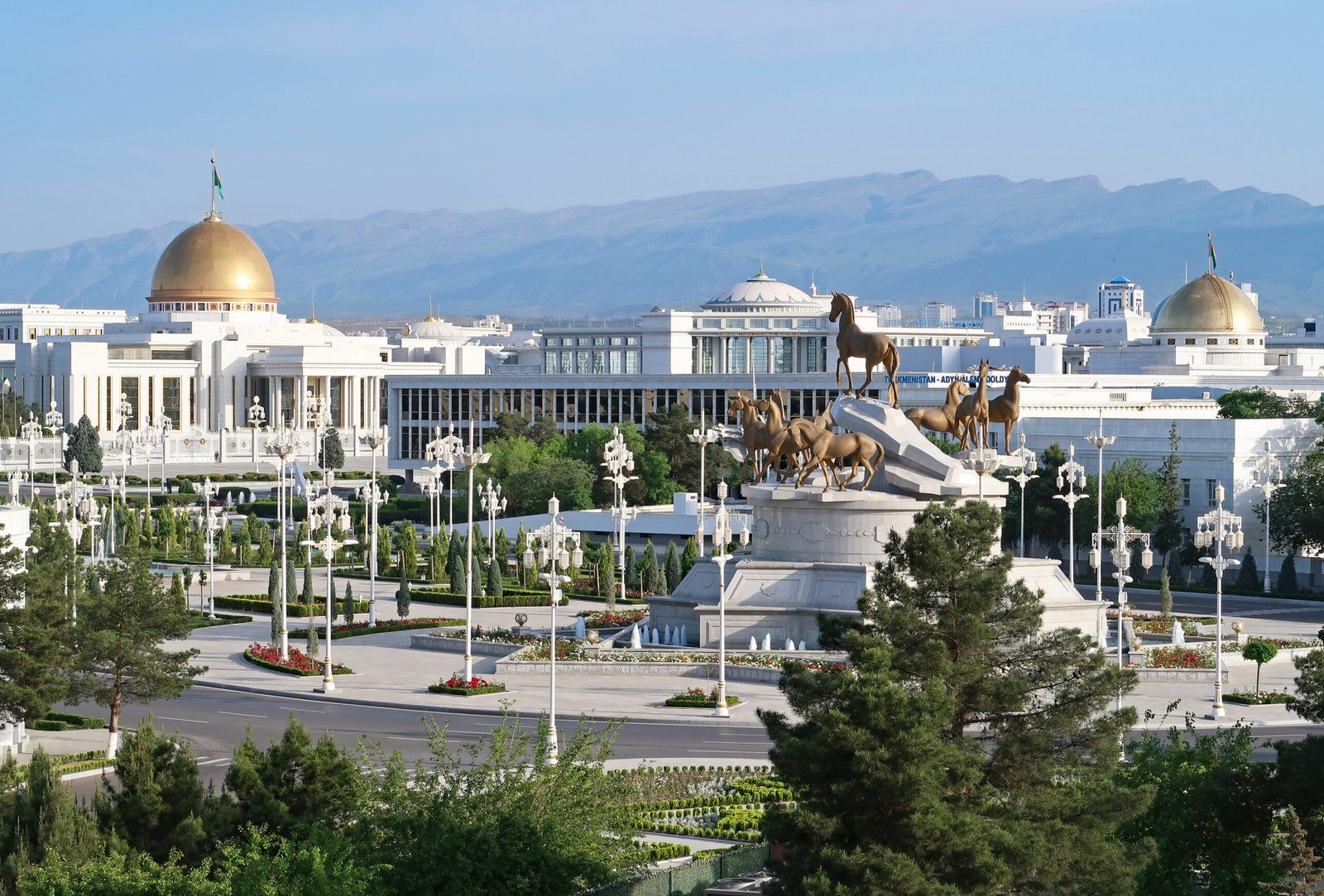
Turkmenistan shocked global observers when it officially legalized cryptocurrency mining and exchange operations. The decision marked a dramatic turn for a country known for strict economic controls and limited foreign access. This move placed Turkmenistan on the growing list of nations that now see digital assets as tools for economic diversification rather than threats to monetary control.
The government framed the reform as a strategic economic step. Officials emphasized innovation, investment, and technological modernization. With one policy announcement, Turkmenistan signaled readiness to participate in the global blockchain economy.
Why the government changed direction
For decades, Turkmenistan relied heavily on natural gas exports. That dependency created vulnerability during price swings and geopolitical pressure. Leaders now seek additional revenue streams that do not depend on pipelines or long-term commodity contracts.
Crypto mining offered a practical answer. The country already controls large energy resources. Mining operations consume electricity at scale, and Turkmenistan can supply that demand domestically. By legalizing and regulating mining, authorities expect to convert excess energy into digital value.
Officials also aim to reduce informal or underground crypto activity. Regulation gives the state visibility, control, and tax revenue. Instead of banning participation, the government chose oversight and monetization.
What the new crypto framework allows
The new policy permits licensed companies to operate cryptocurrency mining farms and run digital asset exchanges. Operators must register with designated authorities and comply with national financial regulations. The framework also introduces reporting requirements, taxation rules, and operational standards.
The government restricted crypto’s role as legal tender. Citizens cannot use Bitcoin or other digital assets for everyday payments. However, the law allows trading, holding, and institutional participation through approved platforms.
This structure reflects a cautious but deliberate approach. Turkmenistan wants innovation without surrendering monetary sovereignty.
Energy strategy meets blockchain economics
Energy economics played a central role in this decision. Crypto mining converts electricity directly into digital assets. Countries with surplus or low-cost power gain a competitive advantage in this sector.
Turkmenistan holds vast natural gas reserves and maintains state control over electricity production. Mining farms can operate near power generation sites, reducing transmission loss and infrastructure strain. This setup improves efficiency while creating a new export-like product.
The government also discussed future integration with renewable energy projects. Solar-powered mining facilities could help stabilize grid demand while showcasing sustainable innovation.
Foreign investment potential rises
Legal clarity attracts capital. Before legalization, foreign firms avoided Turkmenistan due to regulatory uncertainty. Now, international mining companies and blockchain infrastructure providers can assess the market with clearer expectations.
The government plans to issue licenses selectively. Authorities want technologically capable partners who bring capital, expertise, and compliance discipline. This approach helps the state maintain control while benefiting from global know-how.
Economic analysts expect early interest from firms operating in energy-rich regions and emerging markets. Central Asia’s geographic position also supports regional crypto infrastructure development.
Impact on regional crypto adoption
Turkmenistan’s decision may influence neighboring countries. Central Asia already hosts crypto mining activity, especially in Kazakhstan and Uzbekistan. By entering the sector officially, Turkmenistan adds competitive pressure and regional legitimacy.
This move could encourage cross-border energy agreements, shared data infrastructure, and coordinated regulatory standards. Regional cooperation would reduce risk and attract larger institutional players.
For smaller nations, Turkmenistan’s example shows that controlled legalization can coexist with strong state oversight.
Risks the government must manage
Crypto markets bring volatility. Mining profitability fluctuates with token prices, network difficulty, and energy costs. The government must prepare for cycles that could affect revenue expectations.
Cybersecurity also demands attention. Mining facilities and exchanges attract sophisticated attacks. Strong technical standards and monitoring will determine long-term success.
Regulatory credibility matters as well. Investors will watch enforcement consistency, licensing transparency, and policy stability. Any sudden reversal could damage confidence quickly.
Social and economic implications
Legal crypto operations create specialized jobs. Engineers, technicians, compliance officers, and cybersecurity professionals gain new opportunities. Universities and training institutes may adapt curricula to meet demand.
At the same time, the government must educate citizens about crypto risks. Speculation without understanding can lead to financial harm. Public awareness campaigns and clear consumer protections will play a critical role.
The state also retains control over capital flows. Regulations limit unchecked outflows while still allowing structured participation.
Global perception and strategic signaling
This legalization sends a broader message. Turkmenistan wants engagement, not isolation. By embracing blockchain technology, the country positions itself as forward-looking and pragmatic.
Global investors often view regulatory openness as a signal of broader reform. While crypto alone will not transform the economy, it opens a door to dialogue, partnerships, and incremental modernization.
The move also aligns Turkmenistan with a growing global trend. Governments worldwide now explore digital assets, central bank digital currencies, and tokenized infrastructure.
What comes next
Implementation will determine success. Licensing processes, energy pricing models, and tax structures will shape industry behavior. Early regulatory clarity will attract serious players and discourage opportunistic actors.
Observers will watch how quickly exchanges launch, how many mining licenses appear, and how the government enforces compliance. Progress over the next twelve months will reveal whether this policy delivers sustainable benefits.
Conclusion
Turkmenistan’s legalization of crypto mining and exchanges represents more than a policy tweak. It reflects strategic thinking about energy, technology, and economic resilience. By choosing regulation over prohibition, the country steps into the global digital economy on its own terms.
If execution matches ambition, Turkmenistan could transform surplus energy into long-term digital value and reshape its economic narrative for the coming decade.
Also Read – Why some bonds trade at impossible prices