
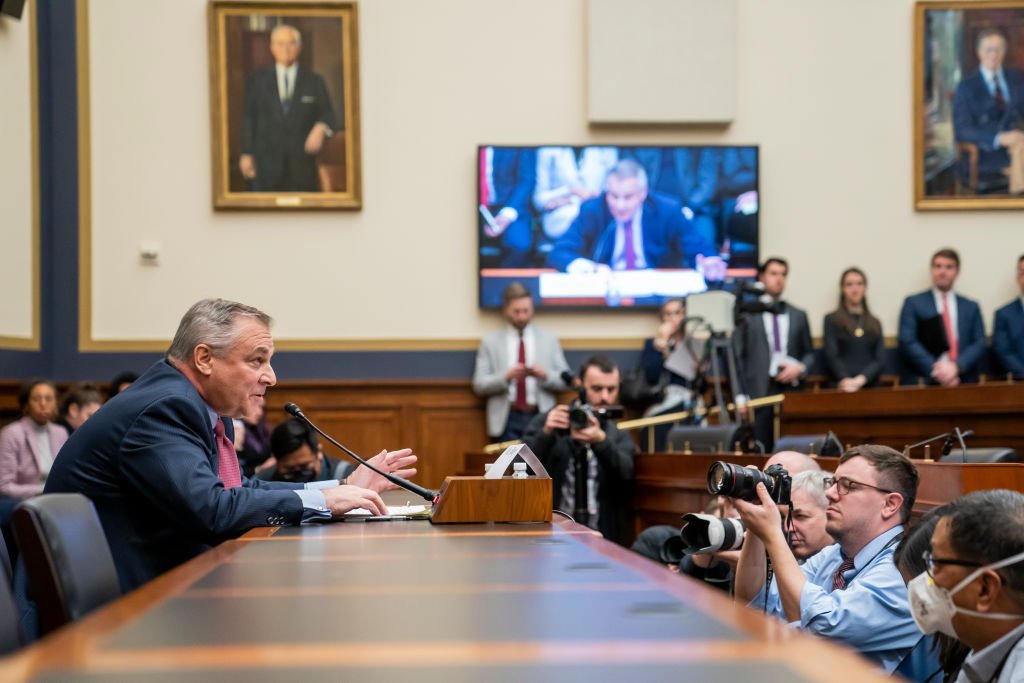
Caroline Crenshaw has resigned from her role as commissioner at the U.S. Securities and Exchange Commission, ending a tenure defined by strong skepticism toward cryptocurrencies. Her departure immediately triggered discussion across financial markets, legal circles, and the digital asset industry. Many observers see this move as a turning point that could reshape how the United States approaches crypto oversight in 2026 and beyond.
Crenshaw built a reputation as one of the most vocal critics of digital assets within the SEC. She frequently warned about fraud, market manipulation, and investor harm. With her resignation, the balance of power inside the commission may begin to change.
Caroline Crenshaw’s Role at the SEC
Caroline Crenshaw joined the SEC with a background in consumer protection and enforcement. During her tenure, she pushed for strict interpretations of securities laws as they applied to crypto tokens, exchanges, and lending platforms. She often aligned with enforcement-heavy strategies that favored litigation over industry guidance.
Crenshaw argued that many crypto products resembled unregistered securities. She stressed that innovation should not override investor protection. Her public statements consistently emphasized risk rather than opportunity.
Crypto companies frequently cited her views as evidence that the SEC lacked openness to dialogue. Industry leaders claimed that aggressive enforcement discouraged innovation and drove firms offshore.
A History of Anti-Crypto Positions
Crenshaw repeatedly criticized the approval of crypto-related products. She opposed several Bitcoin exchange-traded fund proposals and raised concerns about market surveillance and manipulation. She also questioned whether crypto markets could ever meet traditional standards of transparency and fairness.
When the SEC approved spot Bitcoin ETFs, Crenshaw issued dissenting opinions that highlighted systemic risks and potential harm to retail investors. Those dissents made her a symbol of regulatory resistance within the crypto community.
Her stance resonated with lawmakers who favored tighter financial controls. At the same time, it frustrated policymakers who wanted the U.S. to remain competitive in financial innovation.
Why Her Resignation Matters Now
Crenshaw’s resignation comes at a critical moment for crypto regulation. Courts have begun to challenge the SEC’s approach to digital assets. Congress has debated multiple bills aimed at clarifying crypto market structure. Global regulators have already implemented clearer frameworks.
Without Crenshaw, the SEC loses one of its most consistent hardline voices. This change does not guarantee a pro-crypto pivot, but it alters internal dynamics. Remaining commissioners may feel more flexibility to pursue compromise, guidance, and rulemaking instead of enforcement-first tactics.
Markets reacted quickly to the news. Several major crypto assets posted short-term gains as traders priced in the possibility of reduced regulatory pressure.
Impact on SEC Enforcement Strategy
Crenshaw supported broad interpretations of the Howey Test to classify tokens as securities. Her influence shaped enforcement actions against exchanges, staking providers, and decentralized finance projects.
Her exit may encourage the SEC to rebalance its strategy. The agency could shift toward clearer rulemaking, safe harbors, or industry consultations. Such a shift would help companies plan compliance rather than react to lawsuits.
However, enforcement will not disappear. The SEC still holds a mandate to police fraud and protect investors. The difference may lie in tone, priorities, and willingness to engage.
Market and Industry Reactions
Crypto executives welcomed the news with cautious optimism. Many industry figures described Crenshaw’s resignation as an opportunity for regulatory reset rather than a victory.
Exchanges hope for clearer registration pathways. Developers want definitions that distinguish utility tokens from securities. Investors seek consistency instead of surprise enforcement actions.
Traditional financial institutions also monitor the situation closely. Banks and asset managers want regulatory certainty before expanding crypto offerings. A less adversarial SEC could accelerate institutional adoption.
Political and Institutional Context
Crenshaw’s departure also carries political significance. The SEC does not operate in isolation. The White House, Congress, and courts all influence regulatory direction.
Several lawmakers have criticized the SEC’s crypto strategy as overly aggressive. They have called for leadership that balances innovation with protection. Crenshaw’s resignation may align with broader efforts to modernize financial regulation.
At the same time, consumer advocacy groups worry that reduced skepticism could expose retail investors to higher risk. They argue that crypto markets still lack sufficient safeguards.
What Comes Next for the SEC
The process to appoint a new commissioner will shape the agency’s future stance. A replacement with a background in fintech or market structure could tilt the SEC toward engagement. A replacement from an enforcement background could maintain the current approach.
Until then, remaining commissioners will guide policy. Their public statements and voting patterns will offer clues about regulatory direction.
The SEC also faces pressure from court rulings that demand clearer rules. Judges have increasingly questioned whether enforcement alone can substitute for formal regulation.
Implications for the Global Crypto Landscape
U.S. regulation influences global crypto markets. When American regulators take a strict stance, international firms often adjust strategies to avoid U.S. exposure. A more balanced SEC could encourage companies to return or expand operations domestically.
Other jurisdictions, including the European Union and parts of Asia, have already implemented comprehensive crypto frameworks. The U.S. risks falling behind if uncertainty persists.
Crenshaw’s resignation could help close that gap by creating space for regulatory clarity and innovation.
Risks and Limitations of Over-Optimism
Despite optimism, the industry should avoid assuming immediate change. Structural challenges remain. The SEC still enforces existing laws. Political shifts can reverse direction quickly.
Crypto markets also face risks unrelated to regulation, including security breaches, market volatility, and macroeconomic conditions.
Crenshaw’s exit represents a signal, not a solution. Real change will require coordinated action across agencies and lawmakers.
Conclusion: A Symbolic but Significant Moment
Caroline Crenshaw’s resignation marks a symbolic turning point in U.S. crypto regulation. Her departure removes one of the SEC’s strongest critics of digital assets and opens the door to a potentially more pragmatic approach.
The industry now watches closely for signs of reform, clarity, and engagement. Whether the SEC seizes this moment will shape the future of crypto innovation in the United States.
Also Read – How wars are financed through secret bond deals