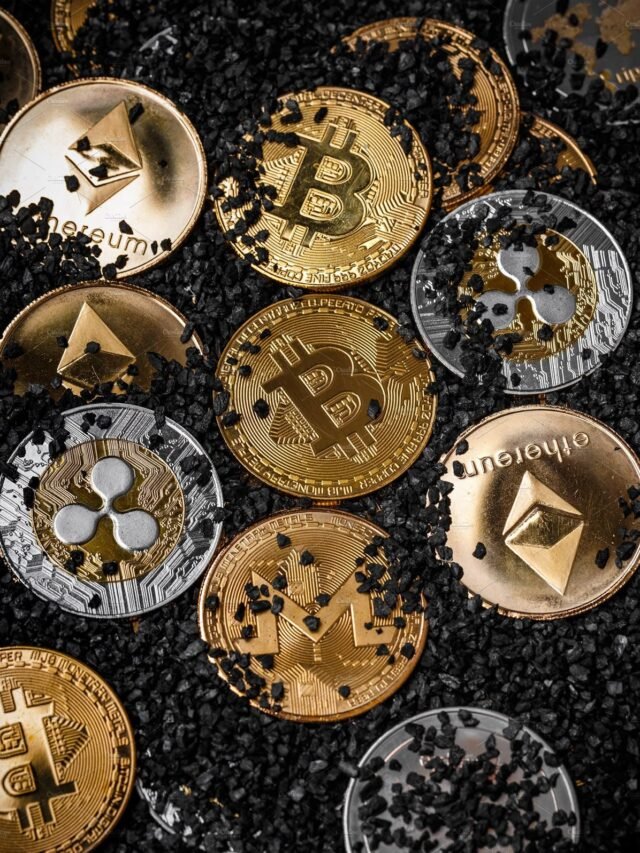
Tokenization of real-world assets (RWA) has shifted from an experimental blockchain idea into one of the most important financial trends of the decade. By representing ownership of physical or financial assets as digital tokens on a blockchain, tokenization promises faster settlement, broader accessibility, programmable financial logic, and new liquidity pathways.
Throughout 2024 and 2025, the global tokenized asset market expanded dramatically, growing from a niche few-billion-dollar segment into a multi-tens-of-billions industry. Major banks, asset managers, and custodians have begun issuing tokenized debt, money-market products, private funds, real-estate shares, commodities, and more. The shift signals not just a technological evolution but a structural transformation of how assets are issued, traded, custodied, and governed.
This article examines how tokenization is transforming real-world assets, where adoption is happening fastest, which institutions are driving the change, regulatory developments accelerating the movement, risks to consider, and what the next five years are likely to bring.
1. What Tokenization Really Means
Tokenization converts ownership rights of an asset into a digital token that can be stored, transferred, or managed on a blockchain. These tokens can represent:
-
Financial assets: bonds, stocks, funds, treasury bills
-
Physical assets: real estate, commodities, gold, art, collectibles
-
Intangible assets: carbon credits, intellectual property, royalties
-
Cash and cash equivalents: tokenized deposits, money-market shares
Tokenization is not simply “digitizing” assets; it embeds ownership, compliance, and transfer rules directly into programmable digital units. Every token becomes a container for rights and logic. This reduces intermediaries and unlocks automation.
2. Why Tokenization Is Surging in 2025
A. Institutional Adoption Has Reached Critical Mass
Large financial institutions have launched tokenized versions of funds, cash equivalents, and short-term debt instruments. These products reduce settlement delays and simplify collateral movement — problems institutions have battled for decades.
B. Maturing Blockchain Infrastructure
Public blockchains, Layer-2 rollups, and enterprise chains now support low-fee, high-throughput settlement. Financial firms no longer treat blockchain as experimental; it is becoming part of their operating infrastructure.
C. Demand for 24/7 Markets
Traditional finance still operates on limited business hours. Tokenized assets can be traded at any time, improving liquidity and enabling around-the-clock collateral management.
D. Regulatory Clarity Is Improving
Several regions created comprehensive digital asset frameworks, clarifying how tokenized securities should be issued, traded, and custodied. These rules reduced risk and opened the door for institutional products.
E. Investor Appetite for Yield Products
Tokenized treasury products and money-market instruments gained popularity due to their safety and predictable returns, making tokenization a gateway for mainstream investors entering digital assets.
3. The Key Benefits Driving Tokenization Forward
Tokenization is not growing because it’s trendy; it solves real problems.
1. Faster Settlement and Lower Costs
Traditional settlement can take days due to intermediaries and reconciliations. Tokenized assets can settle instantly or near-instantly, reducing counterparty risk and freeing capital faster.
2. Fractional Ownership
High-value assets such as real estate or art become accessible when broken into small ownership tokens. This opens investment opportunities to broader populations and increases market participation.
3. Programmability
Tokenized assets can include automated:
-
dividend distributions
-
interest payments
-
compliance checks
-
lock-up schedules
-
voting rights
-
redemption logic
This reduces operational overhead and manual errors.
4. Increased Liquidity for Traditionally Illiquid Assets
Assets like real estate, private credit, or collectibles historically suffered from limited liquidity. Tokenization creates standardized, tradeable units — unlocking secondary markets where none existed.
5. Global Access and Interoperability
Tokens can be traded globally with fewer barriers, enabling cross-border participation. This increases both demand and potential market depth.
6. Transparency and Auditability
Blockchain’s immutable ledger simplifies audits, enhances reporting, and provides real-time asset visibility.
4. Which Asset Classes Are Being Tokenized First
A. Treasury Bills & Money-Market Funds
Short-term government debt and money-market instruments dominate the tokenized market in 2025. They are attractive because they are:
-
low-risk
-
highly standardized
-
yield-generating
-
easy to legally structure
Tokenized versions of these instruments often serve as on-chain “cash equivalents” for institutions and DeFi platforms.
B. Tokenized Funds (Private Credit, Venture, Real Estate Funds)
Fund managers increasingly issue tokenized shares of private investment funds. Benefits include:
-
faster capital calls
-
easier secondary transfers
-
transparent NAV reporting
Tokenized fund platforms now manage billions in digital shares.
C. Real Estate
Tokenized real estate ranges from:
-
fractional ownership of buildings
-
commercial property shares
-
income-producing rental property tokens
-
hospitality or co-living platforms
Tokenization simplifies transfer processes, fractionalizes expensive properties, and automates rent distribution.
D. Commodities (Gold, Metals, Energy Credits)
Tokenized commodities allow investors to hold verifiable claims to real-world assets while enjoying blockchain settlement and fractional access.
E. Carbon Credits and Environmental Assets
Carbon markets historically struggled with fraud, double-counting, and low transparency. Tokenization improves traceability and verification.
F. Intellectual Property & Royalties
Music, patents, and streaming royalties increasingly are tokenized — enabling global investors to own revenue-producing IP fractions.
5. How Major Institutions Are Using Tokenization
1. Banks
Banks use tokenization to improve repo transactions, collateral settlements, cash management, and cross-bank transfers. Tokenized deposits and tokenized money-market shares are gaining traction as operational tools.
2. Asset Managers
They issue tokenized fund shares to reduce administrative friction and make secondary markets more efficient.
3. Real Estate Developers
Developers tokenize property shares to raise capital faster and expand their investor base globally.
4. Financial Market Infrastructures
Exchanges, custodians, and brokers integrate tokenized securities into existing trading and settlement systems, creating hybrid on-chain/off-chain models.
5. Enterprises
Corporations tokenize:
-
invoices
-
supply-chain assets
-
internal financial instruments
-
collateral for loans
Tokenization helps reduce payment delays and improves working capital efficiency.
6. Regulatory Landscape (2024–2025 Developments)
Regulatory clarity has rapidly improved:
-
Several countries established frameworks defining tokenized securities, issuer obligations, and digital asset custody rules.
-
Governments launched public pilot programs involving tokenized bonds and on-chain settlements.
-
Financial regulators began approving tokenized fund structures and exchange-traded tokenized products.
-
Tax authorities clarified how tokenized assets should be reported, valued, and audited.
These developments make it easier for institutions to issue compliant tokenized assets, and reduce the fear of legal ambiguity.
7. Technology Stack Behind Tokenization
Several technological layers power modern tokenization:
1. Blockchain Layer
This includes public blockchains (Ethereum, Layer-2 rollups) and private blockchains used for institutional settlement.
2. Smart Contracts
Responsible for:
-
issuance
-
trade execution
-
corporate actions
-
compliance
-
redemption
-
distribution
3. Digital Identity & Compliance
Tokenization platforms integrate:
-
KYC/AML
-
wallet verification
-
on-chain identity checks
-
jurisdiction-based transfer restrictions
4. Custody Solutions
Institutions rely on:
-
qualified custodians
-
multisig wallets
-
hardware-secured storage
-
secure transfer-agent roles
5. Oracles & Off-Chain Data Systems
They bridge:
-
asset valuations
-
legal documents
-
audit data
-
corporate records
6. Interoperability & Settlement Networks
Tokenization increasingly involves cross-chain capabilities and integration between on-chain and traditional settlement rails.
8. Key Risks and Challenges
Tokenization offers major benefits but comes with real risks.
1. Legal Enforceability Gap
Token ownership must correspond to legally enforceable ownership of the underlying asset. If not, token holders could lose protections.
2. Custody and Operational Risk
Tokenized assets must still be custodied. Loss of keys or operational mistakes can permanently destroy value.
3. Regulatory Fragmentation
Different regions define tokenized assets differently, complicating cross-border transfers.
4. Overhyped Expectations
Tokenization brings efficiency — not guaranteed liquidity or valuation boosts.
5. Smart Contract Vulnerabilities
A bug or exploit in a token contract can freeze or destroy assets.
6. Liquidity Illusions
Just because an asset is tokenized does not mean a deep, active market exists. True liquidity requires active participants.
7. Data & Reporting Challenges
Bridging off-chain data to blockchain systems remains imperfect and requires robust infrastructure.
9. Business Models Emerging in 2025
1. Tokenized Cash & Money Markets
Banks and asset managers issue tokenized short-term products that institutions use for settlement, yield, and collateral.
2. Regulated Tokenization Platforms
End-to-end providers handle:
-
issuance
-
compliance
-
transfer agency
-
custody integration
-
secondary trading
3. Real Estate Tokenization Firms
They fractionalize properties, manage rent distribution, and operate investor dashboards.
4. Tokenized Fund Marketplaces
Platforms connect investors with tokenized versions of private equity, venture capital, hedge funds, and credit funds.
5. On-Chain Collateral Networks
DeFi protocols integrate tokenized RWAs as collateral, bridging traditional finance with decentralized borrowing markets.
10. How Issuers Should Approach Tokenization
Step 1: Evaluate Legal Structure First
Determine how tokenized rights fit into local securities, property, or corporate law.
Step 2: Choose the Right Asset
Start with assets that are simple, standardized, and have clear cash flows.
Step 3: Select a Compliant Tokenization Provider
Look for platforms offering:
-
transfer agency roles
-
custodian integration
-
compliance automation
-
institutional-grade security
Step 4: Build a Liquidity Plan
Token issuance is only valuable if secondary transfer or redemption is possible.
Step 5: Ensure Audits and Insurance
Smart contract audits, operational audits, and insurance coverage are essential for building trust.
11. How Investors Should Approach Tokenized RWAs
1. Check Legal Validity
Ensure the token truly represents claimable rights.
2. Understand the Underlying Asset
Look at fundamentals, not token hype.
3. Assess Platform Risk
Evaluate the tokenization platform’s track record, security model, and governance.
4. Start Small
Test small allocations before scaling.
5. Evaluate Liquidity
Make sure there is a path to exit.
6. Understand Tax Treatment
Tokenized assets may introduce new reporting obligations.
12. The Next Five Years: What Tokenization Will Become
By 2030, tokenization will likely expand into a multi-hundred-billion-dollar market. Key trends will include:
A. Mainstream Tokenized Bonds & Funds
Most new debt issuance may eventually be tokenized due to lower settlement costs.
B. Global On-Chain Cash Systems
Tokenized bank deposits and money-market shares will become standard corporate cash tools.
C. Real Estate Tokenization at Scale
Tokenization will streamline property sales, rentals, and refinancing.
D. Integration With DeFi
Institutional-grade RWAs will flow into decentralized markets as collateral and lending instruments.
E. Unified Regulatory Frameworks
Harmonized laws will make cross-border tokenized securities more seamless.
F. Tokenized Carbon, Energy, and Supply Chain Markets
Environmental and commodity markets will rely heavily on tokenization for verification and tracking.
Final Conclusion
Tokenization is not a passing blockchain trend — it is a structural shift in global finance. In 2025, the market has already reached meaningful scale, with institutional deployments demonstrating measurable operational improvements. The benefits are real: faster settlement, lower friction, increased liquidity, fractional ownership, and programmable financial flows.
But tokenization requires rigorous legal structure, secure custody, regulatory compliance, and robust smart-contract engineering. The winners will be those who combine blockchain efficiency with the reliability and governance expectations of traditional finance.
Tokenization is transforming real-world assets — not through hype, but through practical, measurable improvements that modernize how financial systems function.
ALSO READ: DeFi Summer of 2020