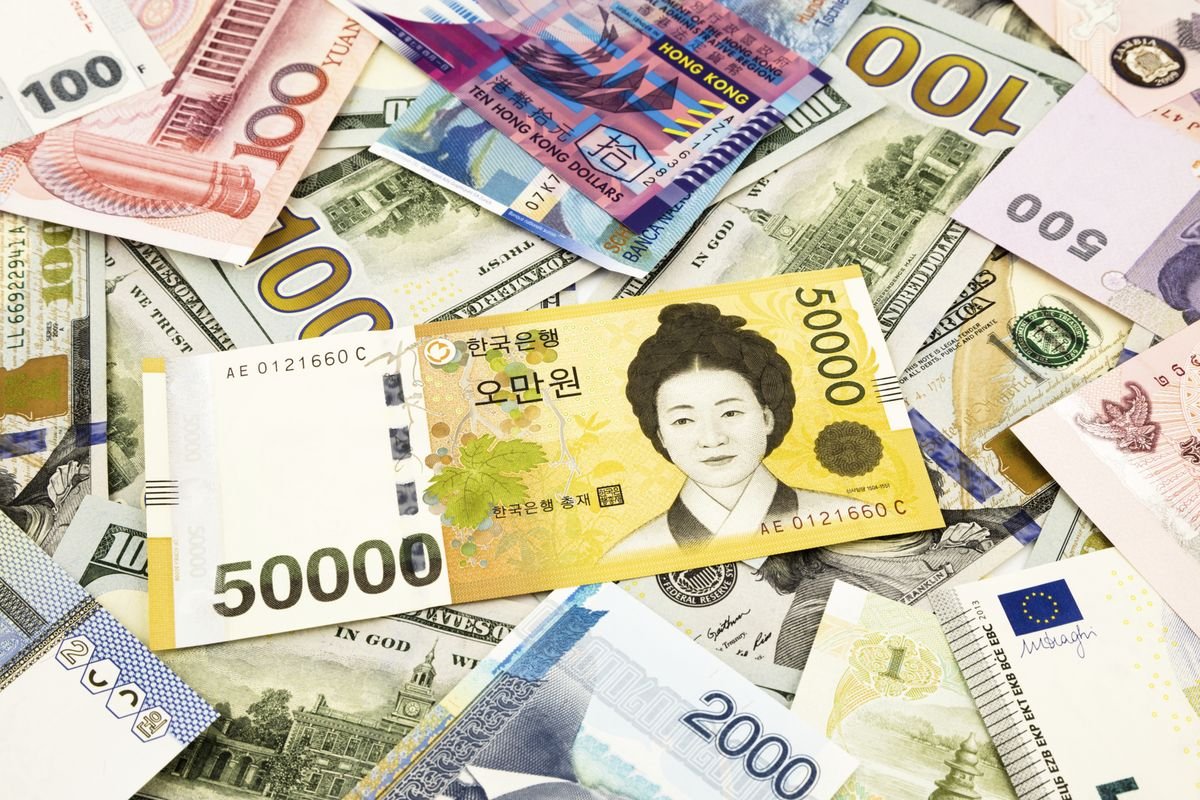
South Korean financial authorities say the Korean won has begun to stabilize after a period of sharp weakness and heightened volatility. While recent measures have calmed markets, officials and analysts agree that risks remain elevated due to global monetary conditions, capital flows, and persistent strength in the US dollar. The easing of volatility marks an important turning point, but it does not signal an end to pressure on the currency.
Over recent months, the won experienced rapid swings that unsettled investors and raised concerns about financial stability. Policymakers responded with a mix of verbal guidance, market monitoring, and coordinated actions designed to restore confidence. These efforts have delivered short-term results, yet authorities continue to stress vigilance.
What Triggered the Won’s Sharp Weakness
The won came under pressure as global investors shifted capital toward the United States in response to higher interest rates and resilient US economic data. This shift reduced demand for emerging and Asian market currencies, including the won. At the same time, geopolitical uncertainty and slowing global growth increased risk aversion, further discouraging foreign investment into South Korean assets.
Domestic factors also played a role. South Korea’s heavy reliance on exports makes its currency sensitive to global trade cycles. Weak demand in key markets, particularly in technology-related sectors, reduced export revenues and weighed on sentiment toward the won.
As selling pressure increased, currency volatility spiked. Rapid intraday movements created uncertainty for businesses and investors, prompting authorities to step up their response.
Authorities Step In to Calm Markets
South Korean financial officials moved quickly to address the situation. They emphasized their readiness to act against excessive volatility and communicated closely with market participants. This clear messaging helped discourage speculative behavior and reassured investors that authorities would not tolerate disorderly market conditions.
Regulators also increased monitoring of foreign exchange markets and capital flows. By signaling strong oversight, they aimed to reduce panic-driven trading and restore orderly price discovery. These steps contributed to a noticeable easing in volatility, even though the won remains weaker than earlier levels.
Officials stressed that their goal focused on stability rather than defending a specific exchange rate. This distinction matters. By allowing the won to reflect economic fundamentals while preventing extreme swings, authorities sought to balance market flexibility with financial stability.
Signs of Improvement in the FX Market
Recent trading sessions show narrower daily ranges for the won compared with the peak volatility period. Liquidity conditions have improved, and bid-ask spreads have tightened, suggesting healthier market functioning. Traders now report fewer abrupt moves triggered by speculative flows.
This improvement reflects a combination of policy signaling and shifting global sentiment. Some investors have adjusted expectations around future US rate increases, reducing pressure on Asian currencies. In addition, improved communication from South Korean authorities has helped anchor expectations.
However, officials caution against complacency. They acknowledge that calmer conditions can reverse quickly if external shocks emerge.
Global Factors Still Dominate the Outlook
Despite recent stabilization, global forces continue to drive the won’s medium-term direction. The strength of the US dollar remains a key variable. As long as US interest rates stay high relative to those in other economies, capital will likely favor dollar assets.
China’s economic trajectory also matters greatly for South Korea. As its largest trading partner, China influences South Korea’s export performance and investor sentiment. Any slowdown in Chinese demand can weaken the won, while signs of recovery could provide support.
Geopolitical risks add another layer of uncertainty. Tensions in major regions, shifts in global trade policy, or energy market disruptions could quickly reignite volatility in currency markets.
Impact on Businesses and Trade
Currency volatility directly affects South Korean businesses, especially exporters and importers. A weaker won can boost export competitiveness, but sharp swings complicate pricing decisions and contract negotiations. Companies struggle to plan when exchange rates move unpredictably.
Stabilization offers some relief. With reduced volatility, firms can manage hedging strategies more efficiently and control costs. However, executives remain cautious, as lingering risks could still disrupt financial planning.
Small and medium-sized enterprises feel the impact most acutely. These firms often lack sophisticated risk management tools and face higher costs when volatility rises. Authorities recognize this vulnerability and view currency stability as essential to protecting the broader economy.
Role of Monetary Policy
South Korea’s central bank faces a delicate balancing act. On one hand, policymakers must consider inflation and domestic growth. On the other, interest rate decisions influence capital flows and currency strength.
Higher rates can support the won by attracting foreign capital, but they can also slow economic growth. Lower rates may stimulate domestic demand but risk renewed pressure on the currency. Policymakers must weigh these trade-offs carefully as global conditions evolve.
Market participants expect authorities to coordinate monetary policy with broader financial stability measures. Clear communication will remain critical in guiding expectations and reducing unnecessary volatility.
Investor Sentiment and Capital Flows
Investor confidence plays a decisive role in currency stability. When confidence weakens, capital exits quickly, amplifying currency moves. Recent calming signals from authorities have helped stabilize sentiment, but confidence remains fragile.
Foreign investors continue to watch economic data, policy signals, and global developments closely. Any negative surprise could trigger renewed outflows, while positive developments could attract fresh inflows and strengthen the won.
Authorities understand this dynamic and prioritize transparency. By sharing assessments of market conditions and policy intentions, they aim to reduce uncertainty and discourage abrupt shifts in investor behavior.
Risks That Could Renew Volatility
Several scenarios could disrupt the current calm. A renewed surge in US inflation could push US yields higher and strengthen the dollar further. Escalating geopolitical tensions could drive investors toward safe-haven assets and away from emerging markets.
A sharp slowdown in global trade would also hurt South Korea disproportionately, given its export-oriented economy. Under such conditions, pressure on the won could intensify despite domestic stabilization efforts.
Officials emphasize preparedness. They continue to monitor markets closely and maintain readiness to respond if volatility returns.
Outlook for the Korean Won
In the near term, analysts expect the won to trade more steadily than during the recent turbulence. Authorities’ actions have restored a degree of order, and markets have adjusted to the current policy environment.
Over the medium term, the won’s direction will depend largely on external factors. Global interest rate trends, trade conditions, and investor risk appetite will shape outcomes more than domestic policy alone.
Stability, rather than strength, appears to be the central objective. Policymakers aim to prevent disruptive swings while allowing the currency to adjust gradually to economic realities.
Conclusion
South Korean authorities have succeeded in easing extreme volatility in the foreign exchange market, providing temporary relief to businesses and investors. Their actions have restored confidence and improved market functioning, but they have not eliminated underlying risks.
The Korean won remains vulnerable to global forces beyond domestic control. Continued vigilance, clear communication, and policy coordination will determine whether recent stability endures. For now, calmer markets signal progress, but the path ahead still demands caution and careful management.
Also Read – Bitcoin’s Halving Hype Rallies