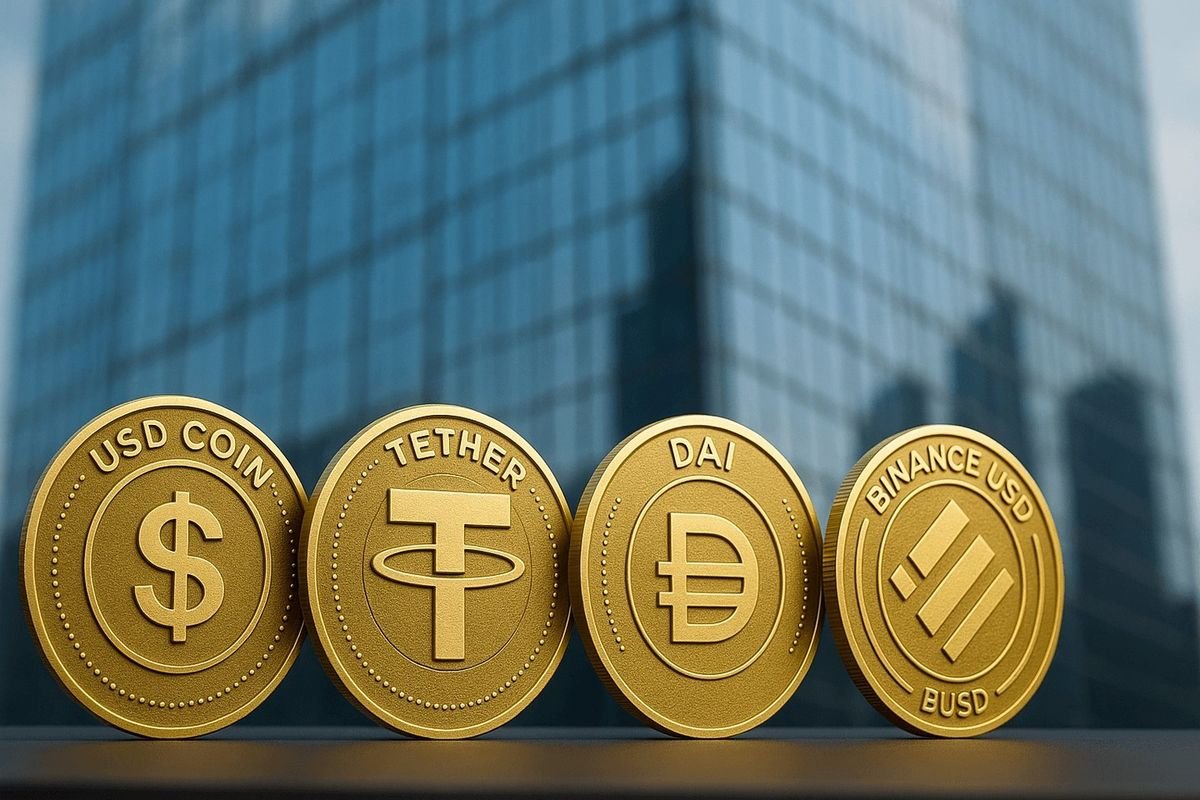
The stablecoin market recorded a sharp contraction on January 27, 2026, as investors pulled more than $2 billion out of dollar-pegged digital assets and redirected capital into gold. This move reflected growing caution among traders and institutions who now prefer traditional safe-haven assets over crypto-linked liquidity tools.
Stablecoins often function as the backbone of crypto trading. Traders use them to hedge against volatility, move funds between exchanges, and park value during uncertain market conditions. When stablecoin supply drops, it signals a broader shift in sentiment. This time, the shift pointed directly toward gold.
Investors Choose Safety Over Speed
Investors moved into gold because they wanted protection from market swings and geopolitical uncertainty. Inflation concerns, global economic tension, and unclear interest rate signals pushed many portfolios toward conservative strategies. Gold offered familiarity and long-term trust, while stablecoins carried indirect exposure to crypto market risks.
Large wallet data showed steady redemptions from major stablecoins such as USDT and USDC. At the same time, commodity-backed ETFs and gold-linked financial products reported higher inflows. This parallel movement confirmed that capital did not vanish from markets. It simply changed direction.
Portfolio managers also reduced exposure to stablecoins because they feared sudden regulatory action. Governments continued to debate stablecoin oversight, reserve requirements, and issuer transparency. These discussions created enough uncertainty to motivate risk-averse investors to leave the sector temporarily.
Impact on Crypto Liquidity
The stablecoin contraction immediately affected crypto liquidity. Exchanges rely heavily on stablecoins to maintain smooth trading operations. With fewer stablecoins in circulation, order books thinned and spreads widened slightly across several major trading pairs.
Bitcoin and Ethereum prices reacted with mild downward pressure. Traders who previously held stablecoins as dry powder now hesitated to re-enter the market. This hesitation slowed momentum and limited short-term rallies.
Decentralized finance protocols also felt the effects. Lending platforms recorded lower total value locked as users withdrew funds and converted them into fiat or commodity-linked assets. Yield farming activity declined because fewer traders wanted exposure to smart contract risk during uncertain conditions.
Why Gold Attracted Crypto Capital
Gold regained appeal because it offered stability and global acceptance. Unlike crypto assets, gold does not depend on blockchain networks, smart contracts, or exchange infrastructure. Investors trusted its ability to preserve value during periods of macro stress.
Rising bond yields and concerns over equity market corrections strengthened gold’s narrative as a hedge. Some investors viewed stablecoins as temporary shelters but not long-term protection. They saw gold as a better store of value during a potential economic slowdown.
Central banks also increased gold reserves in recent months. This action reinforced confidence among private investors and encouraged them to follow institutional trends. When central banks buy gold, markets often interpret the move as a signal of caution.
Stablecoins Lose Their Defensive Role
Stablecoins traditionally serve as defensive instruments inside the crypto ecosystem. Traders convert volatile tokens into stablecoins when they expect turbulence. However, this time investors skipped that step and exited crypto exposure entirely.
Several factors contributed to this behavior. Regulatory pressure remained one of the biggest drivers. Stablecoin issuers faced growing scrutiny regarding reserves, audits, and compliance. Any hint of instability around these assets undermined their core promise of safety.
Additionally, yields on traditional money market funds and treasury products remained attractive. Investors no longer needed stablecoins to earn returns on idle capital. They could access comparable or better yields through conventional financial instruments.
This shift reduced the strategic advantage of holding stablecoins. Instead of parking funds in digital dollars, investors chose physical and financial gold products.
Market Sentiment Reflects Broader Anxiety
The rotation from stablecoins to gold revealed deeper anxiety within financial markets. Traders worried about inflation persistence, geopolitical risks, and unpredictable monetary policy. These concerns pushed sentiment toward capital preservation rather than speculation.
Crypto markets often thrive during periods of optimism and liquidity expansion. When fear dominates, investors reduce exposure to innovative and volatile sectors. The stablecoin outflow confirmed that caution outweighed risk appetite on January 27.
Social media discussions mirrored this mood. Analysts and traders emphasized defensive strategies and warned about potential corrections. Many recommended holding cash or gold instead of increasing crypto positions.
Short-Term and Long-Term Consequences
In the short term, reduced stablecoin supply may limit trading volumes and slow price recovery across crypto markets. Lower liquidity can amplify volatility and make markets more sensitive to sudden news events.
However, the long-term impact depends on how quickly confidence returns. If macro conditions improve and regulatory clarity increases, investors may rebuild stablecoin reserves and restore liquidity. Stablecoins remain essential tools for cross-border payments and decentralized finance.
Developers and issuers also learned from this episode. They now face pressure to improve transparency, strengthen reserve audits, and communicate clearly with users. These steps could rebuild trust and attract capital back into the ecosystem.
Lessons for Crypto Investors
The shift from stablecoins to gold highlights an important lesson about diversification. Crypto markets do not exist in isolation. They respond to global financial trends and investor psychology.
Investors who relied solely on stablecoins for safety discovered that broader market forces still influence their strategies. True risk management requires exposure to multiple asset classes, including commodities and traditional instruments.
This episode also showed that liquidity can leave the crypto ecosystem quickly when confidence weakens. Traders must monitor stablecoin supply as closely as they watch Bitcoin or Ethereum prices.
Future Outlook
The stablecoin market contraction does not signal the end of digital dollars. Instead, it reflects a temporary defensive move. Gold absorbed capital because it matched current investor priorities: security, predictability, and historical trust.
If inflation stabilizes and regulatory frameworks mature, stablecoins could regain their role as crypto’s primary liquidity engine. New compliance standards and institutional partnerships may strengthen their credibility.
For now, the market stands at a crossroads. Investors must decide whether to stay cautious or prepare for renewed risk-taking. Gold currently dominates the safety narrative, but innovation may eventually draw capital back to digital assets.
Conclusion
The stablecoin market lost over $2 billion as investors shifted funds into gold on January 27, 2026. This movement reflected growing risk aversion and concern about regulatory and macroeconomic uncertainty. Reduced stablecoin supply tightened crypto liquidity and slowed market momentum.
Gold attracted capital because it offered reliability and protection during turbulent times. Stablecoins, once seen as safe havens within crypto, lost part of their defensive appeal.
This event underscored the close relationship between crypto markets and global financial sentiment. As investors navigate uncertainty, their choices reveal where trust truly lies. For now, gold holds that position, while stablecoins wait for confidence to return.
Also Read – Gold Breaks $5,000 as Yen Jumps and Dollar Weakens