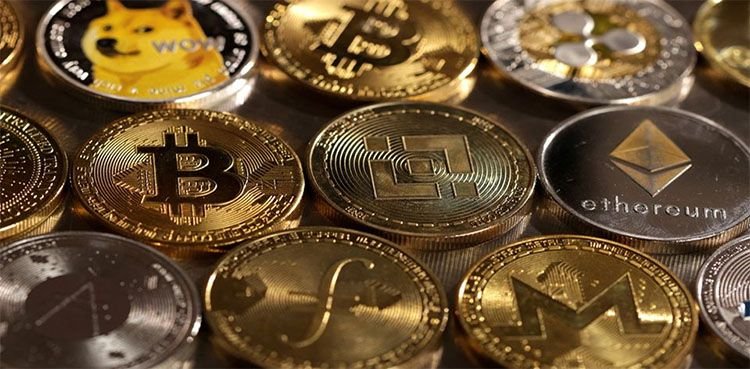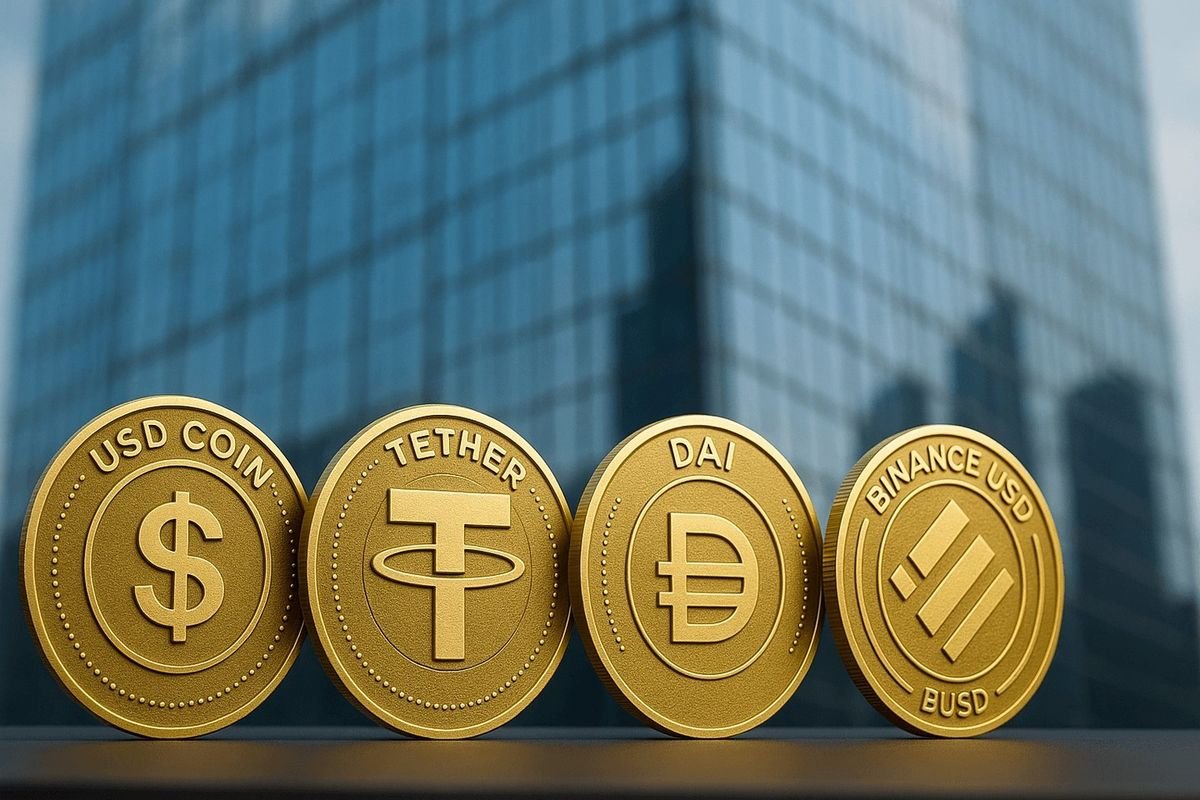
Cryptocurrency markets evolve rapidly, but leadership within the space tends to concentrate around a small group of assets that combine liquidity, adoption, and strong narratives. While thousands of digital tokens exist, only a handful consistently dominate market capitalization, trading volume, and public attention. These leading cryptocurrencies form the backbone of the broader ecosystem, influencing everything from price cycles to technological direction.
This article takes a general, timeless look at the ten cryptocurrencies that dominate the market today. Rather than focusing on short-term price movements or daily data, it explains why these assets matter, what role they play in the ecosystem, and how they maintain their positions at the top.
Understanding Market Dominance in Crypto
Market dominance in cryptocurrency is usually driven by a combination of:
-
Liquidity: How easily the asset can be traded across exchanges
-
Network effects: The size of its user, developer, and institutional base
-
Utility: Real-world or on-chain use cases
-
Trust and longevity: How long the asset has survived market cycles
-
Infrastructure role: Whether it acts as settlement, collateral, or liquidity rail
The assets discussed below consistently score high across several of these dimensions.
1. Bitcoin (BTC) — The foundation of crypto
Bitcoin is the first and most recognized cryptocurrency, often referred to as digital gold. Its primary role is as a store of value rather than a programmable platform.
Bitcoin’s fixed supply, decentralized security model, and resistance to censorship have made it the benchmark asset of the entire crypto market. Many institutional participants view Bitcoin as the least risky crypto exposure due to its simplicity and maturity.
Why it dominates:
-
Strong scarcity narrative
-
Deepest liquidity in crypto markets
-
Widely accepted by institutions and custodians
Primary role: Long-term value storage and macro hedge
2. Ethereum (ETH) — The programmable blockchain
Ethereum is the leading smart contract platform, enabling decentralized applications, financial protocols, NFTs, and token issuance. It functions as the base layer for much of the decentralized web.
Unlike Bitcoin, Ethereum is not just money—it is infrastructure. Developers build applications directly on top of it, creating an entire economy of decentralized finance, gaming, and digital ownership.
Why it dominates:
-
Largest developer ecosystem
-
Backbone of DeFi and NFTs
-
Strong network effects
Primary role: Smart contract execution and decentralized finance
3. Tether (USDT) — The liquidity backbone
Tether is the most widely used stablecoin, designed to maintain a stable value relative to fiat currency. It plays a crucial role in trading and settlement rather than speculation.
Stablecoins like Tether allow traders and institutions to move capital quickly without exposure to volatility. As a result, they act as the fuel that keeps crypto markets liquid and efficient.
Why it dominates:
-
Extremely high trading volume
-
Accepted across nearly all exchanges
-
Key settlement asset
Primary role: Trading liquidity and capital movement
4. Binance Coin (BNB) — Exchange-powered utility
BNB originated as an exchange utility token and expanded into a broader ecosystem asset. It is used for transaction fees, on-chain activity, and participation within a large crypto platform environment.
Its value is closely tied to the usage and success of the ecosystem it supports, blending centralized exchange economics with blockchain utility.
Why it dominates:
-
Direct utility across services
-
Strong platform-driven demand
-
Deflationary mechanisms
Primary role: Platform utility and ecosystem fuel
5. XRP — Payments and settlement focus
XRP is designed for fast and low-cost value transfer, particularly across borders. Its core value proposition lies in payments and financial settlement rather than decentralized applications.
Despite controversy and regulatory attention over time, XRP has maintained a strong position due to liquidity and its focus on institutional payment use cases.
Why it dominates:
-
Fast transaction speeds
-
Consistent liquidity
-
Focused payments narrative
Primary role: Cross-border settlement
6. USD Coin (USDC) — Institutional-grade stablecoin
USD Coin is a regulated-focused stablecoin widely used in institutional and compliance-conscious environments. It is often favored for transparency and integration with regulated financial services.
USDC plays a major role in decentralized finance, acting as collateral, settlement currency, and unit of account across many protocols.
Why it dominates:
-
High trust among institutions
-
Strong compliance framework
-
Broad DeFi integration
Primary role: Stable settlement and institutional liquidity
7. Solana (SOL) — High-speed blockchain platform
Solana is a high-performance blockchain designed for speed and scalability. It targets applications requiring fast execution and low transaction costs, such as gaming, NFTs, and high-frequency trading protocols.
Its architecture allows for high throughput, which has helped attract developers seeking alternatives to slower networks.
Why it dominates:
-
High transaction capacity
-
Low fees
-
Rapid ecosystem growth
Primary role: Scalable smart contracts and applications
8. TRON (TRX) — High-volume transactions and content
TRON focuses on efficient, low-cost transactions and has become popular for high-volume transfers and content-related applications. It is widely used for stablecoin transfers and consumer-oriented platforms.
Its emphasis on throughput and affordability has allowed it to maintain relevance even as competition increases.
Why it dominates:
-
High transaction volume
-
Low costs
-
Strong presence in stablecoin transfers
Primary role: Payments and content distribution
9. Lido Staked Ether (stETH) — Liquid staking innovation
stETH represents Ethereum that has been staked through a liquid staking protocol. It allows users to earn staking rewards while still being able to use their assets in decentralized finance.
Liquid staking has become a key innovation, improving capital efficiency and reshaping how yield is generated in crypto markets.
Why it dominates:
-
Combines yield with liquidity
-
Integrated across DeFi
-
Supports Ethereum’s staking economy
Primary role: Yield-bearing liquidity for staked assets
10. Dogecoin (DOGE) — Community and culture-driven asset
Dogecoin began as a joke but evolved into one of the most recognizable cryptocurrencies. Its dominance is largely driven by community support, accessibility, and cultural relevance rather than technical complexity.
DOGE often reflects retail sentiment and social momentum more than fundamentals, yet its liquidity and visibility keep it among the top assets.
Why it dominates:
-
Strong community backing
-
High brand recognition
-
Persistent retail interest
Primary role: Community-driven digital currency
Key Themes Behind the Top 10
Several themes explain why these assets continue to dominate:
1. Liquidity concentration
Assets with deep liquidity naturally attract more traders, institutions, and applications.
2. Infrastructure importance
Bitcoin, Ethereum, and stablecoins act as base layers rather than niche products.
3. Network effects
Once developers, users, and capital cluster around an asset, switching becomes difficult.
4. Financial utility
Staking, settlement, collateralization, and yield generation support sustained demand.
What Keeps These Assets Relevant
-
Multiple market cycles survived
-
Strong exchange support
-
Clear narratives that evolve over time
-
Integration into broader financial and technical infrastructure
While rankings may shift slightly, these characteristics make it difficult for new entrants to displace top assets quickly.
Risks That Could Change the Rankings
-
Major regulatory changes
-
Technological failures or security incidents
-
Shifts in user behavior or developer preference
-
Emergence of superior infrastructure solutions
Dominance is not permanent, but it is resilient.
Final Thoughts
The top 10 cryptocurrencies dominating the market today represent the pillars of the digital asset ecosystem. Together, they cover value storage, programmable finance, liquidity infrastructure, payments, yield generation, and community-driven adoption.
Understanding why these assets dominate is more important than tracking short-term price movements. Their continued relevance depends on utility, trust, and the ability to adapt as the crypto landscape matures.
ALSO READ: The Future of GMO Crops in Global Trade