
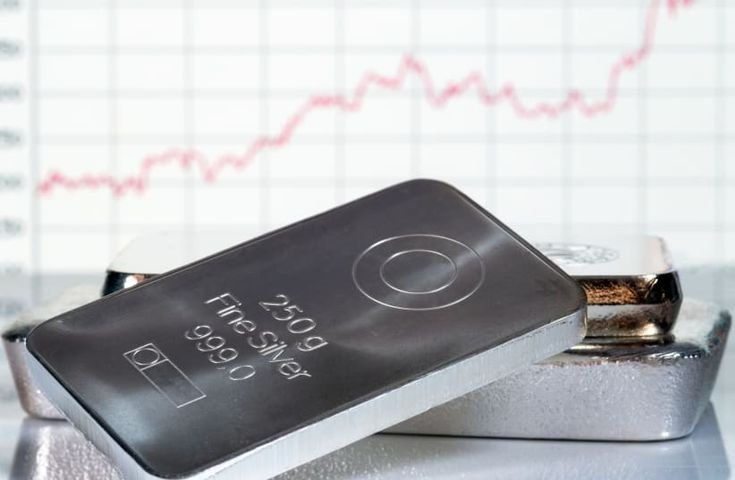
Silver and gold are often mentioned together as precious metals, yet their price behavior is very different. While gold is widely viewed as a stable store of value and a safe-haven asset, silver is known for sharp rallies and steep pullbacks. In percentage terms, silver frequently moves two to three times as much as gold in both directions. This volatility is not accidental—it is the result of structural, economic, and market-specific factors that make silver fundamentally different from gold.
Understanding why silver is more volatile than gold is essential for investors, traders, manufacturers, and anyone using precious metals as part of a portfolio or procurement strategy. This article explains the core reasons behind silver’s higher volatility, using the most recent market structure and data through late 2025 and early 2026.
Silver and Gold: Similar on the Surface, Different at the Core
At first glance, silver and gold share many traits:
-
Both are scarce, naturally occurring metals
-
Both have been used as money historically
-
Both are traded globally and priced in U.S. dollars
-
Both attract investors during periods of uncertainty
However, beneath the surface, their economic roles diverge sharply. Gold is primarily a monetary and investment metal, while silver is a hybrid metal—part monetary asset, part industrial raw material. This dual identity is the single most important reason silver behaves more violently than gold.
1. Dual Demand: Industrial Metal vs Monetary Asset
Gold’s demand profile
Gold demand is dominated by:
-
Investment (bars, coins, ETFs)
-
Central bank reserves
-
Jewelry (largely savings-driven in many cultures)
Industrial use accounts for less than 10% of total gold demand. This means gold prices are relatively insulated from short-term economic slowdowns or industrial cycles.
Silver’s demand profile
Silver demand is split much more evenly:
-
Over 50% of global silver demand now comes from industrial uses
-
The remainder comes from investment, jewelry, and silverware
Major industrial uses include:
-
Solar photovoltaics
-
Electronics and semiconductors
-
Electric vehicles and charging infrastructure
-
Power grids and electrical contacts
-
Medical and chemical applications
Because industrial demand rises and falls with economic activity, silver prices are directly exposed to business cycles in a way gold is not. When growth expectations weaken, silver demand can drop suddenly—even if investors remain cautious or risk-averse.
Result: Silver prices are pulled in two directions at once, amplifying swings.
2. Smaller Market Size Magnifies Every Trade
Market capitalization difference
The total above-ground value of gold is enormous—measured in the tens of trillions of dollars. Silver’s total market value is only a tiny fraction of that.
-
Gold’s market is deep, broad, and highly liquid
-
Silver’s market is much smaller and thinner
Because of this:
-
A relatively small shift in investment flows can move silver prices dramatically
-
The same dollar amount flowing into silver has a much larger percentage impact than it would in gold
Practical effect
When large investors, ETFs, or speculative traders enter or exit silver, the price reacts violently because there is less metal and fewer counterparties to absorb those trades.
Result: Silver reacts faster and more aggressively to changes in sentiment.
3. Thinner Above-Ground Inventories
Gold has been accumulated for thousands of years. Most gold ever mined still exists in vaults, jewelry, or reserves. This creates a massive above-ground stockpile that acts as a buffer.
Silver is very different:
-
A significant portion of silver has been consumed in industrial applications
-
Much of that silver is unrecoverable or uneconomic to recycle
-
Readily available investment-grade silver inventories are relatively limited
When demand spikes—whether from solar manufacturing or investment buying—there is far less slack in the system.
Result: Shortages appear quickly, premiums rise, and prices spike or crash as inventories tighten or loosen.
4. Supply Inelasticity: Byproduct Production
Gold supply
Gold is primarily mined as a primary product. When gold prices rise:
-
Mining companies have incentive to explore and expand
-
Supply responds, albeit slowly
Silver supply
Roughly 70–75% of silver is produced as a byproduct of mining other metals such as:
-
Copper
-
Lead
-
Zinc
This creates a structural problem:
-
Silver supply does not respond directly to silver prices
-
Even if silver prices rise sharply, production only increases if base-metal mining expands
This mismatch between price signals and supply response makes silver more prone to sharp shortages or gluts.
Result: Price must move more aggressively to balance the market.
5. Greater Sensitivity to Economic Cycles
Silver’s heavy industrial usage ties it closely to global growth expectations.
During expansions
-
Manufacturing rises
-
Solar installations increase
-
Electronics and EV production expand
Silver demand surges, often faster than supply can adjust.
During slowdowns or recessions
-
Industrial demand contracts
-
Orders are delayed or canceled
-
Manufacturers reduce inventory
Silver prices can fall rapidly—even if inflation remains high or gold remains stable.
Gold, by contrast, often benefits during slowdowns as investors seek safety.
Result: Silver behaves like a cyclical asset layered on top of a precious metal.
6. Higher Speculative Participation
Silver markets attract a high level of speculative activity for several reasons:
-
Lower price per ounce (psychologically “cheaper” than gold)
-
Higher volatility appeals to traders
-
Smaller futures market means leverage has greater impact
Retail and speculative traders often use:
-
Futures contracts
-
Options
-
Leveraged ETFs
These instruments magnify price swings, especially when traders pile in on momentum or rush to exit during corrections.
Gold markets, while heavily traded, are more dominated by:
-
Central banks
-
Institutional investors
-
Long-term holders
Result: Silver experiences sharper momentum-driven moves.
7. ETF and Investment Flow Effects
Exchange-traded products have transformed both gold and silver markets, but the impact is more dramatic in silver.
-
Large silver ETFs hold hundreds of millions of ounces
-
A surge in ETF buying can remove a meaningful share of available metal
-
ETF outflows can flood the market just as quickly
Because silver inventories are thinner, ETF flows directly affect physical availability, not just paper prices.
Result: Financial flows translate into real-world supply shocks.
8. Volatility During Inflation vs Deflation
Inflationary environments
Silver often outperforms gold during inflation when economic growth is strong, because:
-
Industrial demand rises
-
Investors seek hard assets
This combination can produce explosive rallies.
Deflationary or disinflationary environments
Silver often underperforms gold when:
-
Growth expectations fall
-
Central banks tighten policy
-
Industrial demand weakens
Gold may rise as a safe haven while silver falls on reduced usage.
Result: Silver’s response to inflation is conditional, not linear.
9. Substitution Risk and Thrifting
Silver is critical in many applications, but manufacturers constantly try to reduce usage:
-
Solar panel producers work to lower silver grams per cell
-
Electronics firms redesign components to minimize cost
When prices rise sharply, thrifting accelerates. When prices fall, usage rebounds. This feedback loop adds another layer of volatility absent in gold markets.
Result: Demand elasticity increases price swings.
10. Psychological and Historical Factors
Silver has a history of dramatic booms and busts:
-
Parabolic rallies
-
Sudden collapses
-
Public speculation cycles
This history shapes behavior:
-
Traders expect volatility
-
Momentum strategies dominate
-
Fear and greed cycles are amplified
Gold’s reputation as “boring but reliable” attracts steadier capital.
Result: Self-reinforcing volatility in silver markets.
Recent Market Context (2025–Early 2026)
In the most recent period:
-
Industrial silver demand reached record levels, led by solar and electrification
-
Mine supply remained constrained
-
Above-ground inventories declined
-
Investment flows surged in waves
This combination created periods of sharp upside followed by rapid corrections—classic silver behavior. Gold, while strong, moved in a much more measured fashion.
How Investors Should Think About Silver’s Volatility
Silver is not a substitute for gold
Silver should not be treated as a simple replacement for gold. It serves a different role.
Portfolio implications
-
Silver can enhance returns during growth and inflationary upswings
-
Silver can increase drawdowns during recessions or tightening cycles
-
Position sizing matters more for silver than gold
Many investors allocate smaller weights to silver and rebalance more frequently.
Comparing Volatility Directly
| Factor | Silver | Gold |
|---|---|---|
| Industrial demand share | High | Low |
| Market size | Small | Very large |
| Inventory buffer | Thin | Deep |
| Supply response | Inelastic | Moderately elastic |
| Speculative activity | High | Moderate |
| Crisis behavior | Mixed | Strong safe haven |
| Typical volatility | High | Lower |
When Silver’s Volatility Becomes an Advantage
Silver’s volatility is not always a drawback.
It can be beneficial when:
-
Economic growth accelerates
-
Energy transition spending increases
-
Inflation coincides with strong demand
-
Momentum favors hard assets
In such periods, silver often outperforms gold by a wide margin.
When Volatility Becomes a Risk
Silver’s volatility becomes problematic when:
-
Growth slows abruptly
-
Monetary policy tightens aggressively
-
Speculative positions unwind
-
Industrial demand weakens
In these conditions, silver can fall faster and further than gold.
Final Thoughts
Silver is more volatile than gold because it lives in two worlds at once. It is both an industrial input essential to modern technology and a monetary asset traded for protection and speculation. This dual identity exposes silver to economic cycles, inventory constraints, and investor psychology in a way gold largely avoids.
Gold’s stability comes from its singular role as a store of value. Silver’s volatility comes from its usefulness.
For investors, this means:
-
Gold is better suited for stability and insurance
-
Silver is better suited for growth-linked exposure and tactical opportunities
Understanding why silver moves the way it does allows investors to use it intentionally—rather than being surprised by its swings. When treated with respect and sized appropriately, silver’s volatility can be a feature, not a flaw, in a diversified portfolio.
ALSO READ: Dividend Investing for Wealth Stability


