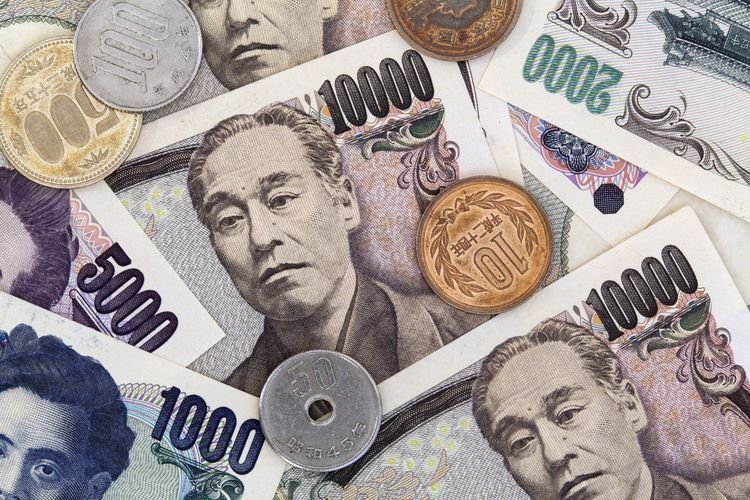
On February 24, 2026, the Japanese yen lost ground as Asian markets reopened amid renewed tariff turmoil and shifting global risk sentiment. Currency traders reacted quickly to fresh trade tensions and repositioned portfolios toward the US dollar. The move pushed USD/JPY higher and injected volatility into broader foreign exchange markets across Asia.
The session reflected how quickly geopolitical headlines can reshape currency flows. Investors who sought clarity on trade policy instead faced renewed uncertainty. That uncertainty triggered sharp moves in major currency pairs and reinforced the dollar’s near-term strength against the yen.
Tariff Headlines Stir Risk Sentiment
Fresh developments in global trade policy drove the initial move. Market participants responded to revived tariff tensions involving the United States and key trading partners. Those headlines revived concerns about supply chains, export demand, and corporate earnings across Asia.
Currency markets tend to react swiftly to trade shocks because tariffs directly influence cross-border flows, inflation expectations, and central bank strategy. When investors anticipate slower global trade, they adjust exposure to export-oriented economies such as Japan. That adjustment often leads to rapid currency repositioning.
Traders described the session as headline-driven. As soon as markets reopened in Asia, dollar buying intensified. The yen, which many investors view as a safe-haven currency during crises, did not attract sustained inflows this time. Instead, the dollar captured stronger demand.
Dollar Gains Momentum Against Yen
The US dollar firmed against the yen during early Asian trading hours. USD/JPY climbed as traders increased long-dollar positions and unwound prior yen exposure. The pair’s movement reflected both global dynamics and domestic monetary expectations.
The dollar benefited from resilient US economic data and relatively higher Treasury yields. Higher yields often support the greenback because they increase the return investors can earn on dollar-denominated assets. As yields held firm, dollar demand strengthened.
At the same time, the yen faced structural headwinds. Japan continues to maintain accommodative monetary conditions compared with the United States. That policy divergence influences capital allocation decisions. Investors seeking yield frequently prefer dollar assets over yen assets when risk sentiment stabilizes or shifts in favor of the United States.
Asian FX Markets React
The yen’s decline did not occur in isolation. Other Asian currencies experienced volatility as traders evaluated trade risks and regional growth prospects. Export-linked currencies felt pressure as investors weighed the possibility of disrupted trade flows.
Equity markets across Asia opened with mixed performance. Some indices declined as investors digested tariff developments. Currency traders often monitor equity sentiment because capital flows between stocks and currencies can reinforce short-term moves. When equities weaken, currencies tied to growth narratives sometimes follow.
In this case, the yen’s role as a traditional safe haven appeared less pronounced. Instead of flocking to the Japanese currency, many investors favored the dollar. That behavior highlighted a shift in current market psychology. Traders focused more on yield and policy divergence than on historical safe-haven patterns.
Bank of Japan in Focus
Market participants also examined signals from the Bank of Japan. The central bank’s policy stance remains a key factor for yen direction. Although the Bank of Japan has adjusted certain aspects of yield curve control in recent years, it still maintains relatively loose financial conditions compared with other major central banks.
Investors closely watch comments from Bank of Japan officials for clues about future tightening steps. Any hint of policy normalization could influence the yen’s trajectory. However, traders did not identify immediate signals of aggressive tightening during this session. That perception reduced incentives to accumulate yen positions.
Policy divergence between the Bank of Japan and the US Federal Reserve continues to shape medium-term trends. When markets expect tighter US policy relative to Japan, USD/JPY often trends upward. The February 24 move aligned with that broader narrative.
Safe-Haven Dynamics Shift
Historically, global turmoil often strengthens the yen. Investors frequently repatriate capital to Japan during crises, which can boost the currency. However, currency markets evolve with shifting macroeconomic frameworks.
During this episode, traders appeared to prioritize liquidity and yield considerations. The US dollar retains deep liquidity and offers competitive yields relative to Japan. That combination supported the greenback even as tariff headlines introduced uncertainty.
Some analysts argued that safe-haven flows have become more fragmented in recent years. Gold, US Treasuries, and even certain commodity currencies can attract demand depending on the nature of the shock. In this instance, the dollar captured stronger inflows than the yen.
Technical Levels and Market Positioning
Technical analysis also influenced trading behavior. USD/JPY approached key resistance levels that chart watchers monitor closely. When the pair broke above short-term technical barriers, momentum traders added to long-dollar positions.
Stop-loss orders likely accelerated the move. As USD/JPY climbed, traders who had bet on yen strength exited positions, which added fuel to the rally. Such dynamics often amplify intraday volatility.
Market positioning data suggested that speculative accounts had previously increased yen exposure during earlier bouts of global uncertainty. When tariff turmoil failed to generate sustained yen demand, those positions unwound quickly. That unwinding contributed to the yen’s slide.
Impact on Japanese Economy
Currency fluctuations directly influence Japan’s economic outlook. A weaker yen can support exporters by making Japanese goods more competitive abroad. Major corporations in the automotive and electronics sectors often benefit from currency depreciation.
However, a weaker yen can also raise import costs, particularly for energy and raw materials. Japan relies heavily on imported fuel. When the yen declines, companies face higher input costs, which can pressure profit margins and consumer prices.
Policymakers must balance these competing forces. The government and the Bank of Japan monitor currency moves carefully because excessive volatility can disrupt business planning and financial stability.
What Traders Watch Next
Traders now focus on several key drivers:
1. Trade Policy Developments
Any clarification or escalation in tariff negotiations will likely move currency markets again. Clear agreements could calm volatility. Fresh disputes could intensify dollar demand.
2. US Economic Data
Strong US employment or inflation figures could reinforce expectations of tighter monetary policy. That scenario would likely support the dollar against the yen.
3. Bank of Japan Communication
Signals about future rate adjustments or bond-buying changes could alter market expectations. Even subtle shifts in tone can influence yen positioning.
4. Global Risk Appetite
Equity market performance and broader investor sentiment will continue to shape currency flows. If risk appetite deteriorates sharply, the yen could regain safe-haven traction.
Conclusion
On February 24, 2026, the Japanese yen weakened as tariff turmoil unsettled markets and strengthened the US dollar. Traders reacted swiftly to trade headlines, policy divergence, and yield dynamics. USD/JPY climbed as investors favored dollar exposure over traditional yen safe-haven positions.
The session underscored how modern currency markets respond to a blend of geopolitics, monetary policy, and technical factors. While the yen retains its historical role in times of crisis, shifting investor preferences and yield considerations now play a decisive role in shaping short-term direction.
Currency traders will continue to track trade negotiations, central bank signals, and global risk trends. Each new development could reshape the balance between the yen and the dollar in the days ahead.
Also Read – How People Are Using AI Chatbots to Scam People