The Indian rupee reached a historic low against the US dollar on March 4, 2026, as global tensions and economic pressures shook currency markets. Traders across financial centers reacted quickly to escalating geopolitical risks and rising crude oil prices, which pushed investors toward safe-haven assets such as the US dollar. The rupee’s sharp decline highlights growing stress in emerging market currencies and raises concerns about India’s external balance.
Currency markets witnessed heightened volatility as investors evaluated multiple global risks. Rising energy costs, capital outflows, and stronger dollar demand created strong downward pressure on the rupee. Market participants now focus on potential intervention by the Reserve Bank of India (RBI) to stabilize the currency and limit further depreciation.
Rupee Falls to Historic Low
The Indian rupee dropped to approximately ₹92.30 against the US dollar during early trading on March 4, marking the weakest level in its history. Foreign exchange traders reported heavy demand for the dollar as investors rushed to reduce risk exposure.
Currency dealers noticed strong selling pressure on the rupee in both onshore and offshore markets. Many traders increased their dollar holdings after news about rising tensions in the Middle East triggered uncertainty across global markets.
Investors typically move capital into safe-haven assets during geopolitical conflicts. The US dollar benefits strongly from this behavior because global investors view the currency as a reliable store of value. As demand for the dollar increased, emerging market currencies such as the rupee lost ground quickly.
Market analysts observed that the rupee had already faced moderate pressure in previous weeks. However, geopolitical shocks accelerated the decline and pushed the currency toward a new record low.
Geopolitical Tensions Shake Global Markets
Escalating tensions in the Middle East played a major role in the rupee’s decline. News of expanding conflict raised fears about disruptions in global oil supply and regional stability. Financial markets reacted immediately as traders priced in the potential impact on energy markets and international trade.
Investors often respond to geopolitical risk by reducing exposure to emerging markets. Many funds shift their capital toward assets that offer greater stability during uncertain periods. The US dollar, US Treasury bonds, and gold often receive strong inflows during such episodes.
Currency traders also worry about sudden spikes in commodity prices when geopolitical risks threaten energy supply chains. Oil price shocks create ripple effects across financial markets, particularly for countries that rely heavily on imported energy.
India imports a large share of its crude oil needs. As a result, any increase in oil prices increases the country’s import bill and puts pressure on its currency.
Rising Oil Prices Add Pressure
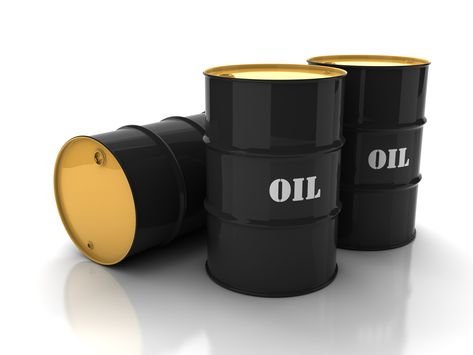
Oil prices surged sharply following news about the Middle East conflict. Brent crude recorded a strong rally as traders anticipated possible supply disruptions. The sudden price increase created additional stress for the Indian economy and its currency.
India ranks among the world’s largest oil importers. Higher crude prices raise the cost of energy imports and widen the country’s trade deficit. A larger deficit increases demand for foreign currency, particularly US dollars, because importers must pay for oil purchases in dollars.
This demand for dollars places further downward pressure on the rupee. Energy companies, refiners, and large importers enter the forex market to secure dollars for payments. The increased demand reduces the rupee’s value against the dollar.
Currency strategists believe oil price movements will remain a key factor for the rupee in the coming weeks. Sustained high oil prices could create additional volatility in the foreign exchange market.
Strong Dollar Intensifies Currency Pressure
The global surge in US dollar demand amplified the rupee’s weakness. Investors across international markets increased their dollar holdings after geopolitical risks intensified. This surge strengthened the dollar against multiple global currencies.
The dollar index, which measures the US currency against a basket of major currencies, climbed significantly during the trading session. A stronger dollar usually creates challenges for emerging market currencies because investors shift capital toward dollar-denominated assets.
Higher US interest rates also support the dollar’s strength. Investors often move funds into US financial markets when interest rates remain relatively high. This capital movement increases dollar demand and weakens other currencies.
For India, a stronger dollar raises the cost of imports and external debt payments. Companies that hold dollar-denominated liabilities face higher repayment costs when the rupee weakens.
RBI Intervention Expectations
Market participants now watch the Reserve Bank of India closely. Traders expect the central bank to step into the foreign exchange market if the rupee’s decline accelerates further.
The RBI maintains large foreign exchange reserves and often uses them to stabilize the currency during periods of volatility. The central bank can sell dollars from its reserves and buy rupees to reduce pressure on the domestic currency.
Currency traders believe such intervention could slow the pace of depreciation. However, global market forces still influence the rupee’s direction. Sustained geopolitical tensions and strong dollar demand could limit the effectiveness of short-term intervention.
Financial institutions also expect the RBI to monitor liquidity conditions and capital flows carefully. Policymakers will likely assess the broader economic implications before taking major action.
Impact on Businesses and Investors
The rupee’s record low carries significant implications for businesses and investors across India. Import-dependent industries face higher costs when the currency weakens. Companies that rely on imported raw materials, energy, or technology may experience rising expenses.
However, exporters could benefit from a weaker rupee. Companies that earn revenue in foreign currencies receive higher rupee earnings when they convert export income. Sectors such as information technology, pharmaceuticals, and textiles often gain from currency depreciation.
Stock market investors also track currency movements closely. A weaker rupee can influence inflation expectations and corporate profitability. Rising import costs may push inflation higher, which could affect monetary policy decisions.
Foreign investors may adopt a cautious approach during periods of currency volatility. Capital outflows from equity or bond markets could create additional pressure on the rupee if uncertainty continues.
Outlook for the Rupee
Analysts expect the rupee to remain volatile in the near term as global developments shape currency markets. Geopolitical tensions, oil prices, and dollar strength will likely drive short-term fluctuations.
If tensions ease and oil prices stabilize, the rupee could recover some lost ground. However, prolonged geopolitical risks could keep investors cautious toward emerging market currencies.
Domestic economic fundamentals will also play an important role. Strong economic growth, stable inflation, and consistent capital inflows could support the rupee over time.
For now, traders continue to monitor global developments closely. Currency markets react quickly to geopolitical events, and the rupee’s trajectory will depend largely on how these external risks evolve in the coming weeks.
Conclusion
The Indian rupee’s fall to a record low reflects the powerful influence of global events on currency markets. Rising geopolitical tensions, surging oil prices, and strong dollar demand combined to create intense pressure on the currency.
Investors now focus on the Reserve Bank of India’s response and the broader direction of global markets. While the rupee faces short-term volatility, economic fundamentals and policy actions will shape its longer-term stability.
The coming weeks will prove crucial for the currency as traders assess geopolitical developments, energy prices, and central bank strategies across global financial markets.
Also Read – The Future of Insolvent Crypto Lending Platforms