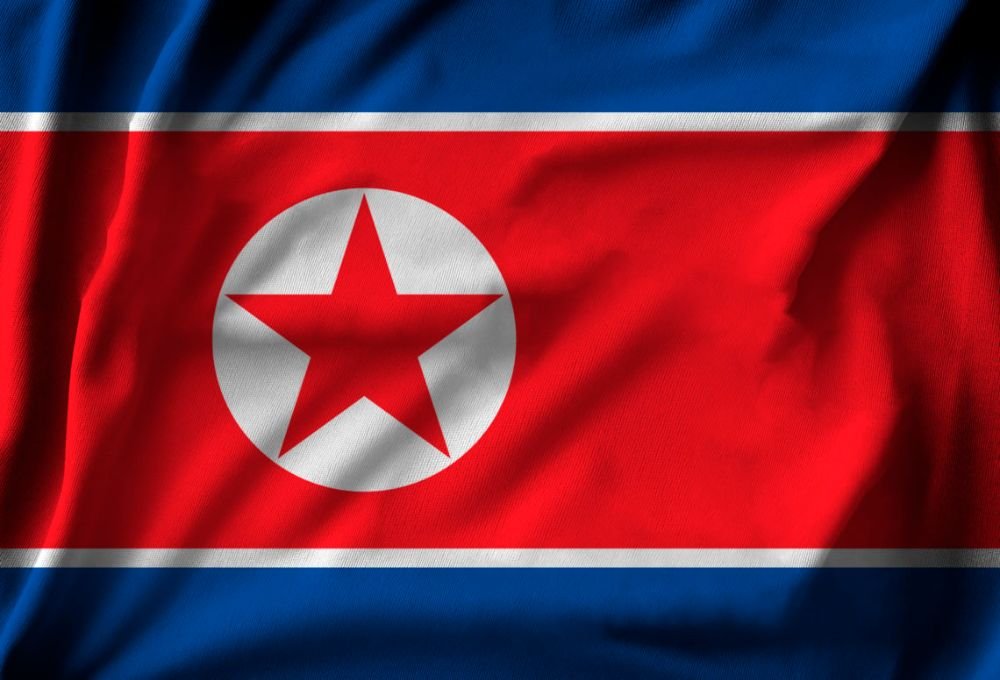
North Korea sharply criticized the latest military exercises conducted by the United States and South Korea. Officials in Pyongyang accused the allies of escalating tensions and threatening regional stability through the large-scale Freedom Shield drills. The exercises began in early March 2026 and involve thousands of troops, advanced military technology, and coordinated defense simulations.
Kim Yo Jong, the influential sister of North Korean leader Kim Jong Un, delivered a strong statement condemning the exercises. She warned that the drills represent a direct provocation against North Korea and undermine peace efforts in the region. Her comments highlight the fragile security situation on the Korean Peninsula and signal another period of heightened geopolitical tension in Northeast Asia.
The Freedom Shield exercises represent one of the largest joint military drills conducted annually by the United States and South Korea. Military planners designed the drills to strengthen coordination between allied forces and prepare for potential security threats from North Korea. However, Pyongyang views these exercises as rehearsal for invasion.
What the Freedom Shield exercises involve
The Freedom Shield drills focus on modern warfare scenarios that combine cyber operations, missile defense, air operations, and ground combat readiness. Military officials from the United States and South Korea aim to strengthen joint command structures and improve rapid response capabilities.
The 2026 exercise includes approximately 18,000 South Korean troops and thousands of American personnel stationed in the region. Participants conduct simulations that address missile threats, maritime security challenges, and coordinated defense strategies. Military leaders argue that these drills help deter potential aggression and protect regional allies.
Advanced surveillance systems, fighter aircraft, and missile defense technology play a central role in the exercises. Command centers also run digital war-gaming simulations that test response strategies during hypothetical crisis scenarios. These simulations allow allied forces to evaluate weaknesses and strengthen operational coordination.
Despite the defensive goals stated by Washington and Seoul, North Korea consistently views the drills as aggressive military preparation. Pyongyang often responds with strong rhetoric and occasionally conducts missile tests during or shortly after such exercises.
Kim Yo Jong issues strong warning
Kim Yo Jong delivered one of the most direct warnings against the exercises. She described the drills as reckless actions that threaten peace on the Korean Peninsula. Her statement emphasized that North Korea will not ignore what it considers hostile military activities.
She warned that the continued presence of American forces and joint military exercises increases the risk of confrontation. According to her remarks, the drills create an environment that forces North Korea to strengthen its own military readiness.
Kim Yo Jong also criticized the United States for what she described as double standards. She argued that Washington labels North Korean weapons programs as destabilizing while conducting large military exercises near North Korea’s borders.
Her message carried political weight because she plays a key role in North Korea’s strategic communication. Analysts often view her statements as signals that reflect the leadership’s position and potential future actions.
United States and South Korea defend the drills
Officials from Washington and Seoul strongly defended the Freedom Shield exercises. Military leaders insist that the drills remain purely defensive and focus on protecting South Korea from potential threats.
The United States maintains nearly 28,500 troops in South Korea as part of a long-standing security alliance that dates back to the Korean War. American and South Korean officials argue that strong military coordination deters aggression and maintains stability in the region.
South Korean defense officials emphasized that North Korea continues to develop advanced missile systems and nuclear weapons capabilities. In their view, the joint exercises strengthen defensive readiness and ensure rapid response during crises.
Military planners also highlight the evolving nature of security threats. Cyber warfare, drone technology, and long-range missile systems require updated training and integrated defense strategies. The Freedom Shield exercises provide an opportunity to test these capabilities.
Officials from both countries insist that the drills do not target regime change or invasion. They describe the exercises as routine defensive preparations required for maintaining deterrence.
Strategic importance of the Korean Peninsula
The Korean Peninsula holds major geopolitical significance in East Asia. The region sits at the intersection of major powers including China, Russia, Japan, and the United States. Security developments in Korea often influence broader regional stability.
North Korea’s nuclear weapons program remains the most critical factor shaping security calculations in the region. Over the past decade, Pyongyang has conducted numerous missile tests and nuclear experiments that raised concerns among neighboring countries.
South Korea and Japan rely heavily on the American security umbrella to counter potential threats from North Korea. Joint military exercises reinforce that alliance and demonstrate collective defense capabilities.
China also plays an important role in regional dynamics. Beijing supports stability on the peninsula and encourages dialogue but opposes actions that increase military tension. Chinese leaders often criticize large military exercises near their strategic neighborhood.
Russia also maintains diplomatic and strategic interests in Northeast Asia. Ongoing global tensions and shifting alliances have increased the complexity of regional security dynamics.
History of military drills and North Korean responses
Joint military exercises between the United States and South Korea have taken place for decades. These drills began after the Korean War armistice in 1953 and evolved into large-scale training events over time.
North Korea has repeatedly criticized these exercises as hostile acts. Pyongyang often issues strong warnings whenever the drills begin. In several cases, North Korea responded with missile launches or military demonstrations.
Diplomatic negotiations sometimes led to temporary reductions in the scale of exercises. For example, during periods of diplomatic engagement in the late 2010s, the United States and South Korea reduced certain drills to encourage dialogue with North Korea.
However, tensions increased again as diplomatic talks stalled and North Korea continued developing advanced missile technologies. Military planners resumed full-scale exercises to maintain readiness and deterrence.
The current dispute over the Freedom Shield drills reflects this long pattern of tension between military preparedness and diplomatic concerns.
Global implications of rising tensions
The latest dispute between North Korea and the US-South Korea alliance has implications beyond the Korean Peninsula. Rising tensions in Northeast Asia influence global security calculations and international diplomacy.
Countries across the region closely monitor developments because any escalation could affect trade routes, economic stability, and regional security arrangements. Japan, in particular, watches North Korean missile developments with growing concern.
The situation also intersects with broader geopolitical competition among major powers. Strategic rivalry between the United States and China adds complexity to security dynamics in East Asia.
Military exercises, political rhetoric, and missile tests can quickly escalate tensions if communication channels fail. Diplomatic engagement remains critical for preventing misunderstandings and reducing risks of confrontation.
Outlook for the coming months
The coming months will likely determine whether tensions continue to rise or move toward dialogue. Military exercises will conclude, but political reactions may continue for weeks.
North Korea may respond with demonstrations of military capability, including missile tests or military drills. Such actions often follow major joint exercises conducted by the United States and South Korea.
Diplomatic channels remain open, but progress toward negotiations remains uncertain. Regional powers continue to call for restraint and dialogue to avoid escalation.
The Korean Peninsula has experienced cycles of tension and diplomacy for decades. The latest dispute over the Freedom Shield exercises shows how quickly security concerns can dominate the regional agenda.
Future stability will depend on careful diplomacy, transparent communication, and responsible decision-making by all sides involved.
Also Read – Coinbase Expands Derivatives With Europe Perpetual Futures