Iran has sharply increased attacks on transport and energy infrastructure across the Gulf region, triggering alarm among regional governments, global energy markets, and international security experts. The escalation has intensified tensions between Iran and its adversaries, particularly the United States and several Gulf states. Governments across the Middle East now face rising pressure to strengthen security while global powers monitor the situation closely.
The attacks have targeted shipping routes, logistics facilities, and transport networks that support one of the most important energy corridors in the world. Leaders across the region now fear a prolonged geopolitical crisis that could disrupt global trade and fuel markets.
Rising Tensions Across the Gulf
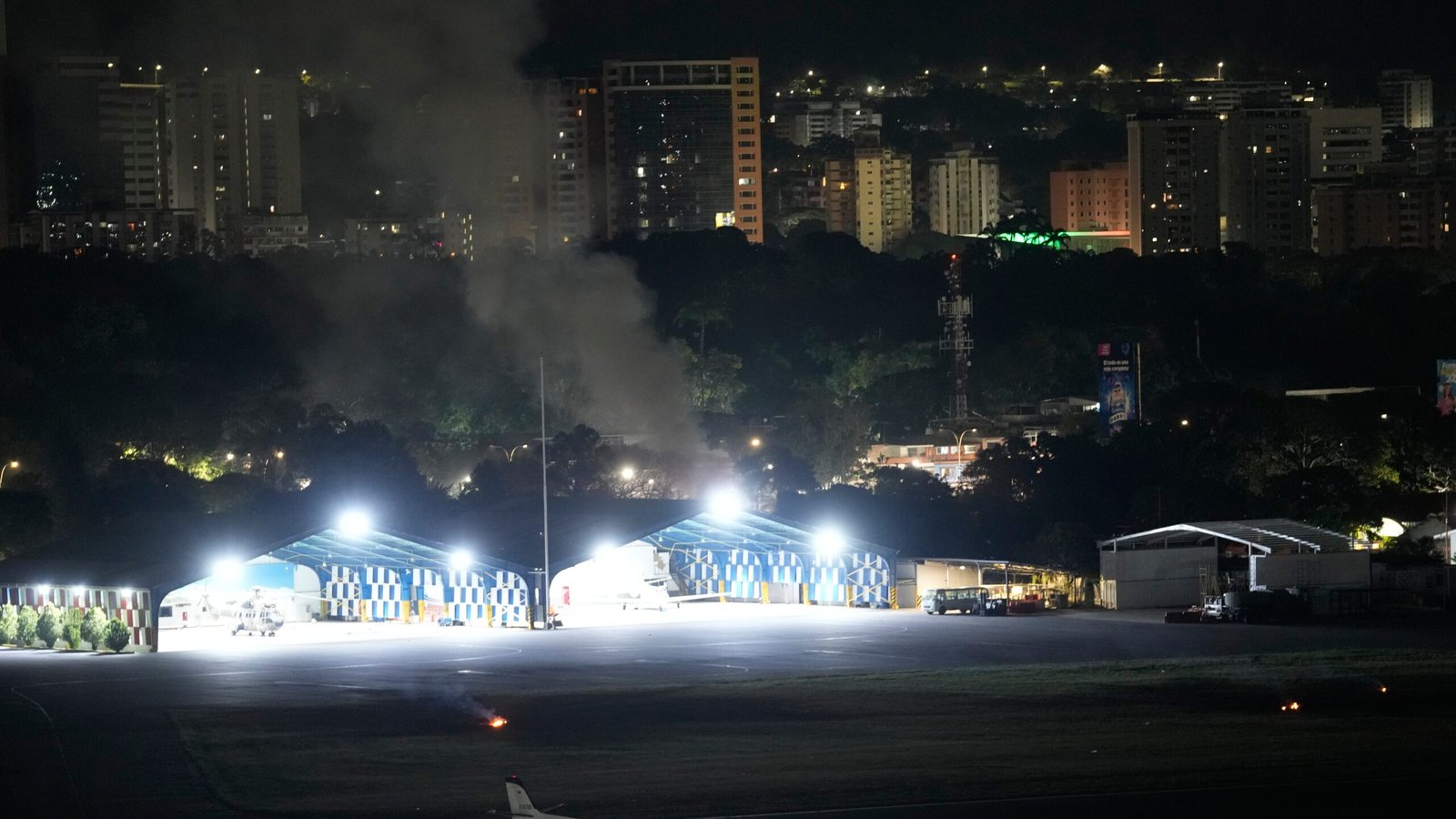
Iran’s latest actions mark a significant escalation in an already fragile regional security environment. Military analysts and intelligence officials have reported a series of coordinated strikes that targeted infrastructure linked to shipping, logistics, and energy transport.
Authorities in several Gulf countries have confirmed damage to critical facilities. The attacks have affected ports, oil transport routes, and infrastructure that supports the flow of goods across the region.
These developments have heightened tensions between Iran and countries that rely on stable Gulf trade routes. Regional governments have responded with increased surveillance, stronger security patrols, and rapid diplomatic consultations with allies.
Many analysts believe Iran intends to send a strong geopolitical signal through these attacks. Tehran aims to demonstrate its ability to influence maritime and energy security in the Gulf region.
Strategic Importance of Gulf Infrastructure
The Gulf region plays a crucial role in global energy supply and international trade. Major shipping routes connect oil producers in the Middle East with markets in Asia, Europe, and North America.
Energy companies rely heavily on these routes to transport crude oil, liquefied natural gas, and refined fuels. Any disruption in this corridor quickly affects global commodity markets.
Several of the targeted locations support logistics operations that keep energy exports moving smoothly. Ports, shipping terminals, and transport networks serve as the backbone of Gulf trade infrastructure.
Iran understands the strategic importance of these facilities. By targeting them, Tehran has demonstrated its ability to influence global economic stability.
The attacks have therefore raised serious concerns among policymakers and investors worldwide.
Impact on Global Oil Markets
Energy markets have reacted quickly to the escalating tensions. Oil prices surged as traders anticipated possible disruptions in supply.
Many analysts believe that instability in the Gulf could push prices significantly higher if attacks continue or if military confrontation expands.
Oil traders closely monitor the security of major shipping routes such as those that connect Gulf exporters to international markets. Even small disruptions can create supply fears and price volatility.
Energy-importing nations now face uncertainty about future supply reliability. Governments in Asia and Europe have already begun reviewing contingency plans in case tensions worsen.
The crisis highlights how geopolitical events in the Gulf continue to shape global energy markets.
Regional Governments Strengthen Security
Gulf states have moved quickly to reinforce security measures around critical infrastructure. Authorities have increased naval patrols, enhanced surveillance systems, and tightened security near ports and transport hubs.
Military forces across the region have also raised alert levels. Governments have coordinated with international partners to protect shipping lanes and critical facilities.
Security experts believe that regional leaders want to prevent further escalation while maintaining stability in global trade routes.
Several countries have also initiated diplomatic consultations with Western allies. These discussions focus on strengthening collective security and deterring further attacks.
The situation has therefore pushed regional governments to strengthen both military readiness and diplomatic cooperation.
Global Powers Monitor the Situation
Major global powers have responded with concern. Governments in the United States, Europe, and Asia have urged restraint while closely monitoring developments.
Diplomatic channels remain active as international leaders attempt to prevent further escalation. Officials continue to emphasize the importance of maintaining freedom of navigation and protecting global energy infrastructure.
Security analysts believe that continued attacks could draw stronger responses from international coalitions. Any direct military confrontation would significantly increase geopolitical instability.
Global powers therefore face a delicate challenge. Leaders must balance deterrence with diplomacy while trying to prevent a wider conflict.
Economic and Trade Implications
The Gulf region supports one of the busiest trade corridors in the world. Shipping companies transport massive volumes of energy products, consumer goods, and industrial materials through these waters every day.
Disruptions to this corridor could affect supply chains across multiple industries.
Shipping firms already face rising insurance costs and security risks. Logistics companies have begun evaluating alternative routes and contingency plans.
These developments could increase transportation costs and delay deliveries across global markets.
Economists warn that prolonged instability could amplify inflationary pressures and weaken global economic growth.
The attacks therefore carry consequences that extend far beyond the Middle East.
Future Outlook for Regional Stability
The current escalation has introduced new uncertainty into an already complex geopolitical landscape. Iran’s actions have signaled its willingness to challenge regional rivals and influence strategic infrastructure.
Regional governments must now decide how to respond without triggering a wider conflict.
Diplomatic negotiations could reduce tensions if all parties show willingness to de-escalate. However, continued attacks could deepen confrontation and raise the risk of military escalation.
Security experts expect the coming weeks to prove critical. Regional stability will depend on diplomatic engagement, effective deterrence, and international cooperation.
The Gulf region remains one of the world’s most sensitive geopolitical arenas. Recent developments have reminded global leaders that instability in this region can quickly affect energy markets, international trade, and global security.
As tensions continue to evolve, policymakers and businesses around the world will watch closely. Decisions made in the coming days could shape the future of regional stability and global economic security.
Also Read – Dollar Strength and Its Impact on Emerging Markets