Energy markets reacted sharply after attacks targeted critical gas infrastructure in the Middle East. Traders and investors immediately factored in the risk of supply disruptions. This reaction pushed energy prices higher and injected fresh uncertainty into global financial systems.
Market participants tracked developments closely as reports confirmed damage to key facilities linked to liquefied natural gas supply. These facilities play a vital role in maintaining energy flows across regions, especially in Europe and Asia. Any disruption at such nodes creates widespread consequences.
The attacks introduced a new layer of geopolitical risk. Financial markets responded quickly as uncertainty spread across asset classes.
Gas Prices Jump Up to 30 Percent
European gas prices surged by as much as 30 percent following the attacks. Traders rushed to secure supply, which intensified price movements. This spike reflected immediate fears of shortages and long-term supply instability.
Gas plays a crucial role in electricity generation, heating, and industrial production. Rising prices directly impact operational costs across sectors. Businesses faced higher expenses within hours of the price surge.
The sudden increase also placed pressure on governments to secure alternative supply sources. Energy-importing nations faced the greatest challenges as they scrambled to stabilize domestic markets.
Oil Prices Rise Alongside Gas Markets
Oil markets moved in tandem with gas prices. Crude oil prices climbed as traders anticipated broader disruptions in energy supply chains. The interconnected nature of energy markets amplified the impact of the attacks.
Higher oil prices reinforced inflation concerns already present in global economies. Transportation, manufacturing, and logistics sectors depend heavily on oil. Rising costs in these sectors contribute directly to overall price increases.
Energy traders remained cautious as volatility increased across commodity markets.
Inflation Fears Intensify Worldwide
The surge in energy prices strengthened inflation concerns across major economies. Energy costs influence almost every part of economic activity. As prices rise, businesses increase the cost of goods and services.
Consumers face higher fuel, electricity, and transportation costs. This situation reduces purchasing power and affects spending patterns. Inflationary pressure spreads quickly across sectors once energy prices rise.
Central banks face difficult decisions in such an environment. Policymakers must balance inflation control with economic growth. Rising energy costs complicate monetary policy strategies.
European Economies Face Higher Risk
European economies face heightened vulnerability due to dependence on imported energy. The region relies heavily on external gas supplies for industrial operations and residential use. Any disruption creates immediate economic stress.
Industries such as manufacturing, chemicals, and heavy engineering rely on stable energy supply. Rising prices threaten production efficiency and profit margins. Companies may reduce output or pass costs to consumers.
Governments in Europe may need to introduce support measures to stabilize energy markets. Such measures could include subsidies, price controls, or strategic reserves.
Market Volatility Spreads Across Asset Classes
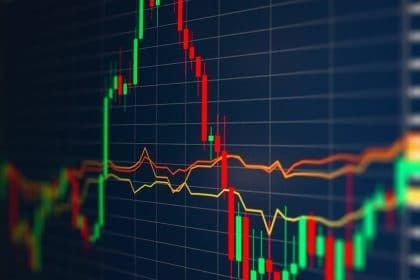
Financial markets experienced increased volatility following the energy price surge. Equity markets showed signs of weakness as investors reassessed risk. Rising costs and uncertainty affected corporate earnings expectations.
Investors shifted toward defensive sectors such as energy and utilities. These sectors benefit from higher prices and stable demand. Meanwhile, growth-oriented sectors faced selling pressure.
Commodity markets also experienced sharp price swings. Traders responded quickly to news updates, which created rapid fluctuations in pricing.
Supply Chain Risks Add to Economic Pressure
Energy disruptions often trigger broader supply chain challenges. Transportation networks depend heavily on fuel availability and pricing. Higher costs lead to delays and increased expenses in logistics.
Industries that rely on global supply chains face additional risks. Rising shipping costs and uncertain delivery timelines affect production schedules. Businesses must adapt quickly to changing conditions.
These disruptions create a ripple effect across economies. Small changes in energy availability can produce large-scale consequences.
Safe-Haven Assets Attract Investor Attention
Investors moved toward safe-haven assets as uncertainty increased. Gold prices gained momentum as traders sought protection against inflation and geopolitical risk. The metal’s performance reflected broader market sentiment.
Government bonds also attracted interest despite rising yields. Investors viewed these instruments as relatively stable during periods of uncertainty. This shift highlighted a defensive approach to investment.
Currency markets showed similar trends. Stable currencies gained strength, while risk-sensitive currencies faced pressure.
Corporate Sector Faces Uneven Impact
The corporate sector experienced mixed outcomes from the energy shock. Energy companies benefited from higher prices and improved revenue expectations. Their stocks showed resilience compared to the broader market.
Other sectors faced challenges. Manufacturing companies dealt with higher production costs. Consumer-facing businesses encountered reduced demand as expenses increased.
Transportation and logistics firms faced significant pressure due to rising fuel costs. These companies must adjust pricing strategies to maintain profitability.
Policy Responses Become Critical
Government and central bank responses will play a key role in shaping future outcomes. Policymakers must address rising energy costs while maintaining economic stability. Decisions regarding subsidies, interest rates, and fiscal measures will influence market direction.
Central banks may adopt cautious approaches to interest rate adjustments. Inflation concerns may limit the ability to ease monetary policy. This situation creates a complex policy environment.
Energy security will also become a priority. Governments may invest in alternative energy sources and diversify supply chains to reduce dependence on vulnerable regions.
Outlook Remains Uncertain
The global outlook remains uncertain as energy markets react to ongoing developments. Future price movements will depend on the extent of supply disruptions and geopolitical stability. Markets will continue to respond quickly to new information.
Sustained high energy prices could slow economic growth and increase inflationary pressure. Businesses and investors must adapt to changing conditions and manage risks effectively.
Conclusion
The recent attacks on gas infrastructure have triggered a significant energy shock with global consequences. Gas prices surged, oil markets strengthened, and inflation concerns intensified. Financial markets responded with increased volatility and cautious sentiment.
This situation highlights the critical role of energy in global economic stability. As events continue to unfold, energy prices and geopolitical developments will remain central to market behavior.
Also Read – Fear vs Greed: Psychology of Market Cycles