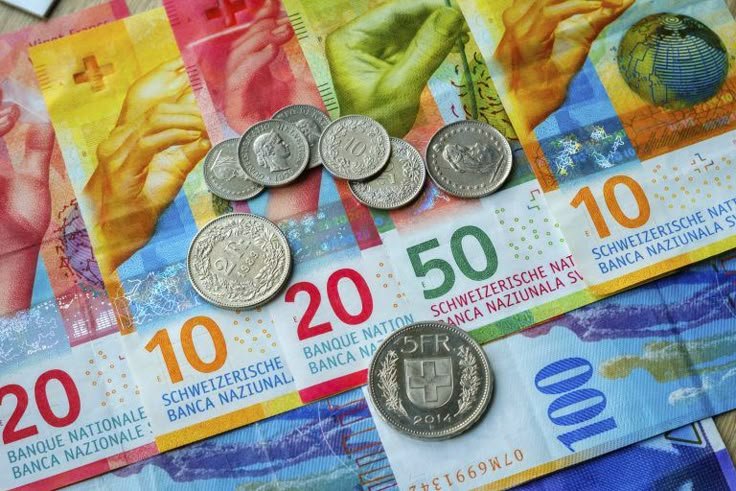
The Swiss National Bank (SNB) faces mounting pressure as the Swiss franc strengthens rapidly in 2026. Investors have turned to the franc as a safe-haven currency amid rising geopolitical tensions and economic uncertainty. This surge has placed Switzerland’s central bank in a difficult position as it evaluates whether to intervene and manage the currency’s strength.
Global markets have experienced heightened volatility due to ongoing conflicts and energy disruptions. In this environment, the Swiss franc has emerged as a preferred destination for capital preservation. This trend has intensified over recent weeks and continues to influence forex markets worldwide.
Safe-Haven Demand Drives the Swiss Franc
Investors often seek stability during periods of uncertainty. The Swiss franc has long held a reputation as one of the most reliable safe-haven currencies. Switzerland’s strong financial system, political neutrality, and stable economy make it attractive during times of global stress.
Recent geopolitical developments have triggered a surge in demand for safe assets. Investors have moved funds away from riskier currencies and into the Swiss franc. This shift has driven the currency higher against major counterparts such as the US dollar and the euro.
Market participants have responded quickly to these developments. Currency traders have increased positions in the franc, anticipating continued demand. This momentum has further strengthened the currency.
Geopolitical Tensions Fuel Market Volatility
Ongoing conflicts in the Middle East have created significant uncertainty in global markets. Energy prices have risen sharply, and supply disruptions have added to economic instability. These conditions have increased risk aversion among investors.
As uncertainty grows, investors prioritize capital protection over higher returns. This mindset has encouraged flows into safe-haven assets, including the Swiss franc. The currency’s appreciation reflects these broader market dynamics.
Financial markets have shown increased sensitivity to geopolitical news. Any escalation in tensions has triggered immediate reactions in currency markets. The Swiss franc has benefited directly from this environment.
Challenges for the Swiss National Bank
The Swiss National Bank now faces a complex policy challenge. A stronger franc can harm Switzerland’s export-driven economy. Swiss goods become more expensive for foreign buyers, which can reduce demand and slow economic growth.
The SNB must carefully assess the situation. If the franc continues to rise, exporters may face increasing pressure. Industries such as manufacturing, pharmaceuticals, and luxury goods rely heavily on international markets.
The central bank has a history of intervening in currency markets. It has previously taken steps to weaken the franc when excessive strength threatened economic stability. Policymakers may consider similar actions if current trends persist.
Possible SNB Intervention Strategies
The SNB has several tools at its disposal. It can intervene directly in the foreign exchange market by selling francs and buying foreign currencies. This approach can help limit the currency’s appreciation.
Interest rate policy also plays a role. Lower interest rates can reduce the attractiveness of holding Swiss francs. However, this strategy carries risks, especially if inflation pressures rise.
The central bank must balance these options carefully. Aggressive intervention could stabilize the currency but may create other economic challenges. Policymakers must weigh the benefits and risks of each approach.
Impact on Global Forex Markets
The strength of the Swiss franc has implications beyond Switzerland. Forex markets have reacted to the currency’s rise, with notable movements in key pairs such as EUR/CHF and USD/CHF.
A stronger franc often signals increased risk aversion in global markets. Traders view it as an indicator of broader market sentiment. When the franc rises, it often reflects heightened uncertainty.
Other safe-haven currencies, including the US dollar and Japanese yen, have also seen increased demand. However, the Swiss franc has outperformed many of its peers in recent weeks.
Economic Implications for Switzerland
The appreciation of the Swiss franc affects multiple aspects of the domestic economy. Exporters face reduced competitiveness, while importers benefit from lower costs. Consumers may experience lower prices for imported goods.
Tourism also feels the impact. A stronger currency can make Switzerland a more expensive destination for foreign visitors. This shift can reduce tourism revenue and affect related industries.
At the same time, the strong franc can help control inflation by lowering import prices. This effect provides some relief to consumers but does not offset the broader economic challenges.
Market Outlook for the Swiss Franc
The outlook for the Swiss franc depends on several factors. Geopolitical developments will continue to play a significant role. Any escalation in global tensions could drive further demand for safe-haven assets.
Central bank actions will also influence the currency’s trajectory. If the SNB intervenes, it could slow or reverse the franc’s appreciation. Market participants will closely monitor any signals from policymakers.
Global economic conditions will shape investor behavior. If risk appetite returns, demand for safe-haven currencies may decline. However, current conditions suggest that uncertainty will remain elevated in the near term.
Conclusion
The Swiss franc has strengthened significantly as investors seek safety in an uncertain global environment. Geopolitical tensions and market volatility have driven demand for this traditional safe-haven currency. The Swiss National Bank now faces a critical decision as it evaluates how to respond to the franc’s rise.
Policymakers must balance economic stability with currency management. Their actions will influence not only Switzerland’s economy but also global forex markets. As uncertainty persists, the Swiss franc will likely remain a key indicator of market sentiment and risk perception.
Also Read – Long-Term Investing Lessons From Global Crashes