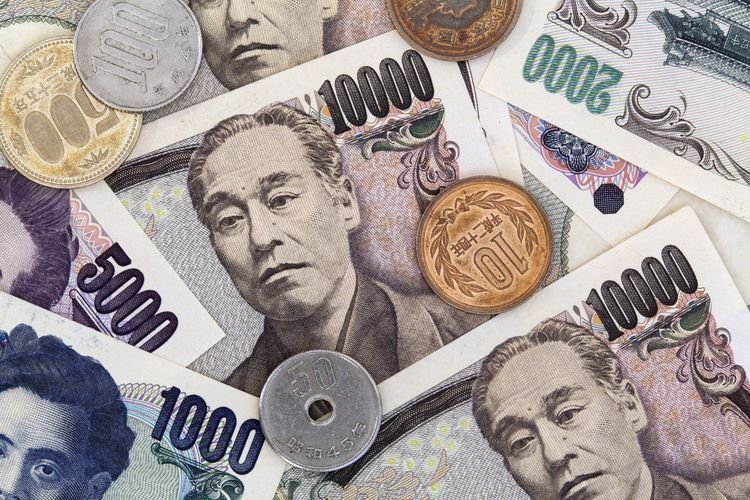
Asian currencies entered April 7, 2026 under significant strain as global financial conditions tightened. Traders across the region reacted to rising geopolitical tensions, a strong US dollar, and shifting capital flows. This combination created a synchronized decline across multiple currencies, including the Chinese yuan, South Korean won, and Indonesian rupiah.
Market participants did not treat these moves as isolated events. They recognized a broader pattern driven by global risk sentiment. Investors reduced exposure to emerging markets and redirected capital toward safer assets, which intensified downward pressure on Asian currencies.
Strong dollar dominates global forex flows
The US dollar continued to strengthen and attracted global capital. Investors viewed it as a safe and liquid asset during uncertain times. This preference reduced demand for Asian currencies and pushed exchange rates lower across the region.
Traders increased dollar holdings in response to geopolitical risks and expectations of stable US economic policy. As demand for the dollar rose, Asian currencies weakened further. This relationship created a reinforcing cycle that sustained pressure throughout the trading session.
The dominance of the dollar shaped nearly every movement in the forex market.
Capital outflows accelerate across Asia
Foreign investors actively withdrew funds from Asian markets. They reduced exposure to equities and bonds and shifted capital toward developed markets. This movement created immediate pressure on local currencies.
Emerging markets rely heavily on foreign capital to maintain liquidity and stability. When investors pull funds out quickly, currencies react sharply. The pace of outflows on April 7 surprised many traders and added to market volatility.
Domestic investors attempted to stabilize markets, but they could not fully offset the scale of foreign withdrawals.
Chinese yuan weakens amid economic concerns
The Chinese yuan faced persistent pressure as traders reacted to both global and domestic factors. Concerns about economic growth and capital outflows influenced sentiment. Investors showed caution toward Chinese assets, which contributed to currency weakness.
Authorities in China monitored the situation closely and took steps to manage volatility. However, market forces continued to drive movements. Traders remained sensitive to policy signals and economic data releases.
The yuan’s performance reflected both internal challenges and external pressures.
Korean won reacts to trade and tech exposure
The South Korean won experienced notable declines due to its exposure to global trade and technology sectors. South Korea’s economy depends heavily on exports, especially in electronics and semiconductors. When global demand weakens or uncertainty rises, the won often faces pressure.
Investors reduced positions in Korean assets as they anticipated slower global growth. This shift affected both equity and currency markets. The won’s movement highlighted the vulnerability of export-driven economies during periods of instability.
Traders closely tracked global demand indicators to assess future trends.
Indonesian rupiah faces commodity-linked volatility
The Indonesian rupiah showed weakness as commodity price fluctuations and capital flows influenced its trajectory. Indonesia relies on commodity exports, and changes in global demand directly impact its currency.
Rising oil prices created mixed effects. While some commodities benefited, higher energy costs raised concerns about inflation and trade balances. Investors responded by reducing exposure, which weakened the rupiah.
The currency’s movement reflected the complex interaction between commodities and capital flows.
Central banks respond with caution
Central banks across Asia monitored currency movements closely. They aimed to prevent excessive volatility without disrupting economic growth. Some authorities intervened in forex markets to stabilize their currencies.
However, central banks faced limitations. Global forces often outweigh local interventions, especially during periods of strong dollar dominance. Policymakers focused on maintaining stability rather than reversing trends entirely.
Clear communication from central banks helped manage expectations, but markets continued to react to external factors.
Interest rate differentials influence flows
Interest rate differences between Asia and the United States played a key role in shaping capital flows. Higher rates in the US attracted investors seeking better returns. Lower rates in many Asian economies reduced their appeal.
This gap encouraged investors to move funds out of Asia and into dollar-denominated assets. The resulting capital movement weakened regional currencies further.
Traders paid close attention to central bank policies and adjusted positions based on expected rate changes.
Geopolitical risks amplify uncertainty
Geopolitical tensions added another layer of complexity to forex markets. Concerns about conflicts and trade disruptions increased uncertainty. Investors responded by reducing risk exposure and seeking safer assets.
Asian economies, which depend heavily on trade, felt the impact more strongly. Currency markets reflected this vulnerability as traders reacted to each new development.
The combination of geopolitical risks and economic factors created a challenging environment for regional currencies.
Liquidity conditions tighten across markets
As capital outflows increased, liquidity conditions tightened in many Asian markets. Reduced liquidity made it harder for markets to absorb large trades. This situation led to sharper price movements and increased volatility.
Traders adjusted strategies to account for these conditions. They reduced position sizes and focused on short-term opportunities. Liquidity constraints played a significant role in shaping market behavior.
Stable liquidity remains essential for maintaining orderly markets.
Traders adopt defensive positioning
Forex traders across the region adopted defensive strategies. They prioritized capital preservation and avoided high-risk trades. Many reduced exposure to emerging market currencies and increased holdings in safer assets.
Short-term trading became more common as markets reacted quickly to news and data. Traders relied on both technical analysis and global developments to guide decisions.
This shift in strategy reflected the uncertain and rapidly changing environment.
Outlook depends on global developments
The future direction of Asian currencies depends largely on global factors. Developments in geopolitics, US monetary policy, and energy markets will continue to influence trends. Any change in these areas could alter capital flows and currency movements.
If global tensions ease, investors may return to riskier assets, which could support Asian currencies. However, continued uncertainty would likely sustain current pressures.
Market participants will monitor these factors closely in the coming weeks.
Conclusion: Pressure highlights structural challenges
The events of April 7, 2026 highlighted the vulnerability of Asian currencies to global forces. Strong dollar demand, capital outflows, and geopolitical risks combined to create sustained pressure across the region.
Traders responded quickly, and markets reflected this shift through coordinated declines. While central banks attempted to manage volatility, global dynamics dominated the landscape.
Asian economies continue to show long-term potential, but short-term challenges remain significant. The current environment underscores the importance of stability, policy clarity, and global coordination in navigating forex markets.
Also Read – Renounceable vs Non-Renounceable Rights