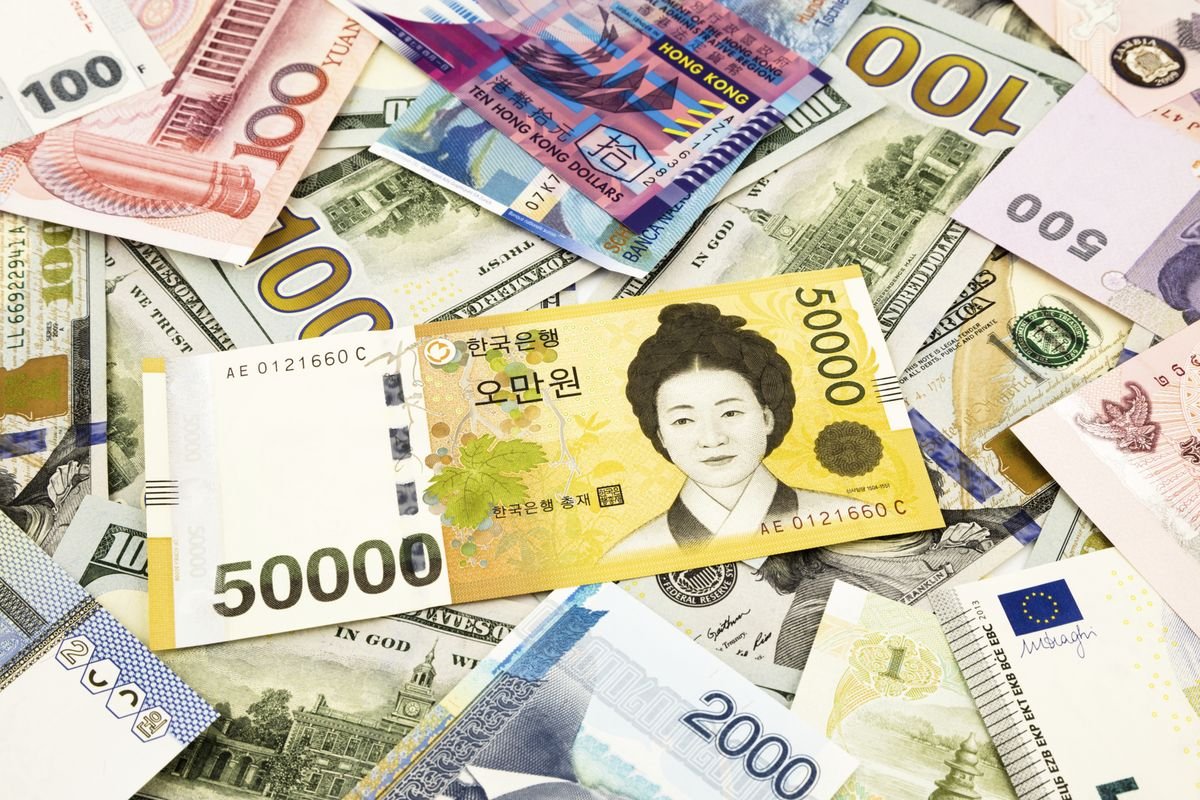
On January 5, 2026, policymakers in South Korea stepped forward with a clear message: they will not allow disorderly currency moves to undermine economic stability. The finance minister and the central bank governor jointly pledged decisive action to stabilize the won after weeks of sustained pressure. Currency traders, exporters, and global investors quickly focused on the signal, because coordinated policy responses often shape near-term forex direction.
Background: Why the Won Faced Pressure
The Korean won entered 2026 under strain from multiple global forces. Strong demand for the U.S. dollar, uneven global growth, and persistent geopolitical risks pushed investors toward safe-haven assets. Capital outflows from emerging Asia added further stress. South Korea’s open economy and deep integration with global trade exposed the won to abrupt shifts in risk sentiment.
Higher U.S. interest rate expectations widened yield differentials and encouraged funds to move toward dollar-denominated assets. At the same time, export-oriented firms increased dollar purchases to hedge revenue, which amplified demand in local FX markets. These combined forces weakened the won and raised concerns about market stability.
Government and Central Bank Coordination
The joint statement from the finance ministry and the central bank marked the most important element of the January 6th news. Officials emphasized close coordination between fiscal authorities and the Bank of Korea. This alignment matters because fragmented responses often confuse markets, while unified messaging anchors expectations.
Officials stressed their readiness to deploy “all available tools.” They did not rely on vague language. Instead, they highlighted monitoring mechanisms, liquidity provisions, and market-smoothing operations. Such clarity aimed to deter speculative attacks and reassure long-term investors.
Tools Available to Stabilize the Won
South Korean authorities possess a broad toolkit to manage currency volatility. They can intervene directly in FX markets through dollar sales when conditions become disorderly. They can also adjust liquidity conditions to ease short-term funding stress. Communication strategies play an equally important role, because clear guidance can shift expectations without large-scale intervention.
The central bank can fine-tune swap operations with domestic banks to ensure sufficient dollar liquidity. These measures reduce panic-driven demand and stabilize interbank markets. Fiscal authorities can also coordinate with public institutions to smooth excessive demand spikes.
Market Reaction to the Announcement
Forex markets responded quickly to the January 6th development. Traders interpreted the statement as a credible warning against one-way bets on won weakness. Short-term volatility eased, and bid-ask spreads narrowed in offshore trading. While the won did not reverse all prior losses, the pace of depreciation slowed.
Equity markets also showed signs of relief. A stable currency supports foreign investor confidence, especially in technology and manufacturing sectors that dominate Korean exports. Bond markets benefited as well, because reduced FX risk lowers pressure on yields.
Regional Context in Asia
South Korea does not operate in isolation. Other Asian economies also face currency volatility as global monetary conditions tighten. Policymakers across the region watch each other closely, because coordinated responses can reduce spillover effects.
South Korea’s proactive stance positioned it as a regional stabilizer rather than a passive observer. By acting early, officials aimed to prevent contagion and protect trade competitiveness. This approach contrasted with delayed responses in past cycles, which sometimes allowed volatility to spiral.
Implications for Exporters and Importers
A stable won carries direct consequences for businesses. Exporters benefit from predictability, even if a weaker currency boosts short-term price competitiveness. Importers, especially energy and raw material buyers, rely on stability to manage costs.
The government’s commitment reassured corporate treasurers who manage currency exposure. Many firms increased hedging activity during the volatility, but policy clarity reduced the urgency for defensive positioning. This environment supports smoother trade flows and investment planning.
Investor Confidence and Capital Flows
Foreign investors often treat currency stability as a proxy for policy credibility. The January 6th pledge reinforced South Korea’s reputation for disciplined macroeconomic management. Portfolio investors value transparency and swift responses, especially during global stress.
Long-term capital flows, such as foreign direct investment, depend less on daily FX moves. However, prolonged volatility can still deter investment. By addressing the issue early, policymakers aimed to preserve South Korea’s appeal as a stable destination for global capital.
Risks That Still Remain
Despite the reassuring message, risks persist. Global interest rate differentials may continue to favor the dollar. Geopolitical tensions could trigger renewed risk aversion. Commodity price swings may also affect trade balances and currency demand.
Authorities acknowledged these risks but emphasized vigilance rather than complacency. They committed to ongoing monitoring and rapid response. Markets tend to respect such realism more than overly optimistic forecasts.
Outlook for the Won in 2026
The January 6th news set the tone for South Korea’s FX policy in early 2026. The won may still experience volatility, but coordinated policy action should limit extreme moves. Investors will watch upcoming economic data, trade performance, and global monetary signals for confirmation.
If global conditions stabilize, the won could recover gradually. If external shocks intensify, authorities appear ready to step in again. Either way, the message from policymakers remains clear: they will actively defend market stability and economic confidence.
Conclusion
South Korea’s decisive response to won volatility on January 6, 2026, underscored the importance of coordination, clarity, and credibility in currency management. By aligning fiscal and monetary tools, officials sent a strong signal to markets. This approach did not eliminate all risks, but it strengthened confidence at a critical moment. As 2026 unfolds, the won’s path will reflect both global forces and the resolve of South Korean policymakers to maintain stability.
Also Read – Rupee Slides Further to 90.24 as Dollar Demand Stays Strong