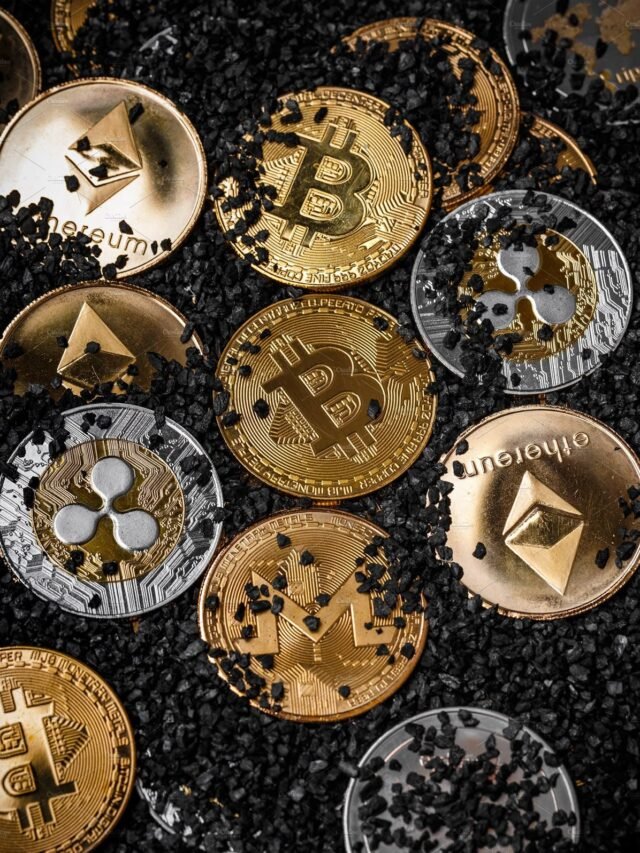
South Korea has entered a decisive new phase in its cryptocurrency journey. On January 12, 2026, financial regulators officially ended a nine-year prohibition that blocked corporations from investing in digital assets. The Financial Services Commission introduced a tightly structured framework that allows listed companies and professional investors to allocate up to 5% of their equity capital into approved cryptocurrencies. This decision marks one of the most consequential regulatory shifts in South Korea’s financial markets since the country first reacted to the crypto boom of the late 2010s.
Background of the Corporate Crypto Ban
South Korea imposed the original corporate crypto ban in 2017, during a period of intense market speculation and public concern. Authorities feared extreme volatility, retail speculation, fraud, and capital flight. Regulators chose to isolate corporate balance sheets from digital assets while allowing retail trading under heavy supervision. That approach helped stabilize domestic markets but also sidelined institutional capital and innovation.
Over time, the global crypto environment matured. Major economies introduced clearer frameworks for custody, taxation, and compliance. Global corporations began holding Bitcoin and Ethereum as treasury assets. South Korean policymakers increasingly faced pressure to modernize rules or risk losing financial relevance. The 2026 reform reflects years of internal debate and international benchmarking rather than a sudden reversal.
Core Details of the New Regulation
The new framework allows publicly listed companies and registered professional investors to invest in cryptocurrencies under specific conditions. Each eligible entity can invest up to 5% of its total equity capital per year. Regulators limited eligible assets to the top 20 cryptocurrencies by market capitalization, provided those assets trade on South Korea’s major licensed exchanges.
Authorities designed these limits to balance innovation with risk control. The cap prevents aggressive speculation while still granting firms enough exposure to explore strategic use cases. Exchanges must enforce order size limits, enhanced reporting standards, and stricter custody requirements for corporate accounts. Regulators want transparency at every step of the investment lifecycle.
Why Regulators Changed Course
Several forces pushed South Korea toward reform. First, institutional crypto adoption accelerated globally. Large asset managers, banks, and publicly traded companies abroad normalized crypto exposure through spot ETFs, custody services, and treasury allocations. Second, South Korea’s domestic exchanges lost competitiveness as capital flowed offshore to less restrictive markets. Third, policymakers recognized blockchain and digital assets as strategic technologies rather than fringe instruments.
The government also linked this reform to its broader economic strategy for 2026. Officials want to position South Korea as a digital-finance leader in Asia. Corporate crypto participation strengthens that ambition by anchoring innovation within regulated domestic institutions rather than offshore platforms.
Expected Impact on Corporations
The reform opens the door for thousands of companies to reconsider their capital strategies. Firms can now diversify treasury holdings, hedge against currency risk, and experiment with blockchain-based financial tools. Large technology firms, financial institutions, and export-driven conglomerates stand to benefit the most due to their global exposure and sophisticated risk management systems.
Boards of directors will now face new strategic questions. They must define internal crypto policies, select custodians, and align accounting practices with digital asset reporting standards. This shift transforms crypto from a speculative retail product into a legitimate corporate finance tool within South Korea.
Market Effects and Liquidity Implications
Corporate participation could significantly improve liquidity across South Korean crypto markets. Institutional investors tend to trade larger volumes and maintain longer holding periods than retail traders. Their presence could reduce price fragmentation and narrow spreads on domestic exchanges.
Increased liquidity also improves price discovery. When corporations allocate capital based on long-term fundamentals rather than short-term speculation, markets gain stability. This structural shift could help South Korea regain trading volume that previously migrated to foreign platforms.
Benefits for the Broader Crypto Ecosystem
The reform delivers more than capital inflows. It boosts credibility. When publicly listed companies hold digital assets, they validate crypto as a legitimate asset class. That validation encourages infrastructure development, including institutional custody, auditing services, compliance software, and risk analytics.
Startups and blockchain developers may also benefit. Corporate demand often fuels partnerships, pilot programs, and enterprise-grade blockchain adoption. South Korea’s strong technology sector could leverage this regulatory clarity to expand into decentralized finance, tokenized assets, and cross-border settlement solutions.
Criticism of the 5% Investment Cap
Despite widespread support, the regulation has drawn criticism. Industry leaders argue that the 5% cap feels arbitrary. They note that regulators already require boards to manage risk responsibly. Fixed limits may restrict companies that want to pursue deeper strategic integration with digital assets.
Some critics also worry that the cap discourages innovation in crypto-native treasury models. Firms that want to operate as long-term digital asset holders may find the limit too restrictive to compete with global peers. Others believe regulators may revise the cap upward once markets demonstrate stability.
Ongoing Regulatory Questions
Several issues remain unresolved. Regulators have not fully clarified whether stablecoins qualify under the approved asset list. Accounting treatment, tax implications, and custody insurance standards still require refinement. Corporate compliance teams will demand precise guidance before deploying capital.
Authorities have signaled flexibility. They plan to monitor market behavior closely and adjust rules as needed. That adaptive approach suggests the current framework represents a starting point rather than a final destination.
Comparison With Global Approaches
South Korea’s approach remains conservative compared to other major markets. The United States and parts of Europe allow corporate crypto exposure without fixed percentage caps, relying instead on disclosure and governance standards. Japan focuses heavily on custody and accounting rules rather than allocation limits.
However, South Korea’s model reflects its regulatory culture. Policymakers prefer gradual integration with clear guardrails. Given the country’s history of retail-driven volatility, regulators aim to introduce institutional participation without destabilizing markets.
What Comes Next
Implementation will unfold throughout 2026. Companies will begin internal reviews, hire specialists, and engage with licensed exchanges and custodians. Regulators will observe early adopters closely. If markets respond positively, officials may expand eligibility, raise caps, or approve new products such as corporate crypto ETFs.
This reform reshapes South Korea’s financial landscape. It bridges the gap between traditional finance and digital assets while maintaining regulatory discipline. By allowing corporations to invest responsibly, South Korea signals confidence in the future of crypto and reclaims its role as a serious global player in digital finance.
Also Read – Mutual Fund Risk vs Return Tradeoff