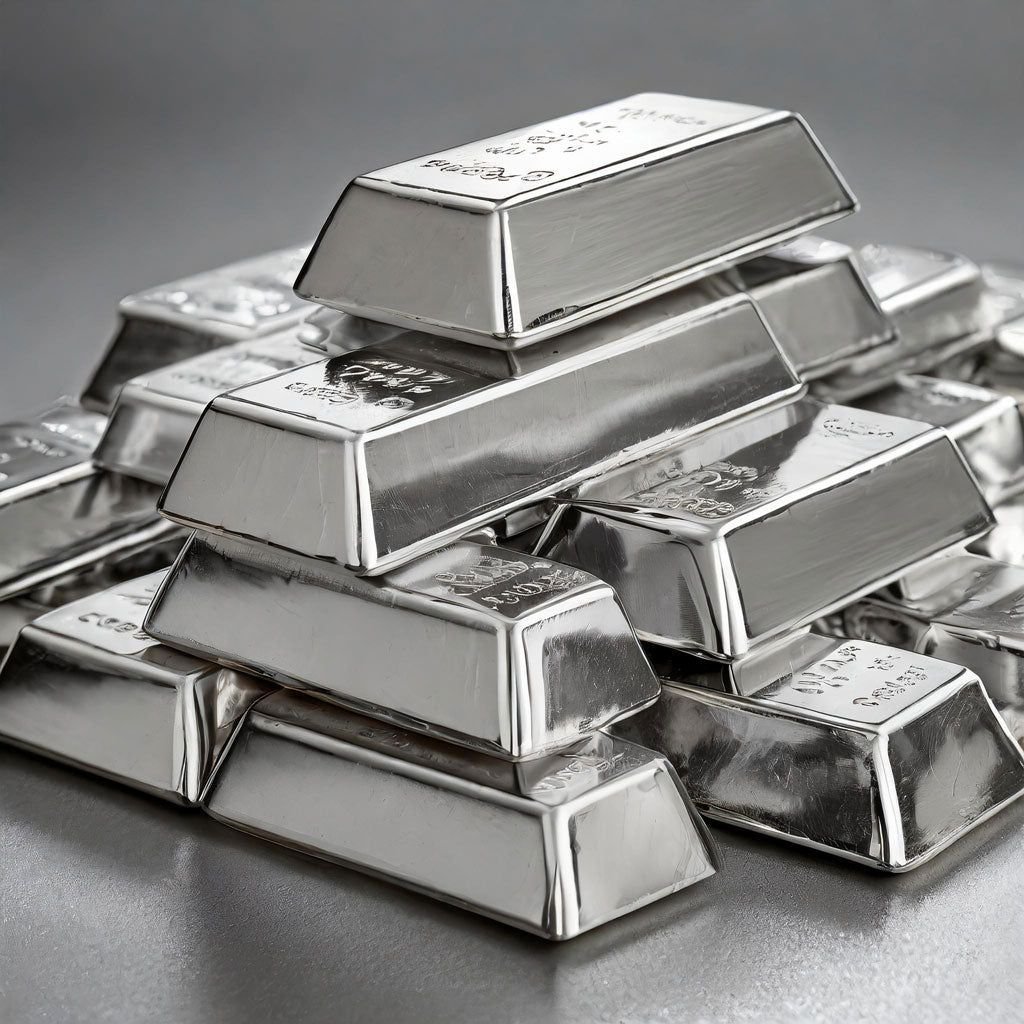
Silver occupies a unique position in global commodity markets. It is both a precious metal and a critical industrial material. Unlike gold, which is held primarily for investment and reserve purposes, silver’s price is heavily influenced by how much the world uses it. Roughly half of annual silver demand now comes from industrial applications, tying silver’s fortunes directly to technology, energy transition, and economic growth.
This dual identity explains why silver is often more volatile than gold, why it sometimes lags during financial stress, and why it can outperform dramatically during periods of industrial expansion. To understand silver prices, you must understand industrial demand.
This article explains how silver prices are formed, where industrial demand comes from, how recent data through late 2025 and early 2026 fits into the picture, and what the future may hold.
Silver at a Glance: Market Snapshot (2025–Early 2026)
Before diving into structure, here are the most important current realities shaping silver prices:
-
Silver prices traded in a wide range through 2025, roughly between the mid-$20s and mid-$30s per ounce, reflecting strong industrial demand but volatile investment flows.
-
Global silver demand exceeded 1.2 billion ounces annually, with industrial use accounting for over 55% of total demand — the highest share in modern history.
-
Industrial silver demand reached a record high in 2025, driven by solar energy, electronics, power infrastructure, and automotive electrification.
-
Mine supply growth remained limited, with global silver production essentially flat, creating recurring market deficits.
-
Above-ground inventories continued to decline after several consecutive years of demand exceeding new supply.
These conditions help explain why silver prices have been structurally supported even during periods of monetary tightening.
How Silver Prices Are Determined
Silver prices are formed through the interaction of four major forces:
-
Industrial demand
-
Investment demand
-
Mine supply and recycling
-
Macroeconomic and monetary conditions
Unlike gold, where investment demand dominates, silver prices are highly sensitive to shifts in physical consumption.
The Industrial Backbone of Silver Demand
Why silver is so widely used
Silver has the highest electrical conductivity of any metal, excellent thermal conductivity, and strong reflectivity. These physical properties make it irreplaceable in many applications.
Key characteristics:
-
Superior electrical efficiency
-
Strong antimicrobial properties
-
High durability under thermal stress
-
Chemical stability
Because of these traits, silver is embedded in modern technology and infrastructure.
Major Industrial Uses of Silver
1. Solar Energy (Photovoltaics)
Solar power is now the single largest source of industrial silver demand.
-
Each solar panel uses silver paste in its conductive cells.
-
Global solar capacity additions have been setting records year after year.
-
Despite ongoing efforts to reduce silver content per panel, total silver use continues to rise because installations are growing faster than efficiency gains.
By 2025:
-
Solar accounted for over 20% of total silver demand.
-
Annual silver consumption by the solar sector exceeded 150 million ounces.
As countries accelerate decarbonization and grid expansion, solar-related silver demand is expected to remain strong through the rest of the decade.
2. Electronics and Electrical Equipment
Silver is essential in:
-
Smartphones and computers
-
Semiconductors
-
Circuit boards
-
Power switches and contacts
As digitalization expands globally — including data centers, cloud computing, and AI infrastructure — silver demand from electronics remains robust.
Unlike some materials, silver cannot easily be substituted without sacrificing performance, especially in high-reliability components.
3. Automotive and Electric Vehicles
Silver use in vehicles has increased significantly:
-
Internal combustion vehicles already contain silver in electronics and control systems.
-
Electric vehicles use significantly more silver per unit due to higher electronic complexity.
EV adoption has accelerated across major markets, pushing automotive silver demand to record levels. Charging infrastructure, power electronics, and battery management systems further amplify silver use beyond the vehicle itself.
4. Power Grids and Electrification
The global push to electrify transport, heating, and industry requires massive investment in power infrastructure.
Silver is used in:
-
High-voltage switches
-
Circuit breakers
-
Grid control systems
Grid expansion and modernization have become a steady, long-term driver of silver demand independent of short-term economic cycles.
5. Industrial Chemicals and Medical Applications
Silver’s antimicrobial properties make it valuable in:
-
Medical devices
-
Wound care products
-
Water purification systems
-
Industrial catalysts
These applications are smaller in volume but highly stable and non-cyclical.
Investment Demand: The Second Pillar
While industrial demand provides the foundation, investment demand drives volatility.
Forms of investment demand
-
Physical bars and coins
-
Exchange-traded products backed by silver
-
Futures and options
Investment demand tends to rise during:
-
Inflationary concerns
-
Currency weakness
-
Periods of low or negative real interest rates
-
Speculative cycles in commodities
Silver is often described as “gold with leverage” because it tends to move more aggressively when precious metals are in favor — up or down.
Why Silver Is More Volatile Than Gold
Several structural reasons explain silver’s volatility:
-
Smaller market size – Silver’s total market value is much smaller than gold’s, so flows have outsized effects.
-
Dual demand profile – Industrial slowdowns can hit silver even when investors are bullish on precious metals.
-
Thin inventories – Available above-ground stocks are relatively limited.
-
Speculative participation – Silver futures markets attract short-term traders.
As a result, silver often underperforms gold during financial crises but outperforms during recoveries and growth phases.
Supply Side: Why Silver Is Often in Deficit
Mine production
Silver supply is constrained by geology and mining economics:
-
About 70% of silver is produced as a byproduct of mining other metals such as copper, lead, and zinc.
-
This means silver supply does not respond quickly to higher prices.
Even with higher silver prices, production cannot ramp up rapidly unless base metal mining expands.
Recycling
Recycling contributes roughly 15–20% of annual silver supply.
However:
-
Many modern applications use very small amounts of silver, making recovery uneconomic.
-
Recycling volumes are relatively insensitive to price increases.
Structural supply imbalance
From 2021 through 2025:
-
Global silver demand exceeded mine supply plus recycling each year.
-
This led to repeated annual deficits and declining inventories.
Persistent deficits create long-term upward pressure on prices.
The Energy Transition and Silver’s Future
Silver is one of the metals most leveraged to the global energy transition.
Drivers include:
-
Solar deployment
-
Electrification of transport
-
Grid expansion
-
Energy storage systems
Unlike lithium or copper, silver has fewer substitutes in critical applications. Even aggressive thrifting scenarios still imply high absolute demand.
This makes silver less dependent on jewelry demand than in the past and more structurally tied to industrial growth.
Macroeconomic Factors That Influence Silver Prices
While industrial demand sets the floor, macro forces shape the ceiling.
Interest rates and real yields
-
Falling real yields support silver investment demand.
-
Rising real yields can cap rallies, even when industrial demand is strong.
Inflation
-
Silver can act as an inflation hedge, but less consistently than gold.
-
It performs best when inflation coincides with economic growth.
Currency movements
-
A weaker U.S. dollar typically supports silver prices globally.
Global growth expectations
-
Strong growth boosts industrial demand and lifts prices.
-
Recession fears can weigh on silver even if precious metals rally.
Comparing Silver to Gold
| Factor | Silver | Gold |
|---|---|---|
| Industrial demand share | High | Low |
| Volatility | Higher | Lower |
| Inflation hedge | Moderate | Stronger |
| Energy transition exposure | Very high | Low |
| Crisis hedge | Weaker | Stronger |
Silver is better described as a hybrid metal — part industrial commodity, part monetary asset.
Why Industrial Demand Is Reshaping Silver’s Role
Historically, silver demand was dominated by photography and jewelry. Today, technology and energy drive the market.
This shift has three important implications:
-
Silver prices are increasingly linked to industrial cycles.
-
Long-term demand is less discretionary and more structural.
-
Supply constraints are more impactful due to byproduct production.
Silver is no longer just a “poor man’s gold”; it is a strategic material for modern economies.
What Could Change the Outlook?
Potential risks to silver demand include:
-
Severe global recession
-
Breakthrough substitutes for silver in photovoltaics
-
Sustained high real interest rates
However, most substitution efforts reduce usage per unit rather than eliminate silver entirely.
How Investors Approach Silver Today
Silver is used by investors for:
-
Exposure to the energy transition
-
Diversification within precious metals
-
Higher-beta exposure compared with gold
-
Tactical trading due to volatility
Because of its swings, silver is often held in smaller allocations than gold.
A Practical Way to Think About Silver Prices
Silver prices can be thought of as:
Industrial demand + supply constraints + monetary conditions + sentiment
When all four align, silver can outperform most commodities. When they conflict, volatility rises.
Final Thoughts
Silver prices cannot be understood without industrial demand. The metal is deeply embedded in solar energy, electrification, electronics, and infrastructure — sectors that are growing faster than global GDP. At the same time, silver supply is structurally constrained, and inventories are not abundant.
This creates a powerful long-term foundation. However, silver remains sensitive to macroeconomic conditions and investment flows, making it more volatile than gold.
For investors and analysts, silver is best viewed not simply as a precious metal, but as a strategic industrial material with monetary characteristics. That dual identity is what makes silver fascinating, unpredictable, and increasingly important in a world moving toward electrification and digitalization.