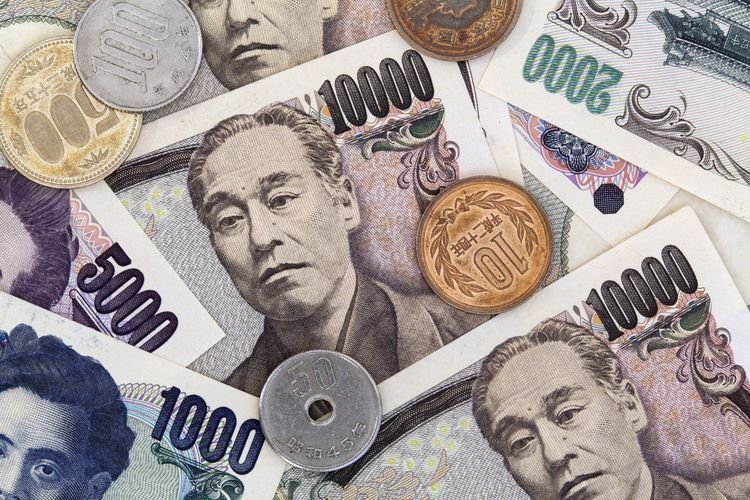
Japan and the United States have intensified their coordination on foreign exchange policy as pressure mounts on the Japanese yen. Senior Japanese officials confirmed close communication with U.S. counterparts, signaling readiness to respond to excessive currency volatility. This development comes at a time when sharp movements in the yen threaten financial stability and disrupt trade-sensitive sectors of the Japanese economy.
The renewed cooperation highlights the importance of diplomacy in currency markets. Rather than relying solely on domestic tools, Tokyo now emphasizes collaboration with Washington to manage risks tied to speculative trading and shifting global interest-rate expectations. Markets interpreted this stance as a warning to traders who continue to test the limits of yen weakness.
Rising Yen Volatility Forces Policy Attention
The yen has faced heavy selling pressure due to wide interest-rate gaps between Japan and the United States. While the Federal Reserve maintained relatively high rates to control inflation, the Bank of Japan (BOJ) kept its monetary policy accommodative to support domestic growth. This divergence encouraged investors to borrow in yen and invest in higher-yielding currencies, a strategy known as the carry trade.
As a result, the yen weakened rapidly against the dollar and other major currencies. These moves created concern inside Japan’s government because rapid depreciation raises import costs and fuels inflation. Energy and food prices rose sharply for Japanese households, squeezing purchasing power and stirring public anxiety.
Officials in Tokyo concluded that communication alone with domestic markets no longer sufficed. They recognized the need for direct dialogue with U.S. policymakers to ensure that any action would carry global credibility and reduce the risk of misunderstanding.
Diplomatic Coordination Sends a Strong Signal
Japan’s top currency diplomat emphasized that both countries share the goal of preventing disorderly market behavior. He stated that Japan and the United States remain “in close contact” and stand ready to act if markets become unstable. This language echoed previous episodes of joint intervention, when coordinated buying or selling of currencies helped calm extreme volatility.
Coordination matters because unilateral action can lose effectiveness. When Japan intervenes alone, speculators often challenge its efforts by betting against the central bank. However, when the United States supports Japan’s stance, the message carries far more weight. The dollar’s central role in global finance means U.S. participation can shift expectations instantly.
This cooperative posture also reassures investors that authorities prioritize stability over competitive devaluation. Both governments aim to preserve orderly markets rather than gain trade advantages through currency manipulation.
Why the Yen Matters to the Global Economy
The yen plays a unique role in international finance. Investors treat it as a safe-haven currency during times of crisis, yet they also use it heavily for funding trades due to Japan’s low interest rates. These dual roles make the yen extremely sensitive to shifts in risk sentiment and policy signals.
When the yen weakens sharply, it can distort global capital flows. Asian currencies often follow its direction, and equity markets respond to changes in Japan’s export competitiveness. A sudden yen collapse could trigger broader turbulence across emerging markets and developed economies alike.
For the United States, currency stability in Japan supports regional economic balance. Washington views Japan as a strategic partner and a key anchor of financial stability in Asia. By coordinating policies, both nations protect shared economic interests and reinforce their alliance beyond security matters.
Market Reaction to the Policy Signal
Following statements about closer coordination, the yen strengthened as traders reduced speculative positions. Currency markets responded immediately to the prospect of intervention. Investors recognized that policymakers would not tolerate chaotic swings.
Equity markets in Tokyo also reacted positively. Export-oriented firms welcomed a more stable currency environment, which allows better planning and cost management. At the same time, import-dependent industries gained relief from fears of rising raw material prices.
Global markets took note as well. The announcement reinforced the idea that major economies remain willing to cooperate during periods of stress. This confidence reduced short-term uncertainty and encouraged a more balanced approach to risk.
The Role of the Bank of Japan
The Bank of Japan stands at the center of this situation. While the government handles currency diplomacy, the BOJ controls monetary conditions that influence exchange rates. The central bank has started to adjust its long-standing ultra-loose stance by allowing more flexibility in bond yields. These steps aim to normalize policy without shocking markets.
However, the BOJ still faces a delicate task. If it tightens too quickly, it could derail Japan’s fragile recovery. If it delays too long, the yen may continue to weaken and import inflation could worsen. Coordination with the United States helps buy time and manage expectations during this transition.
The BOJ also benefits from external validation. When the U.S. Treasury acknowledges concerns about volatility, it strengthens the credibility of Japan’s policy path and discourages speculative attacks.
Historical Context of Joint Action
Japan and the United States have a long history of cooperating on currency matters. In the 1990s, they worked together to stabilize the yen during periods of extreme appreciation and depreciation. More recently, they coordinated after major crises to restore order in global markets.
These precedents show that cooperation can succeed when both sides share clear objectives. Current conditions mirror those past episodes, with rapid currency moves driven by global interest-rate changes rather than domestic fundamentals alone.
The present coordination draws on this legacy. It reminds markets that governments still possess tools and alliances capable of influencing outcomes, even in highly liquid and complex forex markets.
Risks and Challenges Ahead
Despite strong signals, challenges remain. Global investors continue to focus on interest-rate differentials, and these structural forces may overpower verbal warnings. If U.S. inflation stays stubbornly high, the Federal Reserve may keep rates elevated longer than expected, which would maintain pressure on the yen.
Geopolitical tensions and commodity price swings also add uncertainty. Any shock to energy markets could weaken the yen further by increasing Japan’s import bill. Policymakers must remain vigilant and flexible.
Another risk involves market interpretation. If traders perceive coordination as mere rhetoric without concrete action, they may resume aggressive positions. For this reason, credibility matters as much as communication.
Strategic Importance of Cooperation
Beyond short-term market moves, this coordination reflects a broader strategy. Japan and the United States seek to reinforce financial stability as part of their wider partnership. Currency policy now joins defense, trade, and technology as a field of cooperation.
This approach sends a message to other major economies. It shows that leading nations prefer dialogue and shared responsibility rather than unilateral action. In an era of fragmented global politics, such cooperation carries symbolic value.
For Japan, the alliance provides reassurance during a period of policy change. For the United States, it supports regional economic order and protects supply chains linked to Japanese industry.
Outlook for the Yen and Global Markets
In the months ahead, the yen’s direction will depend on economic data, central bank decisions, and investor sentiment. If the BOJ continues gradual normalization and the Federal Reserve signals eventual easing, pressure on the yen may subside naturally.
However, authorities remain prepared to step in if markets turn disorderly. The clear message from Tokyo and Washington suggests that they will not tolerate destabilizing speculation.
This episode marks a renewed commitment to cooperation in currency management. By working together, Japan and the United States aim to protect stability, support growth, and guide markets through a complex global environment.
The yen now stands at the center of a coordinated strategy rather than isolated policy action. This unity strengthens confidence and reminds the world that major economies still value order over chaos in the foreign exchange system.
Also Read – Why SIP Investing Is Sometimes Worse in Bear Markets