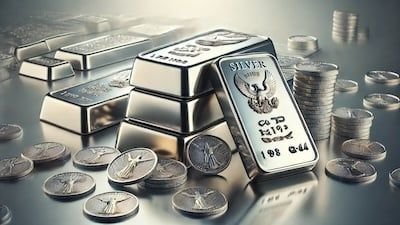
Silver prices entered a phase of extreme volatility after suffering their steepest decline since 1980. Traders, investors, and industry participants now face uncertainty as markets react to global economic signals, central bank policies, and shifting demand patterns. Analysts expect sharp movements in the coming sessions as the metal searches for a stable base.
The recent fall shocked commodity markets because silver often acts as both a precious metal and an industrial commodity. When fear dominates financial markets, investors usually turn to silver for safety. This time, however, heavy selling pressure overwhelmed buying interest and pushed prices to multi-year lows. The fall triggered margin calls, panic exits, and aggressive profit booking across futures markets.
What Caused the Sharp Decline?
Several powerful forces combined to drive silver into its worst slump in decades. First, the strengthening of the US dollar created strong headwinds for precious metals. A firm dollar makes commodities priced in dollars more expensive for global buyers. This factor reduced overseas demand and encouraged traders to cut long positions.
Second, rising bond yields shifted investor preference toward interest-bearing assets. When yields rise, silver loses appeal because it does not generate income. Investors moved funds from commodities into bonds and equities, which promised higher short-term returns.
Third, expectations of tighter monetary policy added pressure on the market. Central banks across the world signaled their intention to fight inflation through higher interest rates. These signals created fear of reduced liquidity in financial markets. As liquidity dried up, speculative positions in silver collapsed quickly.
Fourth, industrial demand showed signs of slowdown. Silver plays a major role in electronics, solar panels, and medical equipment. Weak manufacturing data from key economies such as China and parts of Europe raised concerns about future consumption. Traders reacted by lowering demand projections, which pushed prices further down.
Impact on Indian Markets
In India, silver prices mirrored global weakness and showed sharp intraday swings on the Multi Commodity Exchange (MCX). The fall erased gains accumulated over previous months. Retail investors, who had entered silver at higher levels, faced losses and uncertainty about whether to hold or exit.
Jewellery and bullion traders also felt the pressure. Lower prices encouraged short-term buying from consumers, but high volatility discouraged bulk purchases. Many traders preferred to wait for stability before rebuilding inventory. This cautious approach limited any strong rebound in domestic prices.
Currency movements added another layer of complexity. The rupee’s fluctuation against the dollar influenced landed costs of imported silver. A weaker rupee reduced the benefit of falling international prices, while a stronger rupee offered brief relief to Indian buyers.
Analysts Predict Continued Volatility
Market experts now expect silver to remain volatile in the near term. They believe prices will react strongly to every new economic indicator and central bank statement. Inflation data, interest rate decisions, and geopolitical developments will guide short-term trends.
Technical analysts note that silver has entered a critical support zone. If prices hold above this level, bargain hunters may step in and trigger a rebound. If prices break below support, another round of selling could follow. Chart patterns suggest wide trading ranges rather than a smooth upward or downward path.
Commodity strategists also point out that silver often experiences sharper moves than gold because of its dual nature. It responds to fear like a precious metal and to growth like an industrial commodity. This dual character increases its sensitivity to news and speculation.
Global Factors That Will Shape Prices
Several global factors will decide silver’s next direction. The first factor involves inflation trends. If inflation remains high, investors may return to precious metals as a hedge. This scenario could support silver prices and slow the recent decline.
The second factor includes central bank actions. Any hint of a pause or slowdown in rate hikes could weaken the dollar and revive interest in silver. Conversely, aggressive tightening will likely keep pressure on the metal.
The third factor involves industrial demand, especially from the renewable energy sector. Solar panel production consumes large quantities of silver. Growth in green energy projects could create long-term demand support even if short-term sentiment stays weak.
The fourth factor includes geopolitical risks. Conflicts, trade tensions, or supply disruptions often push investors toward safe-haven assets. Silver could benefit from such conditions if uncertainty increases in global markets.
Investor Strategy in a Volatile Market
Investors now face a challenging environment. Sharp price swings create opportunities but also raise risks. Short-term traders may benefit from volatility through disciplined strategies and strict stop-loss levels. Long-term investors should focus on fundamentals rather than daily price noise.
Financial advisors recommend diversification rather than heavy exposure to a single commodity. Silver can play a role in a balanced portfolio, but investors should avoid emotional decisions based on fear or excitement. A systematic investment approach may reduce the impact of sudden market shocks.
Some analysts suggest accumulating silver gradually at lower levels instead of investing all funds at once. This method allows investors to average costs and reduce timing risk. However, every strategy requires careful monitoring of global cues and domestic price movements.
Comparison With the 1980 Crash
The current fall draws comparisons with the dramatic crash of 1980, when silver prices collapsed after speculative excess and regulatory changes. That episode taught markets important lessons about leverage and risk management. Today’s decline does not stem from a single speculative bubble, but from a mix of macroeconomic pressures and policy shifts.
Unlike 1980, modern markets offer more transparency and faster information flow. Traders react instantly to data and headlines. This speed increases volatility but also allows quicker price discovery. The market now adjusts faster to new realities, even when those adjustments cause sharp swings.
Outlook for the Coming Months
Silver’s future depends on how quickly markets regain confidence. If inflation cools and interest rate expectations stabilize, silver could recover part of its losses. Industrial demand may also strengthen as global manufacturing improves.
However, uncertainty will remain a defining feature of the market. Analysts do not expect a straight upward rally. Instead, they foresee a phase of consolidation with wide fluctuations. Such conditions favor cautious participation and informed decision-making.
India’s silver market will continue to track global prices while responding to currency movements and domestic demand. Festival seasons and wedding demand could provide temporary support, but global trends will dominate overall direction.
Conclusion
Silver now stands at a crossroads after its worst crash since 1980. The metal faces pressure from strong currencies, rising interest rates, and weak industrial signals. At the same time, inflation risks and long-term demand from green technologies offer hope for recovery.
Volatility will define silver’s journey in the near future. Investors and traders must stay alert, manage risk carefully, and avoid impulsive actions. The current phase reminds the market that silver can reward patience but punish haste. Those who understand its dual nature and global drivers will navigate this turbulent period with greater confidence.
Also Read – Energy Commodities and Global Demand Trends