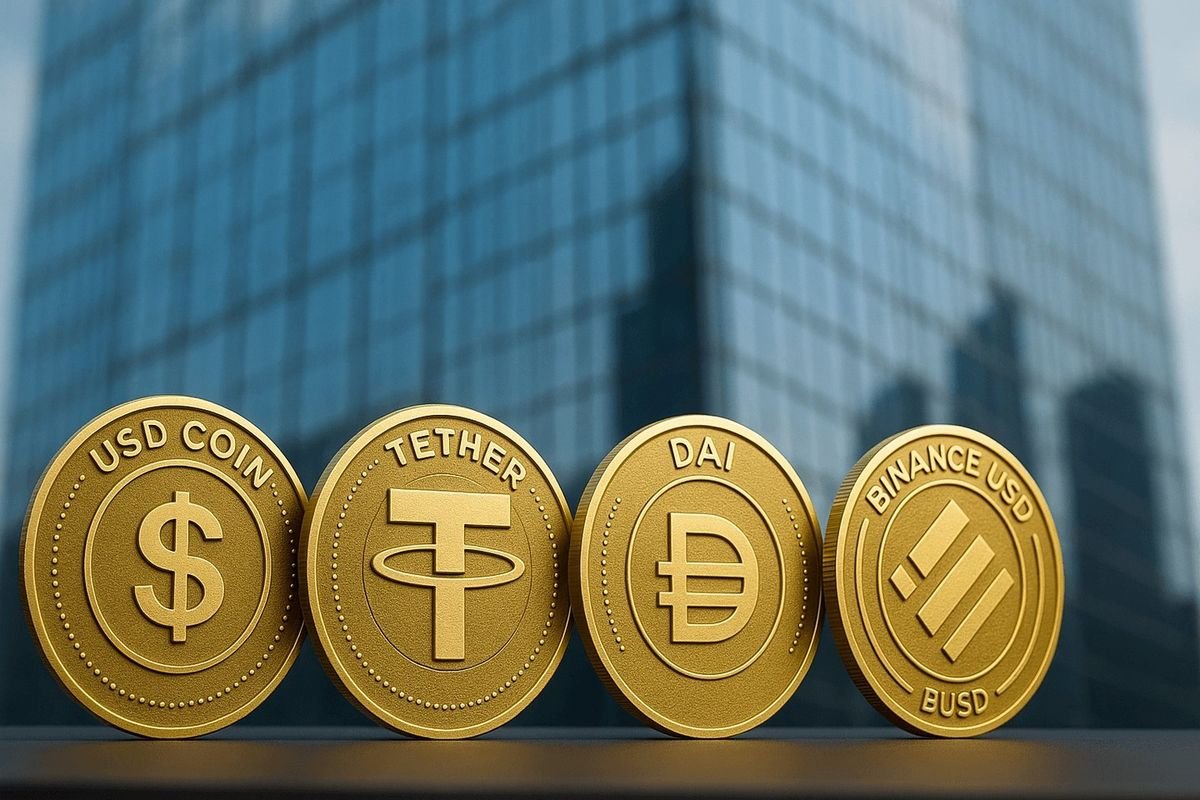
Tether has reached a major milestone after reporting more than 500 million users worldwide for its USDT stablecoin. This achievement highlights the rapid expansion of stablecoin adoption across trading, payments, remittances, and decentralized finance. The growth arrives during a period when broader crypto markets face volatility and declining prices, showing that stablecoins continue to attract users even during uncertain market conditions.
USDT plays a central role in crypto markets because traders rely on stablecoins to move capital quickly without converting funds into traditional currencies. As volatility increases, many users shift funds into stablecoins to preserve value while maintaining market access. Tether benefits directly from this behavior, which explains the continued expansion of its user base despite bearish sentiment across major cryptocurrencies.
Stablecoins gain utility beyond trading
Stablecoins initially gained popularity as trading tools, but usage has expanded far beyond exchanges. Many users now rely on USDT for cross-border payments, business settlements, and remittances. In regions with unstable local currencies, stablecoins offer an alternative that allows users to store value in a dollar-linked asset without requiring access to traditional banking infrastructure.
Emerging markets drive a significant portion of this adoption. Freelancers, exporters, and digital businesses increasingly use stablecoins to receive payments from international clients. Transactions settle quickly and often cost less than traditional banking transfers. This efficiency encourages continued growth in user numbers.
Small businesses also integrate stablecoins into payment flows. Merchants who operate online accept USDT because it reduces currency conversion delays and simplifies global transactions. These practical use cases support long-term adoption rather than speculative demand alone.
Market volatility strengthens stablecoin demand
Crypto market downturns often increase demand for stablecoins. Traders move funds into USDT during periods of uncertainty to avoid exposure to price swings. This defensive positioning allows users to remain inside the crypto ecosystem while reducing risk.
The recent market weakness created conditions that favored stablecoin growth. Investors who reduced exposure to Bitcoin and other volatile assets frequently parked funds in USDT while waiting for clearer market direction. Exchanges recorded increased stablecoin trading volumes as market participants adjusted positions.
Stablecoins also serve as liquidity bridges between exchanges and decentralized platforms. Traders use USDT to move funds rapidly between opportunities without relying on bank transfers. This function strengthens its position as a foundational asset within crypto markets.
Concerns over reserves remain part of the discussion
Despite strong growth, Tether continues to face scrutiny regarding transparency and reserve composition. Critics question whether reserves fully support circulating supply at all times. These concerns remain central to discussions around stablecoin regulation and market trust.
Tether has responded by publishing reserve reports and emphasizing asset backing. The company states that it maintains reserves that include cash equivalents, government securities, and other assets designed to support redemption demands. Supporters argue that continued market usage reflects user confidence, while critics call for deeper audits and clearer disclosure standards.
Regulators worldwide increasingly focus on stablecoin oversight due to their growing influence in financial markets. Policymakers want to ensure that large stablecoin issuers maintain sufficient liquidity during periods of market stress. This regulatory attention will likely shape the next phase of stablecoin development.
Role in decentralized finance expands
Decentralized finance platforms rely heavily on stablecoins as collateral and settlement assets. Lending protocols, decentralized exchanges, and liquidity pools frequently use USDT as a base currency. This integration increases demand because users need stable assets to manage risk while participating in DeFi activities.
Yield strategies also contribute to adoption. Users deposit stablecoins into lending or liquidity platforms to earn returns without taking exposure to volatile tokens. Although yields fluctuate with market conditions, the underlying demand for stable assets remains strong.
Developers continue to build applications that rely on stablecoin liquidity. As decentralized ecosystems expand, stablecoins function as the financial backbone that supports trading and lending activity.
Global competition among stablecoins intensifies
The growth of USDT occurs alongside increasing competition from other stablecoins. Issuers compete on transparency, regulatory compliance, and technological integration. Some projects focus on stronger regulatory alignment, while others emphasize decentralized structures.
Competition encourages innovation but also increases pressure on leading issuers to maintain trust. Market participants monitor reserve disclosures, redemption mechanisms, and liquidity conditions closely. Any loss of confidence could trigger rapid shifts between stablecoins, making credibility essential for long-term dominance.
Tether maintains leadership largely because of its early adoption and deep integration across exchanges. Liquidity attracts liquidity, and traders prefer assets that offer widespread acceptance. This network effect continues to support USDT’s market position.
Stablecoins reshape global financial access
Stablecoins increasingly influence financial access in regions where banking infrastructure remains limited. Individuals who lack access to dollar accounts can still hold dollar-pegged value through mobile wallets and crypto platforms. This accessibility expands financial participation and enables new economic activity.
Cross-border workers use stablecoins to send remittances faster than traditional systems allow. Families receive funds quickly without paying high transfer fees. These real-world applications strengthen stablecoin relevance beyond speculative trading environments.
Governments and central banks observe these developments closely. Some policymakers explore central bank digital currencies as a response to private stablecoin growth. The interaction between public digital currencies and private stablecoins will shape future financial systems.
Future outlook for Tether and stablecoins
Tether’s 500 million user milestone reflects strong demand for stability within a volatile digital asset ecosystem. Stablecoins now represent a critical layer of crypto infrastructure rather than a temporary trading tool. Continued adoption will depend on transparency, regulatory cooperation, and technological reliability.
Market participants expect stablecoins to play an even larger role as institutional involvement in crypto increases. Institutions require reliable settlement assets, and stablecoins provide efficiency that traditional systems struggle to match. However, long-term growth will require consistent trust and clear regulatory frameworks.
Tether’s expansion shows how crypto adoption evolves beyond speculation toward practical financial utility. As users seek stability, speed, and accessibility, stablecoins continue to gain relevance across global markets. The milestone therefore represents not only company growth but also a broader shift in how digital assets integrate into everyday financial activity.
Also Read – Best Crypto Exchanges for Active Day Traders