Silver prices witnessed a steep decline on March 23, 2026, following the broader downturn in the precious metals market. Traders reacted to global economic signals, including a stronger US dollar and rising interest rate expectations. This combination triggered aggressive selling and reduced demand for silver across major markets.
Unlike gold, silver carries both industrial and investment value. However, current conditions weakened demand from both sectors. Investors moved funds toward assets offering better returns, while industrial demand faced uncertainty due to economic concerns. These factors combined to push silver prices sharply lower.
Sharp Price Drop Reflects Market Pressure
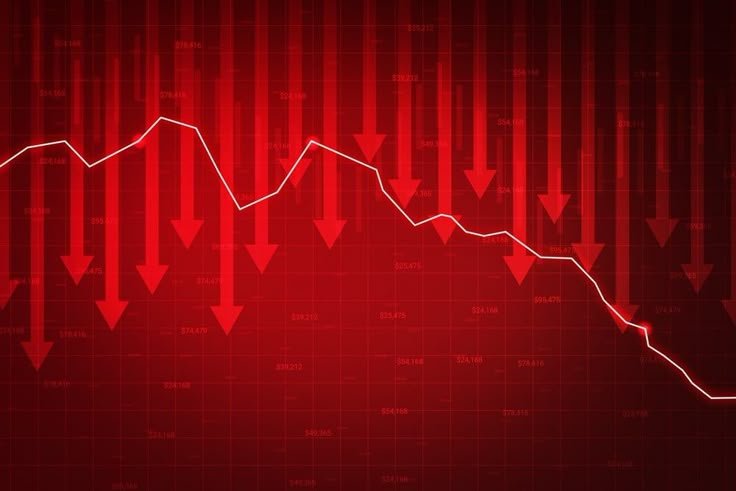
Silver prices dropped by more than 5% during intraday trading, marking a significant fall. The decline followed a consistent downward trend over recent sessions. Traders exited positions quickly as bearish sentiment strengthened.
Market participants reacted to signals from global financial systems. Rising bond yields and a strong dollar made silver less attractive. Investors avoided holding non-yielding assets and shifted capital toward safer or higher-return options. This rapid movement intensified the price fall.
Strong Dollar Reduces Global Demand
The US dollar gained strength against several global currencies, which directly impacted silver prices. A stronger dollar increases the cost of silver for international buyers. This price shift reduces demand in key importing countries.
Currency fluctuations influenced trading decisions significantly. Investors monitored exchange rates closely and adjusted their positions accordingly. As the dollar strengthened, silver demand weakened further, adding pressure on prices.
Interest Rate Fears Weigh on Silver
Expectations of higher interest rates created a challenging environment for silver. Central banks signaled tighter monetary policies to control inflation. These signals encouraged investors to move toward interest-bearing assets.
Silver does not offer fixed returns like bonds or savings instruments. Therefore, rising rates reduce its investment appeal. Traders reduced exposure to silver and increased allocations in assets that benefit from higher rates. This shift contributed heavily to the ongoing decline.
Industrial Demand Faces Uncertainty
Silver plays a crucial role in industries such as electronics, solar energy, and manufacturing. However, concerns about economic slowdown affected industrial demand. Companies reduced procurement expectations due to uncertain growth outlook.
Manufacturers adopted a cautious approach toward raw material purchases. This behavior reduced immediate demand for silver. Lower industrial consumption added another layer of pressure on prices.
Broader Sell-Off in Precious Metals
The decline in silver prices occurred alongside a broader sell-off in precious metals. Gold, platinum, and palladium also recorded losses. This trend reflected a coordinated move away from metals.
Institutional investors adjusted portfolios during this period. Many funds reduced exposure to commodities and increased holdings in cash or energy assets. This large-scale reallocation amplified the downward pressure on silver prices.
Technical Signals Accelerate Decline
Technical indicators played a key role in accelerating the fall. Silver prices broke important support levels, which triggered automated selling. Trading algorithms responded quickly to these signals.
Stop-loss orders activated across global exchanges. This chain reaction increased selling volume and pushed prices down further. Short-term traders followed momentum signals and added to the bearish trend.
Impact on Indian Market
Indian markets reflected the global decline immediately. Silver prices dropped sharply across major cities such as Delhi, Mumbai, and Chennai. Traders reported significant price corrections within a short period.
Retail demand slowed as consumers waited for stability. Jewelry and investment buyers postponed purchases due to uncertainty. However, some long-term investors viewed the decline as an opportunity to enter the market at lower prices.
Investor Sentiment Turns Negative
Investor sentiment shifted toward caution and pessimism. Analysts observed strong bearish signals in the market. Many traders expect continued volatility in the short term.
Market participants now focus on economic indicators and central bank decisions. Currency movements and inflation data will influence future price trends. Investors remain alert and adjust strategies based on new developments.
Comparison with Gold Movement
Silver often follows gold trends, but it tends to show higher volatility. In this situation, silver declined faster than gold due to its dual role as an industrial and investment metal.
Gold retained some support due to its safe-haven status. Silver, however, faced pressure from both investment outflows and weak industrial demand. This difference explains the sharper decline in silver prices.
What Lies Ahead for Silver
Future price direction depends on multiple factors, including global economic growth, interest rates, and industrial demand. A recovery in manufacturing activity could support silver prices.
If central banks slow down rate hikes, investor interest in metals may return. However, continued tightening could extend the current downtrend. Traders should monitor macroeconomic signals closely.
Conclusion
Silver prices experienced a sharp fall on March 23, 2026, driven by strong dollar performance and rising interest rate expectations. Weak industrial demand and heavy selling pressure added to the decline.
This situation highlights the sensitivity of silver to both economic and financial factors. Investors must stay informed and flexible while navigating such volatile conditions. Silver still holds long-term value, but current market dynamics require careful decision-making.
Also Read – Fear and Greed Cycles in Stock Market Investing