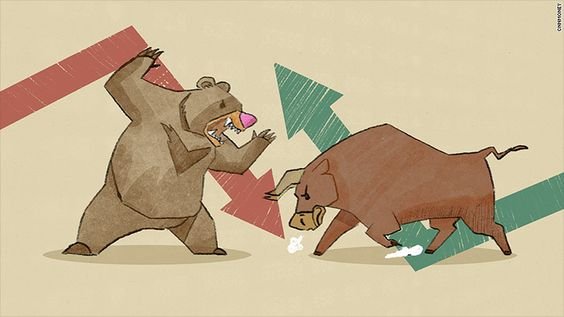
The U.S. stock market in July 2025 is at a fascinating crossroads. On the one hand, it is hitting record highs, driven by surging corporate earnings, explosive growth in artificial intelligence (AI), and renewed investor confidence. On the other hand, warning signals are flashing, including stretched valuations, geopolitical tensions, and concerns about delayed interest rate cuts.
This article provides a comprehensive 2000-word deep dive into the current landscape of the U.S. stock market, analyzing trends, performance drivers, market risks, economic indicators, and what investors should expect next.
1. Current Market Snapshot: Indices at Record Highs
As of July 21, 2025, the major indices are sitting near all-time highs:
-
S&P 500 (SPY): 628.77 (+0.17%)
-
Nasdaq 100 (QQQ): 564.17 (+0.50%)
-
Dow Jones (DIA): 443.44 (+0.03%)
While the broader market continues its uptrend, the Russell 2000 index of small-cap stocks is lagging, highlighting an increasingly narrow rally led by mega-cap tech and AI-focused companies.
Performance Summary:
| Index | 1-Month Change | YTD Performance | Key Driver |
|---|---|---|---|
| S&P 500 | +5.2% | +18.5% | AI & Earnings |
| Nasdaq 100 | +7.8% | +23.3% | Tech & AI |
| Dow Jones | +3.6% | +10.1% | Financials & Industrials |
| Russell 2000 | -0.4% | +4.2% | Weak small-cap sentiment |
2. Key Drivers Behind the Rally
a. Explosive Earnings Growth
Over 80% of the S&P 500 companies that have reported Q2 earnings have exceeded analyst expectations. Corporations like Verizon, Qualcomm, and Cleveland-Cliffs posted better-than-expected numbers, reinforcing investor optimism.
Even more critical are the upcoming earnings from tech giants Alphabet, Amazon, Tesla, and Apple, all scheduled to report in the coming week. These reports could either fuel the rally or spark a correction if results disappoint.
b. AI Mega-Cap Dominance
The AI narrative continues to be a dominant force in market movements. The “Magnificent Seven” — Nvidia, Apple, Microsoft, Meta, Alphabet, Amazon, and Tesla — have driven over 70% of the Nasdaq’s gains in 2025.
A recent ETF tracking these giants saw a 35% rise in Q2 alone, illustrating their gravitational pull on the rest of the market. The hype is justified, with Nvidia’s chips powering everything from ChatGPT to robotics and autonomous vehicles.
c. Corporate Stock Buybacks
According to Citadel Securities, U.S. companies are set to repurchase over $1 trillion in shares in 2025. This wave of buybacks is providing a structural floor under stock prices while signaling strong internal confidence among boards and executives.
d. Resilient U.S. Economy
Despite global economic concerns, the U.S. economy remains robust, with unemployment below 4%, inflation easing, and GDP forecast to grow by 2.4% in 2025. This gives investors room to stay risk-on.
3. Technical & Sentiment Indicators
a. Relative Strength Index (RSI)
The S&P 500 RSI is hovering around 72 — traditionally a sign of overbought conditions. However, in bull runs like these, elevated RSIs can persist.
b. VIX (Volatility Index)
The VIX is trading near 17, indicating low market fear but also complacency. In past cycles, similar levels preceded brief pullbacks or corrections.
c. Investor Sentiment
HSBC’s sentiment indicator shows increased risk appetite, with retail and institutional investors reducing cash allocations and increasing exposure to equities, particularly tech.
4. Sectoral Performance Breakdown
| Sector | July Return (%) | YTD Return (%) | Notes |
|---|---|---|---|
| Technology | +9.2% | +29.8% | AI growth & earnings momentum |
| Financials | +3.1% | +11.4% | Rate stability supportive |
| Healthcare | +1.5% | +8.9% | Defensive positioning |
| Industrials | +4.6% | +13.5% | Infrastructure spending boost |
| Consumer Goods | -0.8% | +4.1% | Inflation dampening consumption |
5. Risks on the Horizon
a. Tech Bubble Fears
Some analysts are warning that the current AI-driven rally may be entering bubble territory, especially with Nvidia and Microsoft trading at historically high P/E multiples.
b. Geopolitical Tensions
Ongoing tensions between the U.S. and China over semiconductors and Taiwan continue to cast shadows on global supply chains. A potential escalation could derail tech stocks.
c. Federal Reserve Uncertainty
The Fed has signaled no imminent rate cuts, citing sticky inflation. Markets may have overpriced optimism on rate reductions, which could backfire if inflation ticks up again.
d. Valuation Concerns
The S&P 500 is now trading at a forward P/E of around 22x, which is significantly above the 10-year average of 17x. Historically, such high valuations precede market corrections or prolonged sideways moves.
6. Economic Indicators to Watch
| Indicator | Current Level | Trend | Market Interpretation |
|---|---|---|---|
| CPI Inflation | 3.0% YoY | Falling slowly | Fed likely to stay cautious |
| Unemployment Rate | 3.7% | Stable | Supports consumer confidence |
| Fed Funds Rate | 5.25–5.50% | Flat | High borrowing costs persist |
| Manufacturing PMI | 50.8 | Neutral | Stabilizing after contraction |
7. Earnings Season Watchlist
This week, earnings from the following companies will be pivotal:
| Company | Sector | Importance |
|---|---|---|
| Alphabet | Tech | Ad revenue + AI outlook |
| Tesla | Auto/Tech | Margin pressures, Cybertruck sales |
| Amazon | E-commerce | Cloud performance, AWS margin |
| Apple | Hardware | iPhone sales + Vision Pro updates |
Any misses in these earnings could trigger short-term corrections across the broader indices, especially Nasdaq.
8. Market Breadth & Participation
Despite strong index levels, only about 52% of S&P 500 stocks are above their 50-day moving average, which suggests narrow market leadership. This imbalance often precedes corrections, particularly when investor enthusiasm remains high.
9. Institutional Outlook
JPMorgan:
“Overcrowding in high-beta stocks like Palantir and Coinbase makes them vulnerable. We recommend rotating into value and defensive names.”
Goldman Sachs:
“AI growth is real, but valuations are overheating. Expect volatility in Q3 unless earnings justify current prices.”
Bank of America:
“Investor cash levels are at multi-decade lows—often a contrarian signal indicating a pullback is near.”
10. Strategies for Investors
Given the current backdrop, here are some strategies for navigating the market:
a. Diversification Is Key
Avoid overexposure to mega-cap tech. Consider sectors like industrials, healthcare, and financials for balance.
b. Hedge Your Bets
Use options or inverse ETFs to protect gains. Tools like SQQQ or VIXY can help hedge Nasdaq and volatility risk.
c. Focus on Fundamentals
Prioritize stocks with:
-
Strong balance sheets
-
Consistent cash flows
-
Reasonable P/E ratios
-
Scalable business models
d. Stay Nimble
With major earnings reports, Fed commentary, and macro data all due in the next few weeks, maintain liquidity and avoid overly concentrated positions.
11. Upcoming Events to Track
| Date | Event | Impact Potential |
|---|---|---|
| July 23 | Alphabet & Tesla Earnings | High |
| July 25 | U.S. Jobless Claims & Durable Goods | Medium |
| July 26 | Apple & Amazon Earnings | High |
| Aug 1 | Tariff Policy Decision | Very High |
| Aug 5 | Fed Meeting Minutes Release | High |
12. Final Word: Bullish Momentum with Caution
The U.S. stock market in July 2025 is a mix of strength and vulnerability. Earnings and economic data support the bullish case, but valuation, geopolitical, and liquidity risks loom large.
In such a dynamic environment, investors must avoid overconfidence and stick to disciplined, diversified strategies. The AI boom may be the future, but long-term success will belong to those who remain flexible, informed, and risk-aware.