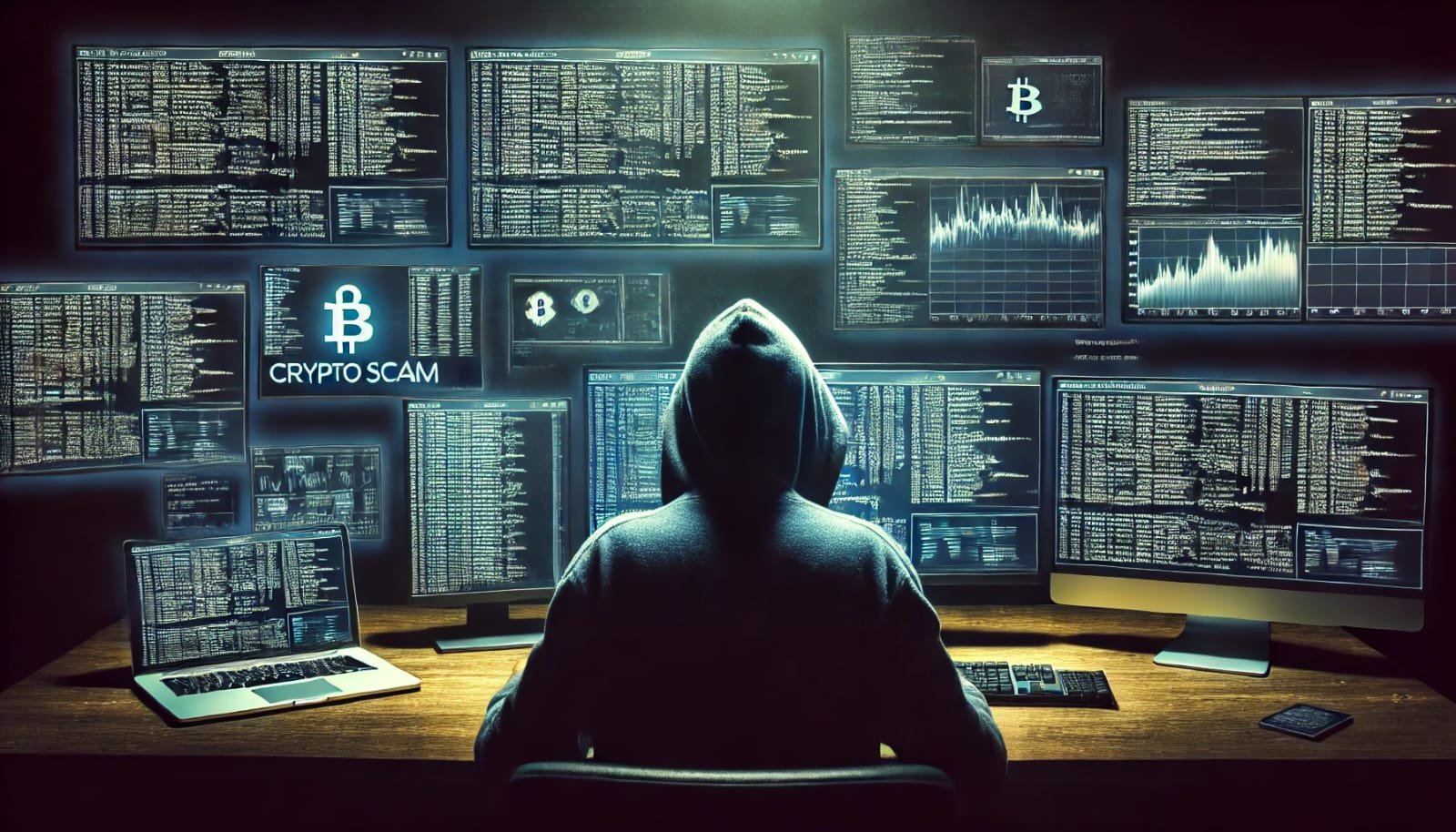
The foreign exchange (forex) market is often described as the most liquid, transparent market in the world. But beneath its trillions of dollars in daily trades lies a murky underworld of offshore brokers, shell companies, and secretive money flows. That reality came crashing into the open when a series of offshore forex data leaks revealed how unregulated brokers and global elites exploited loopholes to launder money, dodge regulations, and cheat retail traders.
Much like the Panama Papers or Pandora Papers, these leaks weren’t just about hidden accounts—they provided a rare glimpse into how offshore forex networks function as pipelines for both profit and corruption.
1. What Was the Offshore Forex Data Leak?
The scandal refers to a trove of leaked documents, emails, and transaction records from offshore forex brokerages, law firms, and shell-company registries. Investigative journalists found that these firms:
-
Offered ultra-high leverage (1:500 or more) outside regulatory limits.
-
Created anonymous trading accounts for clients in tax havens.
-
Facilitated money laundering under the guise of forex trades.
-
Manipulated price feeds to tilt trades against unsuspecting retail clients.
In effect, the leak showed that offshore forex hubs were not neutral brokers, but profit centers for elites, cartels, and organized crime.
2. Why Offshore Brokers?
Traders and institutions turn to offshore brokers for several reasons:
-
Light or no regulation: Loopholes allow practices banned in Europe or the U.S.
-
Anonymity: Offshore firms often avoid strict KYC (Know Your Customer) checks.
-
Tax avoidance: Profits routed through shell companies are hidden from home authorities.
-
Unlimited leverage: Offshore accounts offer risk levels banned in regulated markets.
But the same features that attract traders also make these firms ideal tools for criminals.
3. What the Leaks Revealed
The leaked files highlighted several major abuses:
-
Shell-company trading rings: Networks of companies placed artificial trades to launder money across borders.
-
Broker-dealer collusion: Offshore firms shared client data, pooled liquidity, and engaged in spread manipulation.
-
Client exploitation: Price slippage and “stop hunting” were used deliberately to drain retail accounts.
-
Cartel connections: Some accounts linked back to drug traffickers and oligarchs moving dirty money under the radar.
-
Political exposure: Names of politicians and state-linked actors surfaced in account registries.
The revelations painted offshore forex as less about investing—and more about financial engineering for the wealthy and well-connected.
4. The Panama Papers Connection
Some of the same law firms that appeared in the Panama Papers also turned up in the forex leaks. They specialized in setting up anonymous companies that could hold broker accounts, shielding real owners.
-
Example: A shell in the British Virgin Islands might “own” a forex account in Belize.
-
Funds move in and out via fictitious “consulting fees.”
-
On paper, the money looks like trading profits, not drug cash or bribe money.
This crossover suggested that offshore forex was just another chapter in the global offshore secrecy industry.
5. Retail Traders as the Collateral Damage
For everyday traders, the leak was sobering. Offshore brokers marketed themselves with promises of tight spreads, fast execution, and high leverage. But the data showed:
-
Order manipulation: Trades were rerouted internally, never reaching real markets.
-
Delayed executions: Brokers intentionally slowed orders during volatile moves.
-
Bonus traps: Deposit bonuses came with conditions designed to lock clients into losing trades.
In short, retail traders were playing a rigged game, while the house pocketed the losses.
6. How Money Laundering Worked Through Forex
Investigators found a classic laundering cycle:
-
Dirty money deposited in small amounts via multiple shells.
-
Funds “traded” in forex accounts with fake or low-risk positions.
-
Money withdrawn as “trading profits” to clean bank accounts.
By layering transactions across currencies and jurisdictions, cartels and oligarchs could erase the original trail.
7. Regulatory Fallout
The leaks triggered investigations in the EU, U.S., and Asia. Regulators responded by:
-
Blacklisting certain offshore brokers.
-
Tightening AML (anti-money laundering) checks on cross-border forex flows.
-
Warning retail traders against unregulated offshore platforms.
-
Imposing fines on banks that facilitated wire transfers linked to these accounts.
Still, enforcement remains patchy. Many offshore brokers continue to operate from jurisdictions where regulators have little reach.
8. The Global Impact
The offshore forex leak scandal had wide-ranging consequences:
-
For banks: Increased scrutiny on correspondent banking relationships.
-
For governments: Proof that capital flight often moves through forex channels.
-
For traders: A wake-up call to avoid flashy, offshore promises.
-
For regulators: Pressure to expand oversight beyond domestic borders.
It also underscored how the forex market’s size and opacity make it a perfect cloak for illicit finance.
9. Lessons from the Scandal
-
Transparency matters: Without disclosure, forex accounts can double as black boxes.
-
Global coordination is needed: National regulators can’t police offshore networks alone.
-
Retail caution: If a broker is offering extreme leverage and exotic bonuses, it’s a red flag.
-
Tech as oversight: AI-driven transaction monitoring may help spot laundering patterns in massive forex flows.
10. The Future of Offshore Forex
Despite scandals, offshore forex isn’t going away. In fact, it’s expanding into:
-
Crypto-fiat hybrids: where brokers offer bitcoin/forex pairs, further obscuring flows.
-
New havens: shifting from Caribbean centers to Africa and Southeast Asia.
-
Integration with shadow banking: as hedge funds and private networks quietly plug into offshore liquidity pools.
Unless regulators find a way to pierce secrecy, offshore forex will remain both a haven for speculation and a weapon for crime.
Conclusion
The offshore forex data leak scandal exposed a hidden layer of the financial system where secrecy, manipulation, and laundering thrive. For cartels and elites, offshore forex provided both a playground and a shield. For retail traders, it was a trap. For regulators, it was proof that currency markets are as vulnerable to abuse as any financial sector.
The lesson is simple: when markets move offshore, accountability goes with them.
ALSO READ: Ray Dalio’s macro plays