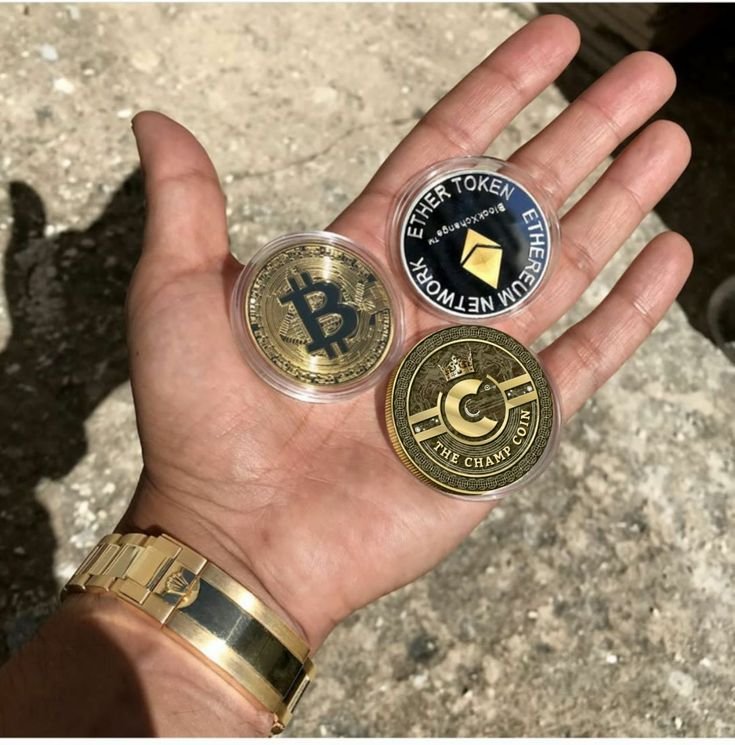
Vijayadashami marks the victory of good over evil. People light effigies of Ravana and celebrate the strength of truth. The same story plays out in today’s crypto world. On one side, good coins grow because they bring real innovation, solve real problems, and build communities with trust. On the other side, evil frauds hide behind hype, fake promises, and stolen money.
Crypto markets change fast. Honest builders and scammers both fight for attention. Investors who do not understand the difference often lose money. Vijayadashami teaches us that light always defeats darkness when people stay alert and united. In the same way, crypto investors must learn how to separate good coins from evil frauds.
This article explains how to do that. I will show you the latest market data, the recent enforcement actions against scams, the checklist to identify good projects, and the red flags that always expose frauds. Think of this as a Vijayadashami playbook for the modern Rama who wants to protect wealth and defeat deception.
1. Why Vijayadashami matters in crypto
The Ramayana shows that Rama defeated Ravana only because he saw clearly and acted with courage. Investors can follow the same wisdom.
Scammers in crypto wear masks. They promise huge returns. They pay influencers to spread hype. They create complex yield farms and new tokens that sound advanced but have no real use. Many people get trapped because they trust blindly.
Vijayadashami reminds us that truth wins when you ask questions, test the facts, and work together. In crypto, that means:
-
Study the project before investing.
-
Demand transparency.
-
Join communities that value honesty.
-
Expose frauds when you see them.
Treat every new token as an untested Ravana. Do not believe it until you see clear proof of value.
2. Current market snapshot
Crypto markets run hot in 2025. Bitcoin trades above $118,000, and Ethereum crosses $3,200 after strong inflows into spot ETFs. Institutional investors continue to add digital assets to their portfolios. Citigroup recently adjusted its outlook — it raised Ethereum targets because of ETF demand, while giving a slightly cautious view on Bitcoin peaks.
This rally excites traders, but it also excites scammers. Every bull run in crypto creates thousands of fake tokens and rug pulls. Fraudsters know that people get greedy when they see green charts. They copy real projects, create fake websites, and push people into buying worthless tokens.
Vijayadashami wisdom tells us: do not let greed cloud your judgment. If you invest during a market surge, double-check every token with care.
3. Recent actions against frauds
The good news is that authorities now fight back harder than ever before.
-
Interpol operations this year froze hundreds of crypto wallets connected to global fraud networks. Investigators recovered millions of dollars and stopped criminals from moving funds into fiat banks.
-
European agencies arrested suspects behind a fraud scheme worth more than €100 million. The scam fooled investors across multiple countries, but police traced the money on-chain and seized assets.
-
India’s Financial Intelligence Unit (FIU) sent notices to 25 offshore crypto exchanges for failing to follow anti-money laundering rules. These exchanges allowed Indian users without proper checks. Now they face penalties and restrictions.
-
Social media hacks continue to push scams. Criminals hijacked verified celebrity accounts to promote fake tokens and airdrops. Thousands of users lost money within minutes.
These wins prove one fact: investigators can track blockchain money trails. When regulators close loopholes and cooperate, fraudsters lose their hiding places.
4. Good coins vs. evil frauds: clear differences
Investors often ask: “How do I know if a coin is real or a fraud?” The answer lies in patterns.
Signs of a good coin
-
The team shows their names, experience, and addresses tough questions in public.
-
The project solves a real problem like payments, security, or digital ownership.
-
The token supply is clear. No secret minting or hidden admin keys.
-
Independent audits exist, and developers fix the issues.
-
The community talks about technology and use cases, not only about price.
-
The token trades on multiple reliable exchanges with decent liquidity.
Signs of an evil fraud
-
The team hides behind fake names and refuses audits.
-
The tokenomics allow infinite minting or sudden changes by insiders.
-
Social media hype drives the project, not real utility.
-
Promises of 100x returns or unrealistic yield percentages.
-
The project traps funds with lockups and no withdrawal options.
-
Token distribution shows whales holding 70–80% supply.
Vijayadashami tells us to burn deception. In crypto, that means rejecting projects that fit the fraud pattern.
5. Quick checks before you invest
You can test any coin in less than five minutes:
-
Open a block explorer. Check if the contract has owner-only privileges. If yes, risk is high.
-
Look at the liquidity pool. If developers control the liquidity tokens, they can rug pull.
-
Read audit summaries. Look for real fixes, not just fancy PDFs.
-
Search online for enforcement news or scam alerts about the project.
-
Check the top wallets. If only a few wallets hold the majority of tokens, expect manipulation.
Do this before you buy. It will save you from 90% of frauds.
6. Community as Rama’s army
Rama did not fight Ravana alone. He built an army. Crypto investors also need armies of honest builders, researchers, and communities.
-
Independent auditors share reports.
-
White-hat hackers expose bugs before criminals use them.
-
Communities call out fake claims and warn others.
-
Exchanges tighten listing rules when users demand it.
Fraud survives only in silence. Communities that unite, report, and educate can cut off scams before they grow.
7. Regulation: striking a balance
Governments across the world now debate how to regulate crypto. Some countries support innovation and create clear frameworks. Others focus on strict controls to reduce risks.
India takes a cautious path. The Reserve Bank of India remains skeptical, but regulators increase pressure on exchanges to follow anti-money laundering rules. The FIU notices to 25 offshore exchanges show that India will not tolerate shadow platforms anymore.
This balance matters. Too much restriction kills innovation. Too little control invites fraud. The right balance allows good coins to grow while evil frauds get punished.
8. Lessons from recent scams
Every big fraud teaches a lesson:
-
Large-scale scams that launder through banks get exposed faster because investigators now combine blockchain data with bank intelligence.
-
Cross-border crimes can no longer hide. Agencies like Eurojust and Interpol now coordinate and share evidence.
-
Social media platforms must strengthen account security. Hackers use verified accounts to fool people, and many scams succeed only because users trust familiar faces.
The lesson: always verify information, even when it comes from a big name.
9. A Vijayadashami playbook for crypto investors
Use this five-step playbook like Rama’s bow:
-
Inspect the enemy. Study token contracts, audits, and distributions.
-
Sharpen your weapon. Learn basic on-chain tools and follow trusted researchers.
-
Build your army. Join honest communities and share scam alerts.
-
Cut escape routes. Support regulations that stop criminals from using banks and exchanges.
-
Celebrate the win. When frauds get exposed, share the story. Every small win strengthens the ecosystem.
10. How to invest safely this season
Festivals often bring higher market activity. If you plan to invest during Vijayadashami season, stay safe:
-
Put only a small part of your portfolio in new or experimental tokens.
-
Keep most funds in reliable assets like Bitcoin or Ethereum.
-
Use hardware wallets to store coins.
-
Enable two-factor authentication on all accounts.
-
Never click on suspicious links, even if they come from celebrity handles.
-
Report scams to exchanges or regulators quickly.
When you celebrate the festival, also celebrate the discipline that keeps your wealth safe.
11. Industry responsibilities
Exchanges, auditors, and regulators must also act like Rama:
-
Exchanges should check projects deeply before listing and remove clear scams fast.
-
Auditors must publish reports with remediation details.
-
Regulators should create clear rules so that investors know their rights and fraudsters know their risks.
Only with shared responsibility can the ecosystem grow strong.
12. Final lesson: keep your mind sharp
Vijayadashami reminds us that good always wins, but only when people fight with courage and wisdom. Crypto has the same truth. Good coins with real utility, transparent teams, and strong communities will survive. Evil frauds may shine for a short time, but they collapse under their own lies.
As an investor, your role is simple:
-
Ask questions.
-
Verify every claim.
-
Support honest projects.
-
Expose scams when you see them.
When you do this, you become the modern Rama in the digital battlefield. You protect your wealth, you guide your community, and you make sure that in crypto, like in the Ramayana, truth and light always win.
Also Read – The East India Company as an early corporate giant