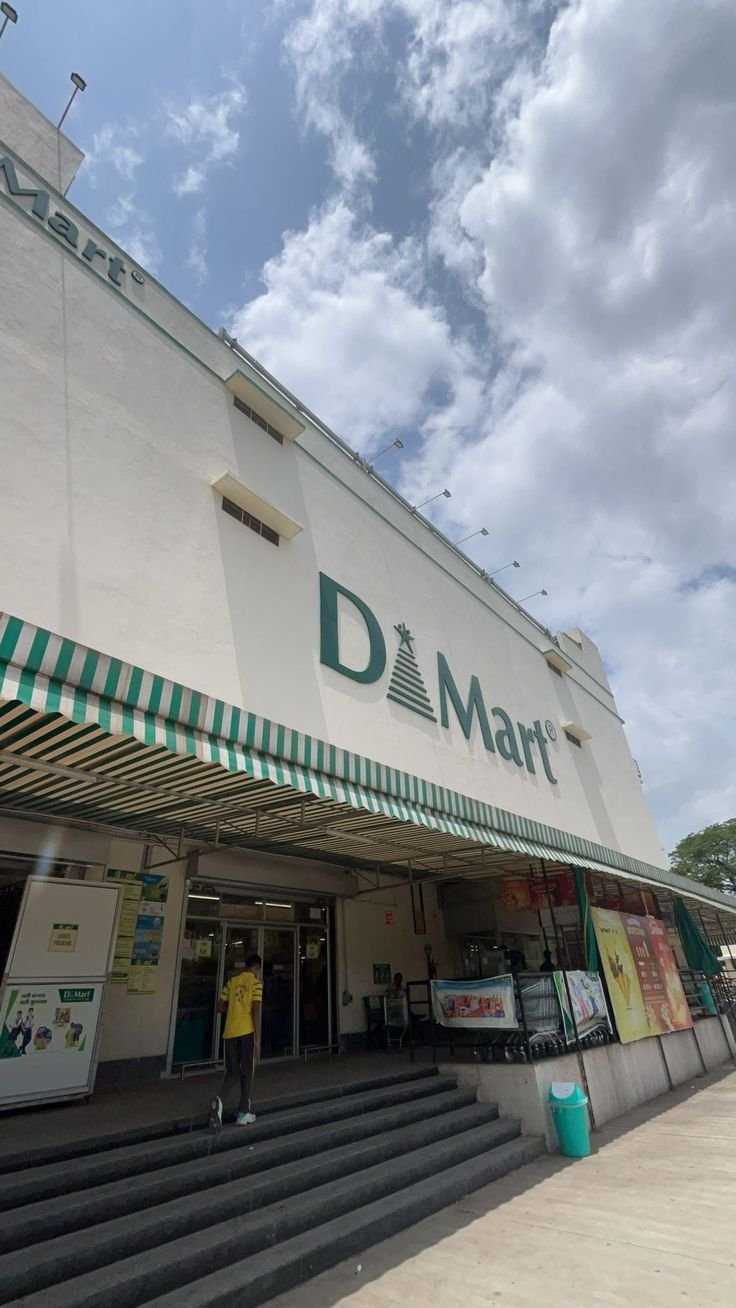
Avenue Supermarts Ltd, the company behind the retail chain D-Mart, released its financial results for the second quarter of FY26 (July–September 2025). The numbers tell a story of steady growth, strategic expansion, and cost pressure management in a challenging retail environment. While revenue showed impressive double-digit growth, profit growth remained modest due to rising expenses and shrinking margins.
Strong Revenue Growth Driven by Store Expansion
D-Mart reported consolidated revenue from operations of ₹16,676.3 crore in Q2 FY26, marking a robust 15.4% year-on-year increase. The company continued to benefit from its expanding store network, efficient supply chain, and strong consumer loyalty. The growth came primarily from higher footfall across existing stores and contributions from newly opened outlets.
During the quarter, D-Mart added eight new stores, taking its total count to 432 stores as of September 30, 2025. The company has maintained its strategy of opening stores in high-demand urban and semi-urban markets. Each new location focuses on providing customers with value pricing, bulk discounts, and a convenient shopping experience. D-Mart’s business model relies heavily on owning rather than renting store spaces, which gives it a cost advantage in the long run.
The strong top-line growth reflects D-Mart’s ability to attract customers despite inflationary pressures and changing consumption patterns. The company continues to strengthen its presence in grocery, FMCG, apparel, and home essentials—its key revenue drivers.
Profit Growth Slows as Costs Rise
Despite the 15% surge in revenue, D-Mart’s consolidated net profit increased only by 3.8% year-on-year, reaching ₹684.85 crore. The slower profit growth highlights the growing pressure on margins due to rising costs. Total expenses rose 16% to ₹15,751.08 crore during the quarter, outpacing the increase in revenue.
The company’s cost structure includes expenses related to employee benefits, logistics, electricity, rent, and inventory management. As D-Mart continues to open new stores, initial setup and staffing costs have increased. In addition, higher freight costs and supplier price adjustments affected operating margins.
The EBITDA (Earnings Before Interest, Tax, Depreciation, and Amortization) for the quarter stood at ₹1,214 crore, up 11% from ₹1,094 crore in the same period last year. However, the EBITDA margin fell to 7.3% from 7.6% last year. Similarly, the PAT margin dropped to 4.1% from 4.6%, indicating that profitability did not keep pace with revenue growth.
D-Mart’s management has often emphasized its focus on long-term customer value rather than short-term margin expansion. The company prefers to maintain low prices to drive higher sales volumes, even if it means lower margins in the short term.
Sales Momentum Across Product Categories
The retail chain saw broad-based sales growth across most product categories. Food and grocery items continued to dominate the sales mix, supported by festive demand and steady consumption in essential goods. The FMCG segment performed well, driven by both private labels and national brands. Home and personal care products also contributed meaningfully to revenue growth.
D-Mart’s apparel and general merchandise segments saw moderate growth, as consumers prioritized essential spending in an inflationary environment. The company’s in-house brands continued to perform well, helping improve cost control and brand recall.
Seasonal and festival-led demand in September helped the company register higher average transaction values and better customer footfall. D-Mart’s value proposition—offering everyday low prices—remained the key attraction for middle-class households and budget-conscious shoppers.
Efficiency and Operational Highlights
Operational efficiency has always been a cornerstone of D-Mart’s strategy. The company follows a tightly integrated supply chain model that minimizes wastage and ensures product availability across all stores. The management continues to focus on improving inventory turnover and reducing working capital days.
D-Mart’s emphasis on owning store properties instead of leasing them continues to provide a strategic edge. This model keeps long-term costs stable, especially in an environment of rising rental rates. It also enhances flexibility in store management and allows the company to reinvest savings into expansion and technology upgrades.
Digital transformation also plays a growing role in D-Mart’s operations. The company has invested in data analytics and process automation to streamline procurement, logistics, and customer management. These technological improvements support its goal of maintaining cost efficiency while expanding scale.
D-Mart Ready: The Online Arm
D-Mart’s online business, D-Mart Ready, continues to evolve as part of its omnichannel strategy. The platform allows customers to order groceries and essentials online, with delivery or store pickup options. The company has expanded the online service footprint gradually, focusing on select urban markets to ensure operational sustainability.
In FY25, D-Mart Ready’s revenue grew by around 21%, reaching ₹3,502 crore. Although the online segment remains a smaller contributor to total revenue, it plays a strategic role in capturing digital-savvy urban consumers. However, losses in the online vertical widened due to increased investment in technology, fulfillment centers, and last-mile delivery infrastructure.
The management continues to view D-Mart Ready as a long-term investment rather than a short-term profit driver. The company believes that seamless integration between offline and online channels will strengthen customer loyalty and expand its reach.
Market Reaction and Investor Sentiment
Following the results, D-Mart’s shares showed mild weakness, slipping over 1% despite posting its strongest Q2 revenue growth in four years. The market reacted to the narrowing margins and slower profit growth, even as revenue performance exceeded expectations. Analysts expect the company to maintain its growth trajectory but advise caution due to cost pressures and margin volatility.
Investors remain optimistic about D-Mart’s long-term prospects. The company’s debt-free balance sheet, strong cash flow, and disciplined expansion strategy position it well for sustainable growth. Market analysts believe that the near-term profitability dip reflects temporary inflationary pressures rather than structural weakness.
Strategic Outlook for FY26
Looking ahead, D-Mart plans to continue expanding its store base across India. The management remains confident in the underlying strength of India’s retail consumption story, especially in the value retail segment. The focus will stay on increasing operational efficiency, optimizing product assortment, and expanding in both metro and non-metro locations.
D-Mart also plans to enhance private label penetration across key categories. Private labels not only improve margins but also strengthen brand control and customer loyalty. The company will likely invest more in supply chain infrastructure and technology to support its growing store network.
Inflation remains a key factor that could influence consumer spending patterns in the coming quarters. However, D-Mart’s consistent pricing strategy and focus on essentials make it relatively resilient compared to other retail players. The company’s expansion into new geographies will also help diversify risk and capture untapped demand.
Key Takeaways
D-Mart’s Q2 FY26 results showcase a business that continues to grow steadily while navigating cost challenges. The strong 15% revenue growth demonstrates robust demand and effective execution of its expansion strategy. However, the modest 3.8% rise in net profit underscores the impact of rising expenses and narrowing margins.
The company’s long-term fundamentals remain sound. Its disciplined store rollout, customer-focused pricing, and efficient operations continue to reinforce its market leadership in India’s organized retail sector. While cost pressures may persist in the short term, D-Mart’s operational strength and strategic vision position it for sustained growth in the years ahead.
Also Read – Crypto Market Wiped Out $19 Billion After Trump’s Tariff Shock