Silver delivered one of the strongest commodity performances in 2025. Prices surged across global and Indian markets, driven by industrial demand, investor flows, supply constraints, and macroeconomic expectations. Indian buyers, traders, and policymakers felt the impact through record domestic prices, a sharp rise in imports, and intense volatility on futures exchanges. This article reviews silver’s full 2025 journey and presents grounded expectations for 2026, with a clear focus on India.
Silver’s overall performance in 2025
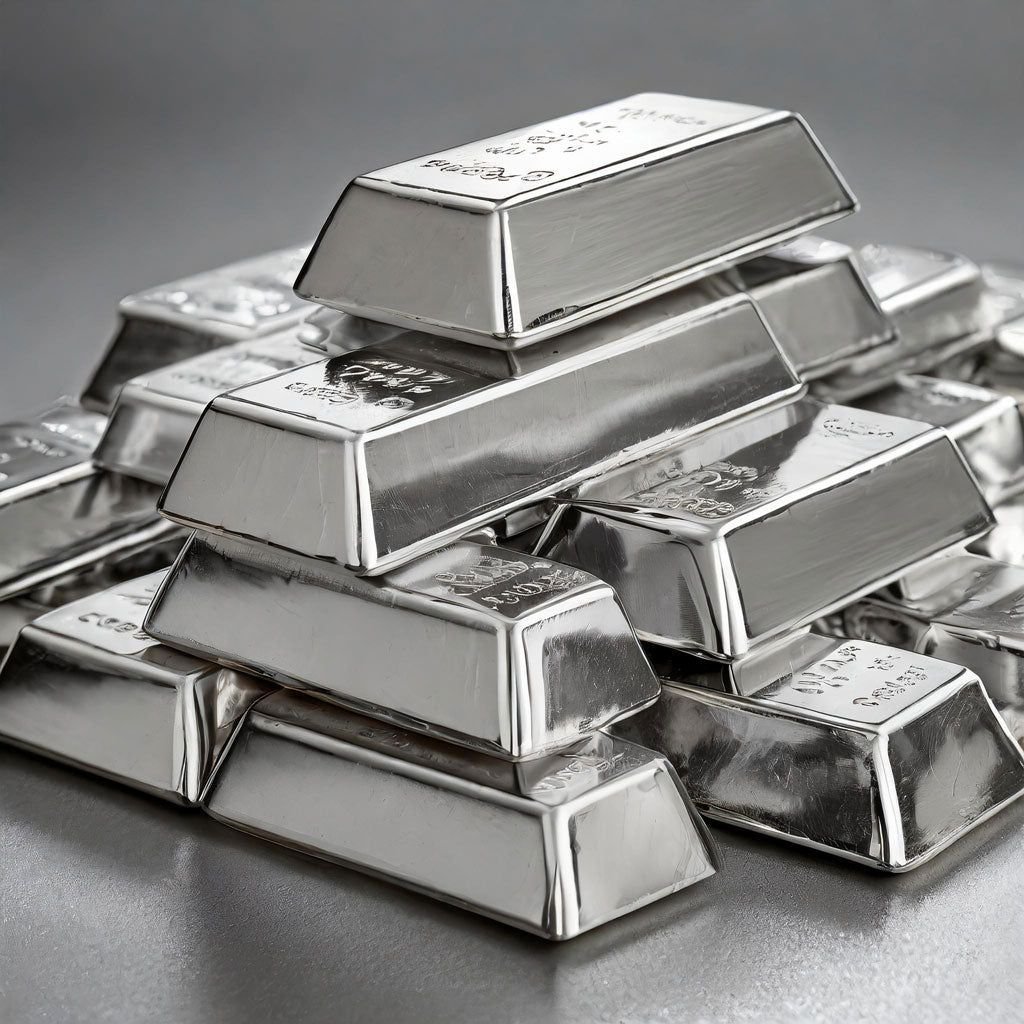
Silver entered 2025 as an undervalued metal compared with gold. By December, silver transformed into a top-performing asset. Global spot prices climbed into the high USD 70s per troy ounce during peak sessions. Indian prices crossed ₹2,00,000 per kilogram and briefly touched the ₹2,40,000–₹2,50,000 range in highly volatile trading days.
This move represented nearly a doubling of silver prices within a single calendar year. No other precious metal matched silver’s combination of price appreciation and trading volume growth in 2025. Investors reclassified silver from a secondary precious metal into a core portfolio asset.
Quarter-by-quarter breakdown of 2025
First quarter: Sentiment turns positive
Silver prices started climbing in early 2025 as investors reassessed inflation risks and slowing global growth. Traders increased allocations to real assets. Silver benefited from its lower price base compared with gold. Indian prices responded quickly as the rupee fluctuated and import costs rose.
Second quarter: Industrial demand adds momentum
During the second quarter, industrial consumption pushed prices higher. Manufacturers increased silver usage in electronics, automotive components, medical equipment, and solar panels. India’s electronics assembly sector and renewable energy projects added to physical demand. Market participants noticed tighter availability of refined silver.
Third quarter: Supply tightness becomes visible
By mid-2025, physical supply constraints surfaced clearly. Most silver production comes as a by-product of copper, zinc, and lead mining. Miners could not raise output quickly despite higher prices. Refiners and wholesalers in India reported longer delivery cycles and rising premiums over spot prices.
Fourth quarter: Acceleration and volatility
The final quarter produced the sharpest moves. Expectations of interest-rate cuts in 2026 weakened the US dollar and boosted precious metals. Exchange-traded products attracted heavy inflows, which removed large quantities of physical silver from circulation. Indian futures trading on the Multi Commodity Exchange of India recorded record turnover and margin requirements. Prices spiked rapidly, followed by sharp intraday corrections.
Key drivers behind the 2025 silver rally
1. Investor and ETF demand
After years of weak inflows, silver-backed investment products attracted strong buying interest in 2025. These products require physical metal backing, which tightened supply further. Investor demand amplified price movements far more aggressively than in gold markets because silver inventories remain smaller and less liquid.
2. Industrial consumption growth
Silver’s industrial role separates it from other precious metals. Demand rose from solar photovoltaic manufacturing, electric vehicles, semiconductors, and medical technology. India’s push toward renewable energy and electronics manufacturing added incremental demand throughout the year.
3. Structural supply limitations
Silver mining lacks flexibility. Producers extract most silver while mining other metals. Even with higher prices, miners cannot scale silver output rapidly. Recycling added limited supply but failed to offset rising consumption. This imbalance supported sustained price strength.
4. Macroeconomic expectations
Markets priced in interest-rate cuts for 2026. Lower expected real yields and a softer dollar created ideal conditions for precious metals. Silver benefited disproportionately because traders viewed it as both a hedge and a growth-linked commodity.
Indian market dynamics in 2025
Record domestic prices
Indian spot prices broke historical records multiple times during 2025. Retail and wholesale markets adjusted rapidly to global price movements. Volatility widened bid–ask spreads, especially during festival seasons and import-heavy months.
Surge in silver imports
India imported significantly more silver by value in 2025. In October alone, the silver import bill reached approximately USD 2.7 billion. High prices did not deter imports because industrial users and traders needed inventory coverage. These imports increased pressure on the trade balance and magnified rupee sensitivity to global price swings.
Jewelry and retail demand behavior
Jewelry demand showed mixed behavior. High prices reduced volume purchases but increased value sales. Many buyers shifted to lighter designs or postponed discretionary buying. Investment-oriented retail buyers continued accumulating silver bars and coins as a hedge against inflation and currency weakness.
Futures market intensity
Futures trading activity expanded sharply. Margin requirements increased, and intraday volatility challenged leveraged traders. Hedgers from jewelry and manufacturing sectors relied more heavily on futures to manage price risk.
Risks that emerged in 2025
Silver’s rally carried clear risks. Sharp price increases triggered profit booking from funds. Sudden currency moves amplified volatility in India. Any slowdown in global manufacturing posed a direct threat to silver’s industrial demand base. Traders remained alert to these downside factors even during bullish phases.
Silver price outlook for 2026
Base-case scenario
Silver consolidates after its extraordinary 2025 run. Prices hold well above pre-2025 averages but trade within a broad range. Global prices likely fluctuate between USD 40 and USD 65 per ounce for most of 2026. In India, prices remain elevated but volatile, with periodic spikes tied to import timing and currency moves. This scenario assumes gradual interest-rate cuts and stable industrial demand.
Bullish scenario
Silver revisits or exceeds late-2025 highs if central banks ease faster than expected or if solar and electronics demand accelerates further. Continued ETF accumulation could tighten physical supply again. Indian prices would remain extremely high, and imports would stay strong despite cost pressures. This scenario rewards long-term holders but carries extreme volatility.
Bearish scenario
Silver corrects sharply if inflation resurges or interest rates remain high for longer. A stronger dollar and slower industrial growth could trigger a 30–50 percent retracement from 2025 peaks. Indian premiums would compress quickly, and speculative positions would unwind. Even in this case, prices would likely stay above pre-2024 levels due to structural demand.
Strategic takeaways for Indian investors
Physical silver holders should consider staggered selling or partial hedging instead of all-or-nothing decisions. Futures and options traders must control leverage and respect volatility. Long-term investors should treat silver as a hybrid asset that responds to both macroeconomic shifts and industrial cycles. Monitoring import data, futures positioning, and industrial demand trends will remain critical throughout 2026.
Conclusion
Silver reshaped its market identity in 2025. The metal combined the appeal of a precious hedge with the strength of an industrial commodity. India experienced the rally through record prices, higher imports, and intense futures activity. For 2026, silver enters a new phase. Prices may cool, but the market now recognizes silver as a strategic asset rather than a speculative afterthought. Volatility will persist, yet silver’s long-term relevance in both investment portfolios and industrial supply chains looks stronger than ever.
Also Read – Holiday Volatility Puts SPAC III Acquisition Corp in the Spotlight