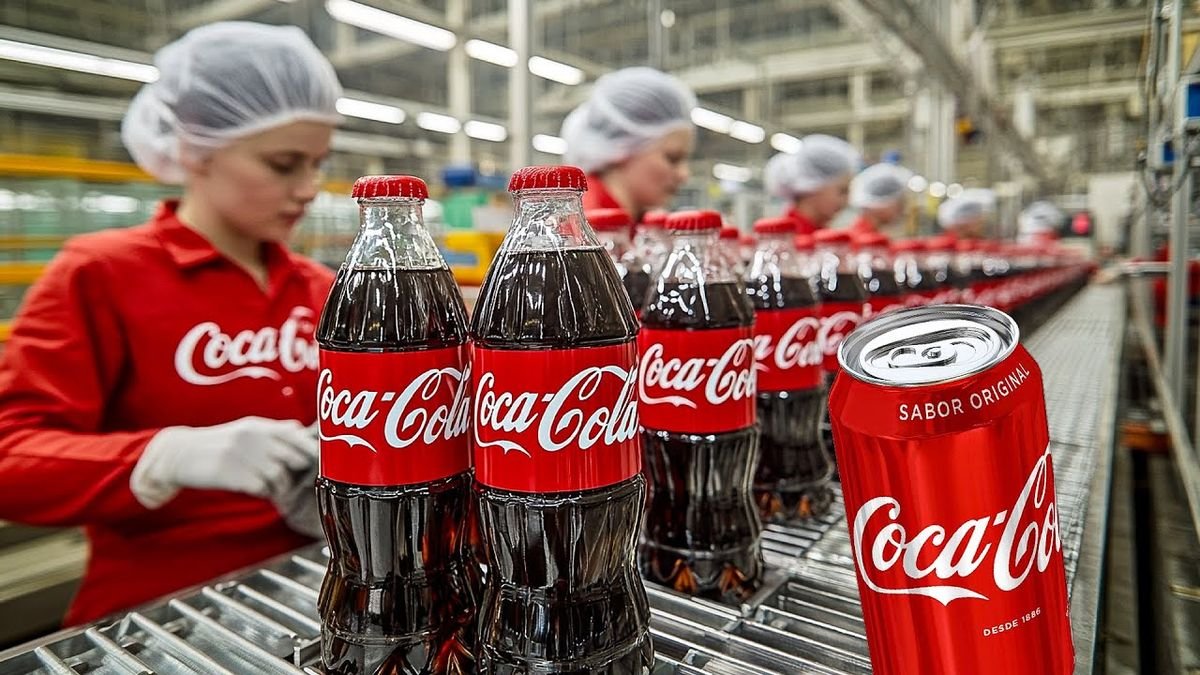
Coca-Cola is the world’s most recognizable beverage brand, consumed in nearly every country. Its red logo and signature formula symbolize modern consumer culture. Yet beneath its refreshing image lies a long-standing controversy: water rights.
As a company whose primary ingredient is water, Coca-Cola has been accused of over-extraction, pollution, and exploitation of scarce water resources—particularly in developing countries. Communities in India, Africa, and Latin America have accused the company of depleting aquifers, contaminating local supplies, and prioritizing profit over basic human needs.
This article explores Coca-Cola’s water rights issues, tracing major controversies, corporate sustainability pledges, and the broader ethical and environmental dilemmas surrounding water as a commodity.
Why Water Matters
- Water makes up 90–95% of Coca-Cola beverages.
- Each liter of Coke requires multiple liters of water to produce, including agricultural use for sugar.
- Water is not just a raw material but a human right, recognized by the United Nations.
As climate change and population growth strain water resources, corporations like Coca-Cola face scrutiny for how they access and use water.
Coca-Cola’s Global Footprint
- Operates in 200+ countries with hundreds of bottling plants.
- Relies on local water sources—often underground aquifers—for production.
- Agricultural supply chains (sugar, fruit, etc.) further increase water demand.
This global reach means Coca-Cola’s impact on water rights is both widespread and deeply localized.
Major Controversies
1. Plachimada, India (Kerala, 2000s)
- Coca-Cola set up a bottling plant in Plachimada in 2000.
- Within two years, villagers reported falling groundwater levels and polluted wells.
- Women and farmers led protests, accusing the plant of depleting drinking water and leaving fields barren.
- In 2004, the state government shut down the plant.
- After years of legal battles, a committee recommended Coca-Cola pay compensation for damages.
2. Uttar Pradesh, India (Varanasi & Mehdiganj)
- Similar protests arose in northern India, where Coca-Cola was accused of over-extraction in drought-prone areas.
- In 2014, authorities shut down a plant in Varanasi for environmental violations.
- Locals claimed Coca-Cola was taking water without fair compensation.
3. Rajasthan, India
- Coca-Cola faced accusations of overuse in one of India’s driest states.
- NGO reports suggested Coca-Cola plants extracted water in areas already facing scarcity.
4. Latin America (Mexico)
- Mexico is one of Coca-Cola’s largest markets.
- In Chiapas, bottling plants were accused of draining aquifers in indigenous communities already facing water shortages.
- Coca-Cola was criticized for selling bottled water at high prices in areas where public taps were dry.
5. Africa
- In countries like Tanzania and South Africa, Coca-Cola has faced criticism for prioritizing industrial water use over local needs.
- Communities argue that multinationals often get preferential access to scarce water resources.
Pollution Allegations
Beyond over-extraction, Coca-Cola has been accused of polluting local water supplies:
- Discharging wastewater into rivers and fields.
- Sludge from plants in India was found to contain heavy metals, raising health concerns.
- In some cases, sludge was distributed as fertilizer to farmers, leading to soil contamination.
Corporate Sustainability Pledges
Facing mounting criticism, Coca-Cola has made water stewardship a central part of its corporate responsibility strategy.
Key Commitments
- Water Neutrality (2010s): Coca-Cola pledged to “replenish” all water used in its beverages by 2020.
- Community Projects: Partnered with NGOs and governments on watershed restoration, rainwater harvesting, and sanitation projects.
- Efficiency Goals: Reduced water used per liter of beverage by improving plant efficiency.
Reported Achievements
- By 2015, Coca-Cola claimed to have met its replenishment goal five years early, offsetting nearly 100% of water used in beverages.
- Projects included river restoration in Africa, reforestation in Latin America, and rainwater harvesting in India.
Criticism of Pledges
- Accounting Loopholes: Activists argue replenishment figures include projects not directly linked to the water Coca-Cola extracts.
- Exclusion of Agricultural Water: Replenishment goals often exclude water used in sugarcane cultivation, a major component of Coca-Cola’s water footprint.
- Local vs. Global Balance: While global “neutrality” may be claimed, communities near plants may still face scarcity.
- Greenwashing Accusations: Critics see water pledges as PR moves that obscure ongoing local harms.
The Ethical Debate
1. Water as a Human Right vs. Commodity
- Should corporations be allowed to profit from water while nearby communities face shortages?
- Is bottled water a service or an exploitation of public resources?
2. Corporate vs. Community Needs
- Coca-Cola argues it provides jobs, taxes, and investment.
- Communities argue these benefits cannot outweigh the loss of basic water access.
3. Transparency and Accountability
- Audits of water use and replenishment often rely on company-funded studies.
- Independent monitoring is rare, raising questions about credibility.
Lessons for Corporations
- Local Engagement: Community consent is essential before tapping into scarce resources.
- True Accounting: Sustainability claims must include full supply chain water use, especially agriculture.
- Prioritization: In drought-prone areas, community needs should come before corporate production.
Lessons for Governments
- Enforce strict water-use regulations for multinationals.
- Ensure local communities have guaranteed access to drinking water before granting corporate licenses.
- Create transparent water-use audits accessible to the public.
Lessons for Consumers
- Awareness matters: boycotts and activism have pressured Coca-Cola in the past.
- Supporting sustainable beverage alternatives can shift market incentives.
- Consumers can demand stronger transparency from brands.
Broader Implications
Coca-Cola’s water controversies highlight a larger global issue: the clash between corporate water use and community rights. As climate change intensifies droughts, these conflicts will only grow.
The Coca-Cola case illustrates:
- The power imbalance between corporations and rural communities.
- The need for stronger international frameworks on water rights.
- The importance of treating water not as a commodity but as a shared resource essential to life.
Conclusion
Coca-Cola’s water rights issues reveal the hidden costs of a globally beloved brand. While the company has invested heavily in sustainability initiatives and proclaims water neutrality, communities from India to Mexico still accuse it of draining aquifers and polluting supplies.
The debate is bigger than Coca-Cola. It raises the fundamental question: who controls water in a world of growing scarcity? Corporations, governments, or the people who depend on it for survival?
For Coca-Cola, the path forward requires moving beyond global pledges to genuine local accountability, ensuring that communities where it operates are not left thirsting while the world enjoys its products.
ALSO READ: Likhitha Infra Q1 FY26: Profits Decline