
PayPal has taken a decisive step toward reshaping digital payments and stablecoins by applying for an industrial bank license in Utah for the entity that issues its stablecoin, PYUSD. This move signals PayPal’s ambition to gain greater control over its financial infrastructure while positioning PYUSD as a regulated, mainstream digital dollar. The decision reflects PayPal’s long-term strategy to integrate crypto directly into traditional financial systems rather than operate on the margins.
By pursuing a bank charter, PayPal seeks regulatory clarity, operational independence, and direct access to core banking functions. This application marks one of the most important developments in the stablecoin market, as a global payments giant pushes beyond partnerships and intermediaries.
Why a Bank License Matters for PayPal
A Utah industrial bank license allows a company to offer banking services without operating as a traditional commercial bank. Unlike full-scale banks, industrial banks can operate under state supervision while avoiding some federal constraints. This structure suits large corporations that want banking capabilities without becoming deposit-taking consumer banks.
For PayPal, this license would allow deeper integration between PYUSD, payments, savings, and settlement services. PayPal could manage reserves more efficiently, reduce reliance on third-party banks, and streamline how money moves across its ecosystem. This shift would strengthen PayPal’s control over compliance, liquidity, and transaction speed.
PayPal has always operated as a bridge between consumers, merchants, and financial institutions. A bank charter transforms that bridge into a foundation. Instead of depending entirely on external banks, PayPal could embed banking capabilities directly into its platform.
PYUSD as the Centerpiece of PayPal’s Crypto Strategy
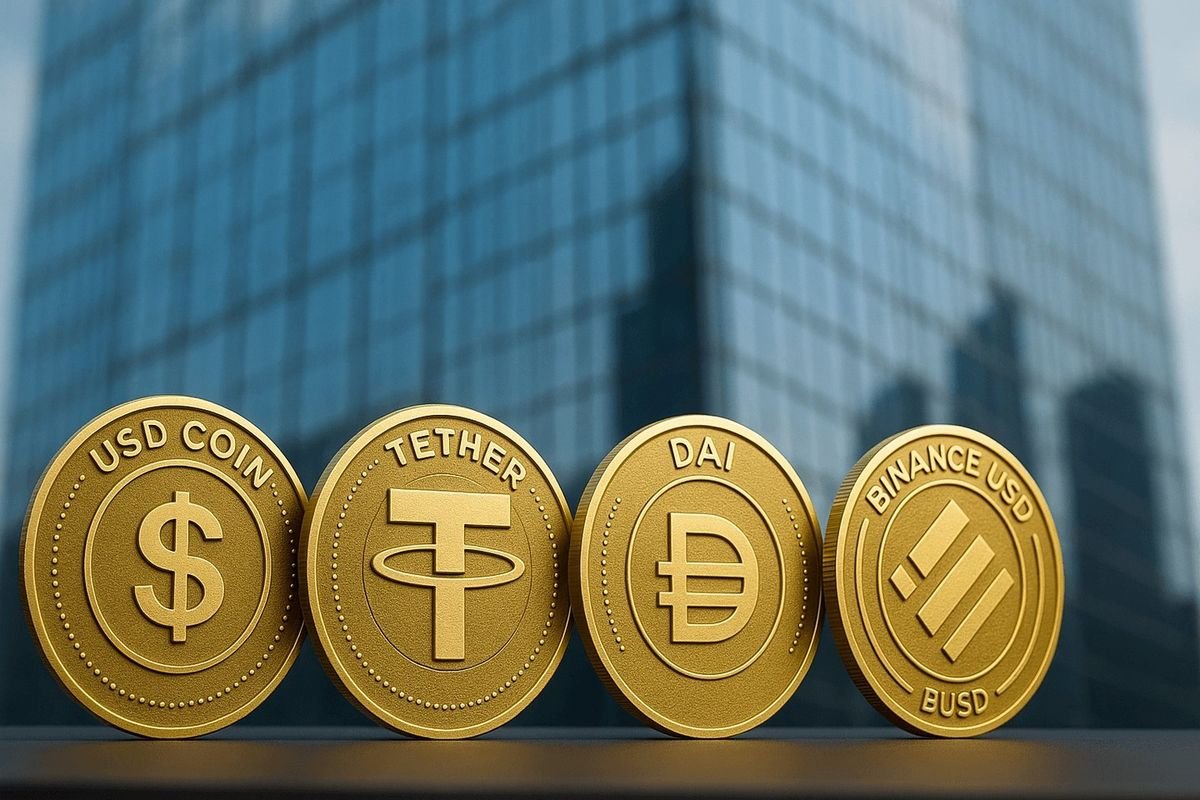
PayPal launched PYUSD to compete in the fast-growing stablecoin market dominated by USDT and USDC. Unlike many competitors, PayPal designed PYUSD for regulated use cases, mainstream adoption, and integration into everyday payments. The company backed the stablecoin with U.S. dollar deposits and short-term Treasuries to emphasize stability and trust.
The bank license application reinforces that philosophy. PayPal does not want PYUSD to function merely as a trading instrument. The company wants PYUSD to operate as programmable money for payments, remittances, merchant settlement, and future financial services.
With a bank charter, PayPal could hold PYUSD reserves directly under its own regulated structure. This change would reduce counterparty risk and increase transparency. It would also allow PayPal to respond faster to regulatory requirements and market stress.
Regulation Shapes the Future of Stablecoins
Governments around the world have increased scrutiny of stablecoins due to their growing role in payments and financial markets. Regulators worry about reserve management, systemic risk, and consumer protection. Many policymakers want stablecoin issuers to operate like banks or bank-adjacent institutions.
PayPal recognized this regulatory direction early. Instead of resisting oversight, the company chose to align with it. By applying for a bank license, PayPal sends a clear message to regulators: PYUSD will operate within established financial rules.
This approach differentiates PayPal from smaller crypto-native issuers that often rely on offshore structures. PayPal already operates under strict compliance regimes in multiple countries. Adding a bank charter extends that compliance framework rather than replacing it.
Strategic Advantages Over Other Stablecoin Issuers
Most stablecoin issuers rely on partner banks to hold reserves and process redemptions. That dependency creates bottlenecks and risks. If a partner bank faces stress or regulatory action, the stablecoin issuer feels immediate impact.
PayPal wants to eliminate that vulnerability. A bank license would allow PayPal to manage reserves internally, execute settlements directly, and maintain uninterrupted operations. This control could give PYUSD a significant competitive advantage during periods of market volatility.
PayPal also benefits from its massive user base. Millions of merchants and consumers already trust PayPal for payments. Integrating PYUSD into this network could accelerate adoption far faster than standalone crypto platforms.
Impact on Payments and Merchants
PayPal has always focused on merchant services. PYUSD fits naturally into that mission. With a bank charter, PayPal could offer merchants faster settlement, lower transaction costs, and programmable payment features.
Merchants could accept PYUSD and settle instantly without waiting for traditional banking hours. International sellers could avoid currency conversion delays and high fees. Smart contract capabilities could automate refunds, subscriptions, and escrow services.
These features move beyond speculative crypto use and toward real economic utility. PayPal aims to position PYUSD as infrastructure rather than an investment product.
Competition With Traditional Banks
PayPal’s bank license application blurs the line between fintech and banking. Traditional banks already face competition from digital wallets, payment apps, and neobanks. A regulated stablecoin backed by a major payments firm raises the stakes.
Banks may feel pressure to accelerate their own digital currency and tokenization strategies. Some banks already experiment with tokenized deposits and blockchain-based settlement. PayPal’s move could push the industry toward faster innovation.
However, PayPal does not aim to replace banks entirely. The company still relies on banking partners for many services. Instead, PayPal wants flexibility and resilience in a rapidly evolving financial landscape.
Risks and Challenges Ahead
Despite its advantages, PayPal faces challenges. Regulators will scrutinize the bank license application closely. Authorities will examine governance, risk management, cybersecurity, and reserve transparency.
PayPal must also manage public perception. Some users associate crypto with volatility and fraud. PayPal must continue to emphasize stability, compliance, and consumer protection.
Operational complexity presents another hurdle. Running a bank-regulated entity requires strict controls and constant oversight. PayPal must invest heavily in compliance infrastructure, talent, and reporting systems.
What This Means for the Crypto Industry
PayPal’s move signals a broader shift in crypto’s evolution. The industry has entered a phase of institutionalization. Large, regulated players now shape the future of digital assets more than startups alone.
If regulators approve the license, other payment giants and fintech firms may follow. Stablecoins could become standard tools for payments, treasury management, and cross-border commerce.
This trend may reduce speculative excess while increasing adoption. Crypto infrastructure could integrate directly into everyday financial systems rather than exist as a parallel economy.
A Long-Term Vision for Digital Money
PayPal has always focused on practical use cases. The bank license application aligns with that philosophy. PayPal wants PYUSD to serve as a digital extension of the U.S. dollar that moves instantly, operates globally, and integrates seamlessly with existing financial tools.
This vision requires regulation, trust, and scale. PayPal already possesses scale. The bank charter could provide the remaining pieces.
Conclusion: PayPal Redefines Stablecoin Credibility
By applying for a Utah industrial bank license, PayPal has made one of the boldest moves in the stablecoin space. The company has chosen regulation over ambiguity and infrastructure over hype. This decision strengthens PYUSD’s credibility and positions PayPal at the center of the next phase of digital finance.
If regulators approve the application, PayPal could set a new standard for how stablecoins operate within the global financial system. The line between traditional money and digital assets would continue to fade—and PayPal would stand at that intersection.
Also Read – ₹2,300 Crore Crypto Scam Exposed in Northern India