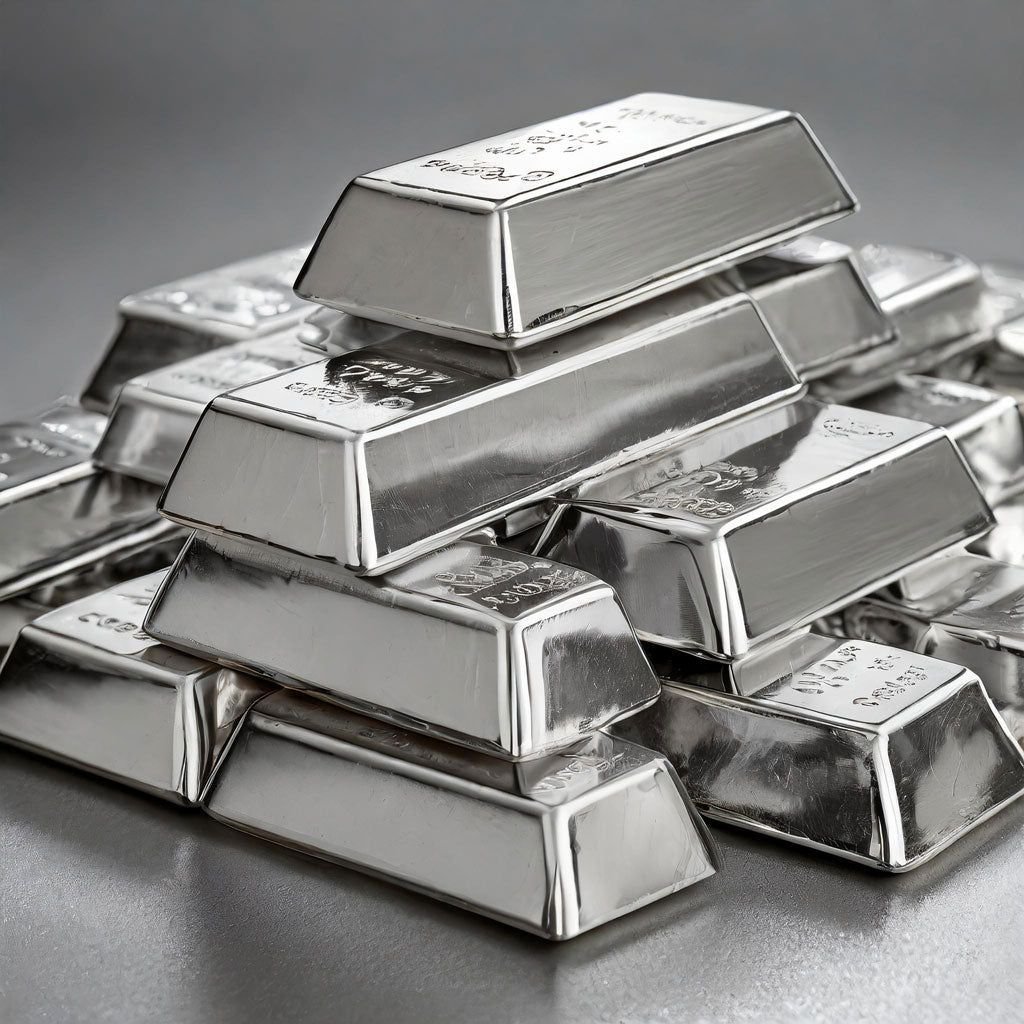
Silver prices surged to record highs in late December 2025 and grabbed global attention across commodity markets. Traders, investors, and industrial buyers reacted as silver crossed historic thresholds in both international and Indian futures markets. This rally did not emerge from speculation alone. Structural demand, constrained supply, macroeconomic shifts, and changing investor behavior together pushed silver into a new price regime.
Unlike short-lived commodity spikes, this silver rally reflected deep-rooted changes in how the global economy consumes, stores, and values the metal. Silver now sits at the intersection of finance, energy transition, and manufacturing growth, and markets responded accordingly.
A Historic Price Breakout
Silver prices climbed sharply during the final week of December 2025 and set fresh lifetime highs. Global futures markets recorded prices above USD 80 per ounce, while Indian futures crossed ₹2.5 lakh per kilogram. Traders described the move as decisive rather than speculative.
Price momentum accelerated after months of consolidation. Once silver breached long-term resistance levels, algorithmic trading, hedge funds, and retail investors added fresh positions. Volumes expanded rapidly, which confirmed strong conviction rather than thin liquidity-driven moves.
Market participants no longer treated silver as a secondary precious metal. The price action reflected silver’s evolving role as both an industrial necessity and a monetary asset.
Industrial Demand Drives Structural Strength
Industrial consumption provided the strongest foundation for silver’s rally. Solar energy manufacturers increased silver usage as global renewable capacity expanded at record speed. Each photovoltaic panel requires silver paste for efficient electricity conduction, and large-scale solar installations multiplied demand across Asia, Europe, and North America.
Electronics manufacturers also consumed more silver. Electric vehicles, advanced semiconductors, medical devices, and 5G infrastructure relied heavily on silver’s conductivity and durability. Manufacturers prioritized long-term supply contracts, which tightened availability in spot markets.
Unlike gold, silver serves as a consumable metal in many industries. Once manufacturers used silver, recycling offered limited short-term relief. This consumption pattern removed large quantities of metal from circulation and strengthened long-term price support.
Investment Demand Returns With Force
Investment demand surged alongside industrial usage. Investors turned to silver as inflation risks persisted and interest rate expectations shifted. Many investors viewed silver as undervalued relative to gold after years of underperformance.
Silver exchange-traded products recorded strong inflows during the second half of 2025. Retail participation increased sharply, especially in Asia, where investors sought diversification beyond equities and real estate. Coin and bar demand rose as well, which signaled long-term confidence rather than short-term trading.
Silver’s dual identity strengthened its appeal. Investors valued silver not only as a hedge against currency depreciation but also as a beneficiary of economic expansion and technological progress.
Supply Constraints Tighten the Market
Supply conditions failed to match rising demand. Mining output remained constrained due to years of underinvestment, regulatory delays, and declining ore grades. Many silver mines operate as byproducts of lead, zinc, or copper extraction, which limited producers’ ability to respond quickly to higher silver prices.
Geopolitical risks also disrupted mining operations in several regions. Environmental regulations increased compliance costs and slowed new project approvals. These factors restricted supply growth even as prices surged.
Refiners and wholesalers reported shrinking inventories. Spot market premiums widened, which signaled physical tightness rather than paper-driven speculation. This imbalance reinforced bullish sentiment across futures markets.
Macroeconomic Forces Add Momentum
Global macroeconomic conditions amplified silver’s rally. Expectations of monetary easing in major economies weakened currencies and improved the appeal of hard assets. Investors sought protection against fiscal deficits and rising public debt levels.
Silver benefited from its lower price point compared to gold. Retail investors found silver more accessible, which expanded participation during the rally. Currency volatility in emerging markets further boosted local demand for precious metals.
At the same time, commodity markets experienced renewed interest as investors diversified away from equity-heavy portfolios. Silver stood out due to its strong fundamentals and visible demand growth.
India’s Role in the Silver Surge
India played a crucial role in the 2025 silver rally. Industrial buyers increased imports to support renewable energy projects, electronics manufacturing, and jewelry production. Investment demand also remained strong as households viewed silver as a hedge against inflation and currency weakness.
Domestic futures markets reflected global trends while adding local momentum. High trading volumes indicated active participation from both institutional and retail investors. Jewelers and fabricators secured inventories early to protect margins amid rising prices.
India’s expanding manufacturing base ensured that silver demand extended beyond investment cycles and into long-term industrial planning.
How Silver Differs From Gold in This Rally
Silver’s rally differed fundamentally from gold’s performance. Gold relied heavily on safe-haven demand, while silver drew strength from both risk-on and defensive positioning. This combination reduced downside risks during market corrections.
Silver also displayed higher volatility, which attracted traders seeking momentum opportunities. However, the underlying demand reduced the likelihood of sharp collapses once prices stabilized.
The gold-silver ratio narrowed significantly during 2025, which confirmed silver’s relative strength. Many analysts viewed this shift as a structural reset rather than a temporary anomaly.
What This Means for Investors and Industry
For investors, silver’s breakout signaled a potential long-term revaluation. Price discovery entered a new phase as markets adjusted to sustained industrial demand and limited supply growth. Volatility remained high, but long-term trends favored strength rather than exhaustion.
For industries, higher silver prices increased input costs but also encouraged efficiency and innovation. Manufacturers explored alternative technologies, yet silver’s unique properties limited substitution in many applications.
Policy makers and commodity planners also monitored silver closely. Strategic stockpiling and recycling initiatives gained urgency as silver’s role in energy transition expanded.
Conclusion
Silver’s record-breaking rally in December 2025 marked more than a year-end price spike. It reflected a profound shift in how markets value the metal. Industrial expansion, energy transition, investment flows, and constrained supply converged to reshape silver’s future.
As silver continues to bridge the worlds of finance and manufacturing, its importance within global commodity markets will likely grow. The events of late 2025 may stand as the moment when silver finally stepped out of gold’s shadow and claimed its own place at the center of the global economy.