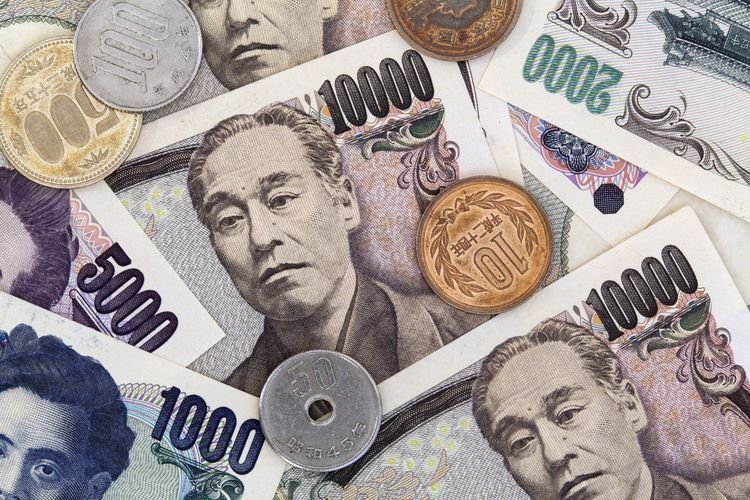
Japan’s largest labor union took a rare and direct stance on currency policy. Rengo publicly urged the Japanese government to stabilize the yen, citing growing pressure on household incomes, corporate wage negotiations, and long-term economic confidence. This call highlighted how foreign exchange volatility no longer concerns only traders and policymakers. Currency weakness now shapes everyday economic reality in Japan.
The yen’s prolonged depreciation has pushed import prices higher and eroded real wages. Workers feel the impact at grocery stores, utility bills, and fuel pumps. Rengo framed its demand as a defense of purchasing power rather than a technical forex debate. By doing so, the union elevated currency stability into a core social and political issue.
Why the Yen Matters to Workers
The yen plays a central role in Japan’s economic structure. A weaker currency raises export competitiveness, but it also increases the cost of imported goods. Japan relies heavily on imported energy, food, and raw materials. When the yen loses value, companies pass higher costs to consumers.
Workers experience this effect immediately. Wage growth in Japan has improved in nominal terms, but inflation driven by import prices has outpaced many pay increases. Rengo argued that yen weakness cancels out recent wage gains and undermines progress from annual labor negotiations. From the union’s perspective, currency stability supports sustainable wage growth and consumer confidence.
Inflation Pressure and Living Costs
Yen depreciation has intensified inflation pressure across Japan. Energy prices, in particular, respond sharply to exchange rate moves. Electricity and gas bills rise when the yen weakens against the dollar. Food prices also increase as importers adjust costs.
Rengo emphasized that households with fixed or modest incomes suffer the most. Pensioners, part-time workers, and young families face shrinking purchasing power. The union warned that persistent currency weakness could dampen consumption and slow domestic demand, which already struggles to recover momentum.
Government Responsibility and Public Expectations
Rengo directed its message squarely at the Japanese government. The union called for coordinated action to reduce excessive forex volatility and restore confidence in the yen. While Rengo acknowledged global factors behind currency moves, it stressed that domestic policy choices still matter.
The statement placed political pressure on policymakers to address currency weakness as a social issue. In Japan, labor unions traditionally focus on wages and working conditions. By speaking on forex stability, Rengo signaled that currency policy now affects labor outcomes directly.
Role of the Bank of Japan
Although Rengo addressed the government, its message carried clear implications for the central bank. The Bank of Japan controls monetary policy and influences currency trends through interest rates and asset purchases.
Japan’s ultra-loose monetary stance has contributed to yen weakness over recent years. While exporters benefited, households absorbed higher import costs. Rengo did not explicitly demand aggressive tightening, but it called for balance. The union wants policies that support growth without sacrificing currency stability.
Forex traders interpreted the statement as political backing for gradual policy normalization. Even subtle shifts in tone can influence expectations in currency markets.
Market Reaction and Forex Implications
The union’s comments added another layer of complexity to yen trading. Forex markets already price in interest rate differentials, global risk sentiment, and geopolitical factors. Labor pressure introduces a domestic political variable that traders cannot ignore.
After the statement, traders debated whether authorities might increase verbal intervention or adjust policy guidance. While Japan has avoided large-scale currency intervention recently, public concern strengthens the case for action if volatility accelerates. The yen’s path now depends not only on global dynamics but also on internal political tolerance for weakness.
Wage Negotiations and Currency Stability
Japan’s annual wage negotiations, known as “shunto,” form a cornerstone of labor relations. Rengo plays a leading role in coordinating demands across industries. The union argued that a stable yen supports productive wage talks by reducing uncertainty.
When inflation stems mainly from currency weakness rather than productivity gains, companies resist higher wages. Rengo fears that prolonged yen depreciation could stall momentum from recent pay increases. Currency stability, from the union’s view, enables a virtuous cycle of wages, spending, and growth.
Exporters Versus Households
Yen weakness creates winners and losers. Large exporters benefit from improved price competitiveness and higher overseas earnings when converted back into yen. However, small businesses and households often lose purchasing power.
Rengo’s statement implicitly challenged the export-first narrative. The union argued that Japan’s economy must balance corporate profits with household well-being. A currency that supports only exporters cannot deliver broad-based prosperity. This argument resonates with voters who feel disconnected from headline corporate earnings.
Political and Social Significance
The union’s call carried political weight. Labor organizations influence public opinion and electoral outcomes in Japan. By highlighting currency stability, Rengo framed the yen as a symbol of economic security.
This framing increases pressure on policymakers to respond visibly. Even if the government avoids direct intervention, officials may increase communication efforts to reassure the public. Clear messaging alone can reduce speculative pressure in forex markets.
Long-Term Economic Considerations
Japan faces structural challenges, including an aging population and slow productivity growth. Currency weakness cannot solve these issues on its own. Rengo’s stance reflects a broader desire for stable foundations rather than short-term boosts.
A stable yen can encourage investment, support consumer spending, and reduce uncertainty. While global forces limit government control, domestic credibility still matters. The union’s message underscored the importance of trust in economic management.
Outlook for the Yen
Rengo’s intervention marked a turning point in the public debate around Japan’s currency. Forex traders now factor labor sentiment into their analysis alongside macro data. While the union cannot dictate policy, its voice amplifies social costs that markets sometimes overlook.
If yen weakness persists, political pressure may intensify. Authorities could respond through guidance, coordination, or gradual policy adjustments. For now, the union’s call has reframed the yen not just as a trading instrument, but as a pillar of economic stability for Japanese households.
The message remains clear: currency stability matters beyond the trading floor.
Also Read – Is DeFi the Biggest Financial Scam or the Future?