Silver prices climbed to unprecedented levels in global markets on January 29, 2026, riding the powerful rally that also pushed gold to fresh record highs. Investors around the world shifted their money into precious metals as economic uncertainty, geopolitical tension, and a weakening U.S. dollar reshaped financial markets. Silver, often called the “poor man’s gold,” no longer played a secondary role. It emerged as a leading performer in the commodities space and captured the attention of traders, institutions, and retail investors alike.
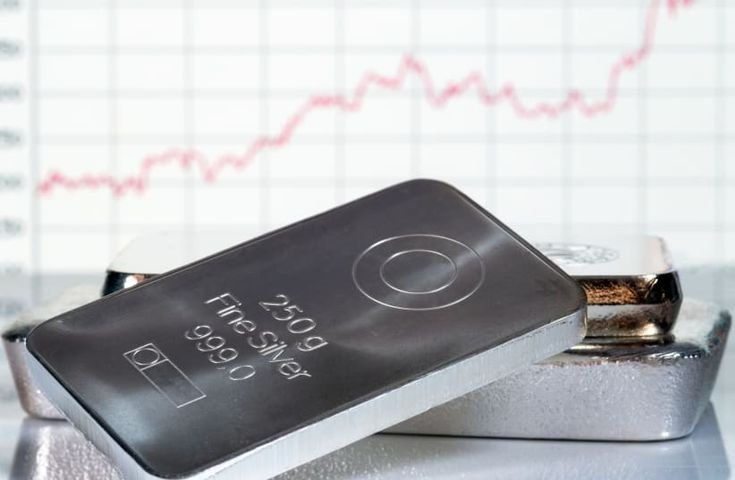
On international exchanges, silver touched nearly $120 per ounce, a level never seen before. The rally reflected a combination of financial fear and strong industrial demand. While gold traditionally attracts safe-haven buyers during periods of crisis, silver now benefits from a dual identity: it acts as both a monetary metal and a critical industrial input.
Investors Drive Demand for Safe Assets
Global investors turned defensive as concerns mounted over inflation, slowing economic growth, and political instability in several regions. Central banks across major economies signaled caution about interest rate policy, and currency markets reacted with sharp swings. The U.S. dollar weakened against major currencies, which increased the appeal of commodities priced in dollars, especially gold and silver.
Investors viewed silver as an affordable alternative to gold with higher growth potential. Large institutional funds increased their exposure to silver futures and exchange-traded funds (ETFs). Retail investors also entered the market aggressively, driven by headlines of record prices and fear of missing out on further gains.
Market analysts explained that silver attracts buyers whenever confidence in paper assets declines. Unlike stocks and bonds, silver carries intrinsic value and does not rely on corporate earnings or government policy for its worth. This perception strengthened demand during a time when equity markets showed high volatility.
Gold’s Rally Lifts Silver Higher
Gold’s historic rise provided another major boost to silver. As gold surged past new milestones, investors searched for metals that still appeared undervalued in comparison. Silver often follows gold’s direction but tends to move faster during strong bull markets. This pattern repeated in January 2026.
The gold-to-silver ratio, which measures how many ounces of silver equal one ounce of gold, began to narrow. This shift suggested that silver prices caught up rapidly after lagging behind gold in earlier months. Traders interpreted this movement as a signal that silver had entered a powerful catch-up phase.
Commodity strategists noted that silver’s momentum remained strong because both technical indicators and fundamentals supported higher prices. Charts showed consistent upward trends, while demand data confirmed growing consumption.
Industrial Demand Strengthens the Case for Silver
Silver differs from gold in one crucial way: industries use it extensively. Electronics manufacturers, solar panel producers, and electric vehicle companies depend on silver for its superior conductivity and durability. As global investment in renewable energy and advanced technology expanded, silver demand rose sharply.
Solar energy alone accounted for a significant portion of new silver consumption. Governments worldwide continued to push clean energy targets, which increased orders for photovoltaic panels that require silver components. At the same time, the electric vehicle market expanded rapidly, creating further pressure on supply.
These trends made silver more than just a crisis hedge. They transformed it into a growth commodity linked to long-term technological development. Investors who understood this dual role began to treat silver as a strategic asset rather than a short-term trade.
Supply Constraints Add Fuel to the Rally
While demand surged, supply growth struggled to keep pace. Mining companies faced higher production costs due to energy prices, labor shortages, and regulatory challenges. Several major silver-producing regions reported delays in expanding output.
Unlike gold, silver often comes as a by-product of mining other metals such as copper, lead, and zinc. This structure limits miners’ ability to increase silver supply quickly in response to rising prices. As a result, the market experienced tightness, which pushed prices even higher.
Traders also reduced inventories in key commodity hubs, reflecting expectations of continued demand. Lower stockpiles signaled that the market could face shortages if buying momentum continued.
Global Economic Uncertainty Shapes Sentiment
The broader economic environment played a critical role in silver’s surge. Inflation fears resurfaced as energy and food prices climbed in several regions. Political tensions and trade disputes added another layer of uncertainty to global commerce.
Financial markets reacted with caution. Stock indices showed mixed performance, and bond yields fluctuated sharply. In this atmosphere, precious metals appeared attractive because they offered protection against currency depreciation and economic shocks.
Silver’s sharp rise symbolized a shift in investor psychology. Market participants no longer viewed it as merely an industrial input but as a core component of defensive portfolios.
Impact on Emerging Markets and Local Prices
In countries such as India and China, silver prices rose dramatically in local currency terms. Currency weakness amplified the effect of international price increases. Jewelers, investors, and small traders rushed to buy silver as a store of value.
Indian markets reported silver prices crossing historic levels per kilogram, reflecting both global trends and strong domestic demand. Households traditionally use silver for savings and religious purposes, which strengthened buying interest during periods of uncertainty.
This global participation turned silver’s rally into a worldwide phenomenon rather than a localized market move.
What Analysts Expect Next
Analysts remain divided about how long the rally can last, but most agree that silver will remain volatile. Some predict further gains if geopolitical risks persist and industrial demand continues to grow. Others warn that profit-taking could trigger short-term corrections after such a rapid climb.
However, few expect a return to previous low price levels in the near future. Structural demand from renewable energy, combined with cautious monetary policies, creates a supportive environment for precious metals.
Investment banks and commodity research firms raised their price targets for silver, citing strong fundamentals and limited supply flexibility. They also advised investors to prepare for price swings as more participants enter the market.
A New Era for Silver
Silver’s surge in January 2026 marks a turning point for the metal. It no longer stands in gold’s shadow. Instead, it commands its own narrative driven by safety, technology, and scarcity.
The rally reflects deeper changes in the global economy. Investors seek assets that protect wealth and support future industries at the same time. Silver fits both roles perfectly.
As markets move through uncertainty and transformation, silver appears ready to remain at the center of attention. Whether as a hedge against instability or as a key material for modern technology, the metal has redefined its importance in the financial world.
In this new environment, silver does not simply follow gold—it leads its own charge toward record territory.
Also Read – How DeFi is Challenging Traditional Banking