A sharp selloff hit the precious metals market on Thursday, January 29, with gold prices crashing nearly 6% and silver tumbling over 8% from their record highs. The sudden reversal came after an extraordinary rally since the beginning of 2025, driven largely by speculative flows, safe-haven demand and aggressive positioning by traders.
US spot gold fell as much as 5.7% to $5,104.6 an ounce before trimming losses. From its all-time high of around $5,595, the metal is now down nearly 8%. At the time of reporting, spot gold was trading about 1.5% lower at $5,334 an ounce, while US gold futures for February delivery were down close to 2%.
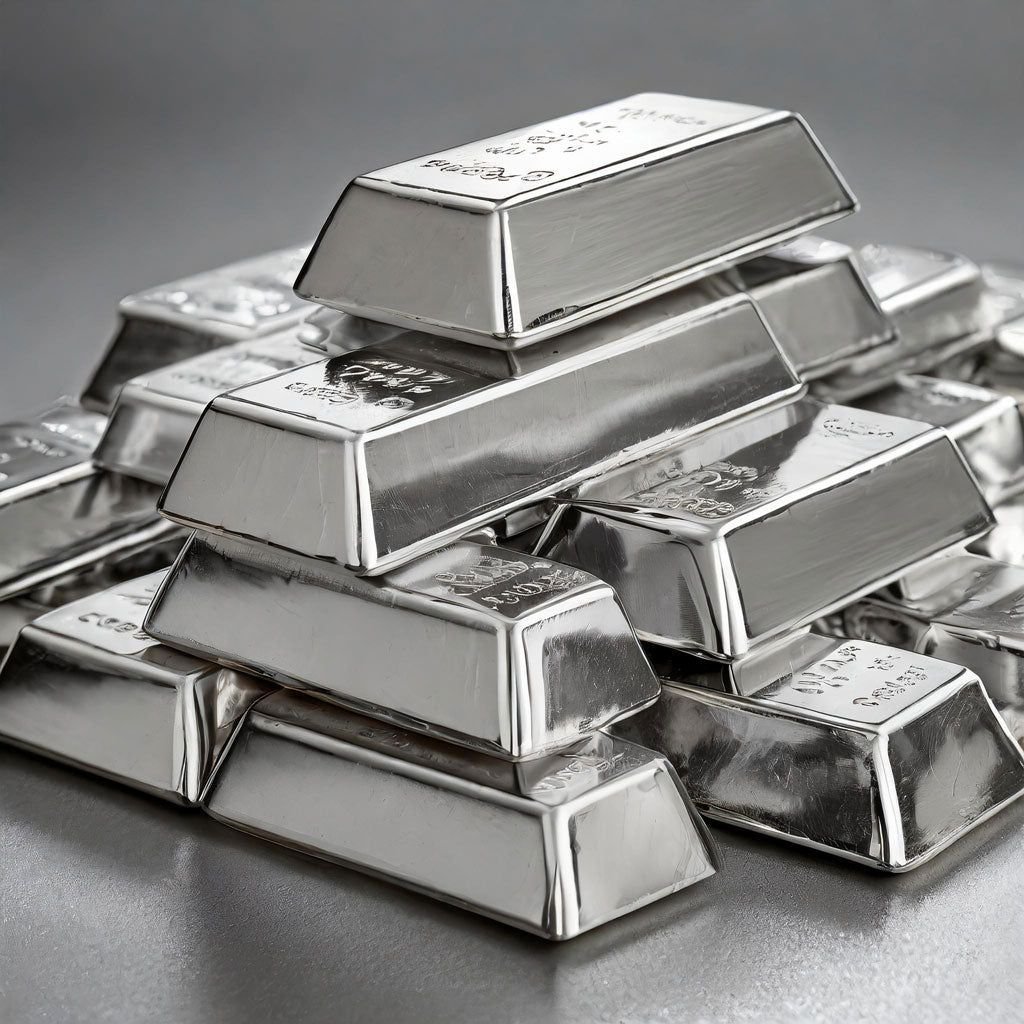
Silver saw an even steeper correction. US spot silver prices cracked more than 8% to $106.8 an ounce during the session before recovering part of the losses. The white metal was last trading about 1.5% lower.
What triggered the crash?
Analysts attribute the sharp decline to a combination of factors:
1. Profit booking after a parabolic rally
Gold has surged nearly 25% in January alone, while silver has jumped over 60% in the same period. In 2025 so far, gold is up about 65% and silver a massive 148%. Such vertical price moves often lead to profit-taking by institutional investors and traders, especially when momentum indicators turn overstretched.
“Given the frothiness in the markets and the dominance of flows over fundamentals, it does not need much for a correction,” said Julius Baer Group Ltd.’s Carsten Menke, as quoted by Bloomberg.
2. Stronger US dollar
The US dollar index moved higher, making gold and silver more expensive for holders of other currencies. Historically, a rising dollar exerts downward pressure on precious metals as investors shift funds toward dollar-denominated assets.
3. Equity market selloff spilling into commodities
Weakness in global stock markets triggered margin calls and forced liquidation across asset classes. As investors rushed to raise cash, even traditional safe-haven assets like gold were sold.
4. Speculative positioning in silver
WhiteOak Capital Mutual Fund highlighted that when silver begins to outperform gold with extreme velocity and parabolic price action, it often signals the final speculative phase of a rally. Historically, such phases end with sharp corrections that hurt late-stage investors.
What does this mean for investors?
Data suggests the rally in precious metals had become stretched and vulnerable to correction. Volatility indicators for silver and gold had reached multi-year highs, while trading volumes spiked sharply—both signs of speculative excess.
WhiteOak Capital advised investors not to chase the rally, noting that diversification is now a more prudent strategy than adding exposure at elevated levels. The fund house warned that silver’s rapid rise relative to gold typically marks the peak of enthusiasm before prices cool off.
Outlook
Despite the correction, analysts believe long-term fundamentals for gold remain supported by geopolitical uncertainty, central bank buying, and expectations of easier monetary policy later in the year. However, near-term price action is likely to remain volatile as markets digest the recent surge and reassess risk.
For Indian investors, experts recommend caution, staggered buying through systematic investment plans (SIPs) in gold ETFs, and maintaining balanced exposure across asset classes rather than betting heavily on a single theme.
In short, the crash serves as a reminder that even safe-haven assets are not immune to sharp corrections when rallies turn speculative and markets shift abruptly.
ALSO READ: Silver Breaks Records as Global Investors Rush to Safety