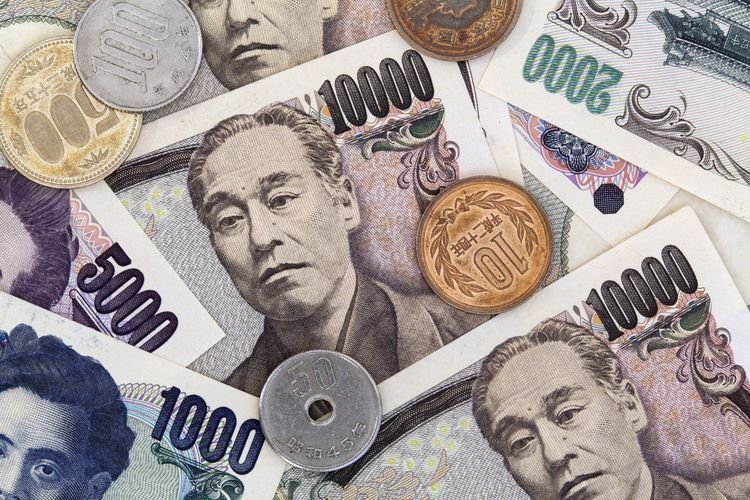
Japan delivered a clear message to currency markets at the end of January: authorities did not step into the foreign exchange market to support the yen. Data from the Ministry of Finance Japan showed zero spending on currency operations during the final weeks of the month, despite heavy volatility in the yen and renewed pressure from a strong US dollar.
This disclosure matters because Japan often uses market intervention as a last resort when sharp currency swings threaten financial stability. By confirming inaction, officials signaled confidence in their broader policy tools and emphasized communication over confrontation.
A volatile backdrop for the yen
The yen spent much of January under stress. Investors continued to favor the dollar as US interest rates stayed high and global risk appetite shifted toward American assets. Currency traders pushed USD/JPY toward levels that once triggered Japanese intervention in previous years.
Yet this time, authorities chose restraint. Instead of selling dollars and buying yen, Japan relied on warnings and verbal guidance. Officials repeated their stance that they would act against “excessive volatility” rather than against a specific exchange rate level.
This approach aimed to cool speculation without shocking markets. Traders closely watched daily flow data, and the confirmation of zero intervention removed uncertainty about hidden government activity.
Why Japan avoided intervention
Several factors explain why Japan stayed on the sidelines.
First, the yen’s decline unfolded in an orderly way. Markets did not experience panic or disorderly trading conditions. Policymakers saw no justification for emergency action when price movements followed global interest-rate trends.
Second, intervention carries political and diplomatic risks. Large-scale currency operations can attract criticism from trading partners, especially the United States, which monitors potential manipulation closely. By refraining from action, Japan reduced the risk of trade tensions.
Third, Japan wanted to preserve ammunition. Foreign exchange intervention works best when markets view it as exceptional. Frequent use weakens its impact. By holding back, Japan strengthened the credibility of future action if true instability emerges.
The role of monetary policy
Japan’s decision also connects to its unique monetary framework. While many central banks raised rates aggressively, Japan maintained ultra-loose policy for years and only recently began gradual normalization. This gap widened interest-rate differentials and weakened the yen.
Instead of direct market action, authorities leaned on policy guidance from the Bank of Japan. Governor statements stressed a careful exit from stimulus and a commitment to financial stability. Markets interpreted these comments as a longer-term path toward yen support rather than a short-term rescue.
In effect, Japan tried to influence expectations instead of prices. Officials wanted investors to believe that the yen would find balance as policy conditions slowly changed.
Market reaction
The confirmation of no intervention produced a mixed response. Some traders felt reassured. Transparency removed fears of surprise government action that could trigger sharp reversals. Others saw the news as a green light to continue selling the yen.
In the hours after the announcement, currency markets showed limited volatility. The yen did not surge or collapse. Instead, it traded in narrow ranges, reflecting a wait-and-see attitude.
Analysts described the move as a signal of discipline. Japan showed that it would not defend symbolic levels such as 150 or 155 per dollar without clear signs of market disorder.
Historical context
Japan holds a long history of currency intervention. During periods of extreme yen strength in the past, authorities sold yen to protect exporters. In more recent years, they bought yen to counter rapid depreciation.
The last major interventions occurred when the yen weakened sharply following global inflation shocks and widening interest-rate gaps. Those actions surprised markets and temporarily strengthened the currency.
By contrast, January’s decision showed a shift toward patience. Officials preferred to let fundamentals play out while keeping intervention as a backup tool.
International implications
Japan’s stance carries meaning beyond its borders. The yen remains one of the world’s most traded currencies and a key funding unit for carry trades. When Japan intervenes, ripple effects spread across Asia and global equity markets.
By confirming inaction, Japan reduced the risk of sudden currency shocks. This stability helped regional markets maintain calm during a period of uncertainty around US policy and Chinese economic data.
Other countries also watched closely. Emerging markets with fragile currencies often look to Japan’s strategy as a reference point. A restrained approach encourages reliance on macroeconomic tools instead of emergency measures.
Communication as policy
One of the most important lessons from this episode involves communication. Japan did not move money, but it moved words. Officials repeated their readiness to act and their concern about volatility. These statements shaped expectations and moderated speculation.
Clear data release strengthened credibility. The government did not allow rumors to dominate. It provided hard numbers that traders could trust. In modern markets, transparency can carry as much power as action.
This strategy aligns with global trends. Central banks increasingly use forward guidance and public statements to influence behavior. Japan applied the same logic to currency policy.
Risks ahead
Despite the calm response, risks remain. If the dollar continues to strengthen or if Japan’s inflation outlook weakens, pressure on the yen could intensify. At that point, verbal warnings may lose effectiveness.
Speculators may test authorities’ patience. Each new low in the yen raises questions about when Japan will finally intervene. The longer the government waits, the more dramatic future action may need to become.
Energy prices, geopolitical tensions, and US policy decisions will shape the next phase of yen trading. Japan must balance market freedom with financial stability.
What this means for traders and businesses
For traders, the message remains clear: Japan watches volatility, not levels. Sudden swings invite response; gradual trends do not. This understanding helps shape risk management strategies.
For exporters and importers, stability matters more than strength. A predictable yen supports planning and pricing. By avoiding intervention, Japan aimed to let companies adapt to market-driven exchange rates rather than artificial fixes.
For global investors, the episode highlighted Japan’s commitment to orderly markets. That reputation strengthens confidence in Tokyo as a financial center.
Conclusion
Japan’s confirmation of no forex intervention in late January sent a powerful signal of restraint and confidence. Authorities trusted market forces and policy guidance instead of emergency action. They protected credibility, avoided diplomatic friction, and kept intervention as a last resort.
This decision reflects a broader shift toward communication-driven policy. Japan chose patience over panic and transparency over surprise. As the yen continues to navigate global pressures, this strategy may define the country’s currency management in the months ahead.
In a world of fast-moving capital and fragile confidence, sometimes the strongest move involves not acting at all—but explaining why.
Also Read – How Zero-Knowledge Proofs Are Changing Blockchain