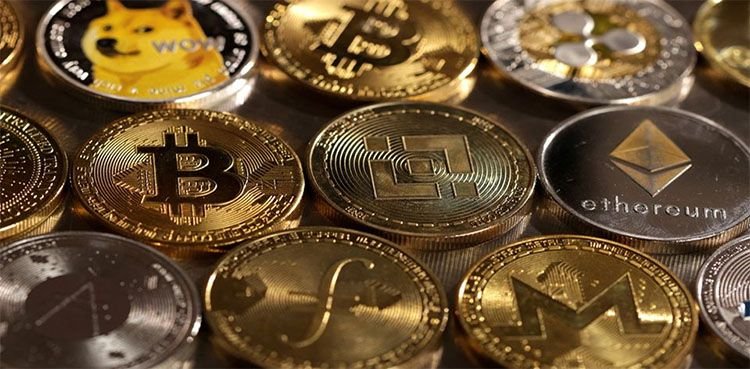
ING has taken a decisive step toward mainstream crypto adoption in Europe. The Dutch banking giant now allows retail customers in Germany to invest in Bitcoin, Ethereum, and Solana through exchange-traded products (ETPs). This move places one of Europe’s most established financial institutions directly inside the fast-evolving digital asset market and signals a growing acceptance of crypto as a legitimate investment class.
By opening access to crypto ETPs, ING bridges the gap between traditional finance and blockchain-based assets. German customers can now gain exposure to digital currencies using the same regulated investment infrastructure they already use for stocks and bonds. This decision reshapes how everyday investors interact with cryptocurrencies and reflects a wider shift in the European financial sector.
Why ING’s move matters
Banks once treated cryptocurrencies with caution or outright skepticism. Over the past decade, crypto markets matured, attracted institutional capital, and developed stronger regulatory frameworks in Europe. ING’s decision confirms that large banks no longer view crypto as a fringe experiment. Instead, they recognize it as a growing segment of global finance.
Germany provides a strategic testing ground for this expansion. The country maintains one of Europe’s most structured regulatory environments for digital assets. German investors also show strong interest in innovative financial products. By launching crypto ETPs there first, ING aligns innovation with regulatory clarity and customer demand.
This move also strengthens competition among European banks. As ING offers crypto exposure to retail clients, rival institutions now face pressure to introduce similar products or risk losing younger and tech-savvy customers.
What are crypto ETPs?
Crypto exchange-traded products track the price of an underlying digital asset without requiring investors to hold the coins directly. Customers buy and sell them through standard brokerage accounts. These products trade on regulated exchanges and follow strict compliance rules.
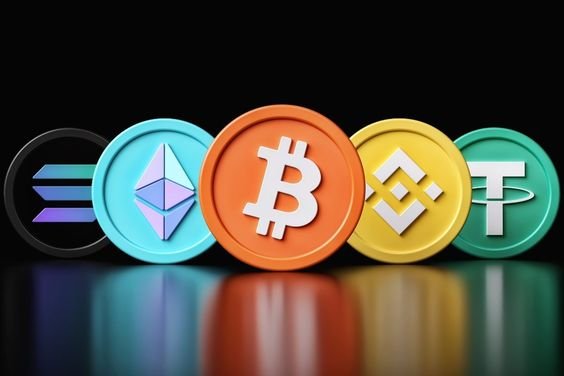
ING’s offering includes ETPs tied to:
-
Bitcoin – the largest and most recognized cryptocurrency
-
Ethereum – the leading smart-contract network
-
Solana – a fast and scalable blockchain ecosystem
Through ETPs, investors avoid managing private keys or digital wallets. They gain price exposure while using familiar investment tools. This structure reduces technical barriers and increases accessibility for the general public.
A regulated gateway to crypto
ING emphasizes regulation and risk disclosure in its rollout. The bank provides warnings about crypto volatility and market risks. It also restricts these products to exchanges that meet strict regulatory standards.
Germany’s financial regulator requires transparency and investor protection for all listed ETPs. ING uses this framework to offer crypto exposure in a controlled environment rather than through unregulated offshore platforms. This approach appeals to conservative investors who want crypto exposure without abandoning traditional financial safeguards.
For many customers, this option feels safer than opening accounts on standalone crypto exchanges. They can invest through a trusted bank brand that already manages their savings and retirement accounts.
Impact on retail investors
This launch changes how German retail investors approach digital assets. Instead of navigating complex exchanges, they can integrate crypto into diversified portfolios alongside equities and ETFs. This development may normalize crypto investing for middle-class households and long-term savers.
ETPs also allow investors to benefit from price movements without dealing with blockchain mechanics. That simplicity attracts users who want exposure but lack technical knowledge. As a result, crypto shifts from a niche hobby into a mainstream financial product.
The psychological effect also matters. When a global bank offers crypto products, it validates the asset class in the eyes of cautious investors. Trust plays a major role in finance, and ING’s brand reputation lends credibility to Bitcoin, Ethereum, and Solana as investment options.
Why these three assets?
ING selected Bitcoin, Ethereum, and Solana for strategic reasons.
Bitcoin represents digital gold and functions as a store of value for many investors. Ethereum supports decentralized finance, NFTs, and thousands of blockchain applications. Solana offers speed and low transaction costs, making it popular among developers and traders.
Together, these three assets cover different segments of the crypto ecosystem: store of value, smart contracts, and high-performance blockchain networks. This combination provides investors with diversified exposure to the digital asset market rather than a single coin.
Broader implications for European banking
ING’s move reflects a wider transformation across Europe’s financial sector. Banks now explore tokenized assets, blockchain-based payments, and digital custody services. Crypto ETPs act as a gateway product that introduces customers to digital assets without disrupting existing systems.
Other European banks already experiment with crypto custody and trading for institutional clients. ING’s retail offering raises the stakes by bringing crypto directly to everyday consumers. This shift accelerates financial innovation and challenges regulators to keep pace with demand.
The development also aligns with Europe’s Markets in Crypto-Assets (MiCA) regulation, which aims to harmonize crypto rules across the EU. ING positions itself early within this regulatory framework and gains a first-mover advantage.
Risks and challenges
Despite its significance, the initiative carries risks. Crypto markets remain volatile and prone to sudden price swings. Retail investors may misunderstand these products and treat them like stable ETFs. ING attempts to mitigate this risk through disclosures and suitability checks, but uncertainty remains.
Market downturns could also damage public trust if inexperienced investors suffer losses. Banks must balance innovation with responsibility. ING will need to invest heavily in customer education and transparent communication.
Another challenge lies in competition from fintech platforms that already dominate crypto trading. While banks offer trust and regulation, fintech companies provide speed and variety. The success of ING’s crypto ETPs will depend on pricing, user experience, and customer confidence.
A turning point for mainstream adoption
ING’s launch of crypto ETPs in Germany marks a turning point in the relationship between banks and digital assets. It demonstrates that traditional finance no longer stands apart from crypto but actively integrates it into standard investment services.
This step could encourage more banks to follow suit, expanding access across Europe. As crypto products appear alongside stocks and bonds, the boundary between conventional finance and blockchain finance continues to fade.
For German retail investors, this development opens a new chapter. They can now participate in the crypto economy through a regulated and familiar institution. That shift transforms crypto from a speculative outsider into a recognized component of modern investing.
In the long run, ING’s decision may shape how millions of Europeans experience digital assets. It signals that crypto has reached a level of maturity where major banks feel confident offering it to everyday customers. The future of finance increasingly blends tradition with technology, and ING has chosen to stand at that intersection.
Title (60 characters):
Bitcoin Stabilizes Near $78,900 After Weekend Selloff
Meta description (156 characters):
Bitcoin steadies near $78,900 after a liquidity-driven selloff as analysts assess macro pressures, investor sentiment, and the outlook for crypto markets in 2026.
Article (≈1000 words, active voice only)
Bitcoin has regained its footing after a turbulent weekend that shook crypto markets. Following sharp declines driven by global liquidity pressures, the world’s largest cryptocurrency now trades near $78,900, showing signs of stabilization. This pause in selling has sparked debate among analysts about whether the market has found a temporary bottom or merely entered a phase of cautious consolidation.
The sudden downturn did not emerge from crypto-specific news alone. Instead, macroeconomic forces such as tightening liquidity, shifting interest rate expectations, and nervous equity markets amplified risk-off sentiment across financial assets. Digital currencies, which often behave like high-risk technology stocks, felt the pressure immediately.
What triggered the weekend selloff?
The selloff began when investors reacted to concerns over shrinking global liquidity. Central banks signaled that they would maintain restrictive policies longer than expected. Rising bond yields reduced appetite for speculative assets, including cryptocurrencies.
Traders rushed to reduce exposure, and leveraged positions unraveled quickly. Automated liquidations accelerated the decline as stop-loss orders triggered across major exchanges. Within hours, billions of dollars in long positions vanished from the market.
Despite the sharp fall, Bitcoin avoided a deeper collapse. Buyers stepped in near key technical support levels, signaling that long-term holders still view the asset as attractive at these prices.
Bitcoin’s stabilization near $78,900
By early Tuesday, Bitcoin traded steadily around $78,900. Price action narrowed into a tight range, reflecting balance between buyers and sellers. Volatility dropped compared with the weekend’s extremes, and trading volumes normalized.
Market analysts describe this behavior as a “cooling-off phase.” Instead of panic selling, participants now reassess macro signals and upcoming economic data. This calmer environment suggests that the market has absorbed the shock for now.
Stability at this level carries psychological importance. The $80,000 region represents a major milestone for Bitcoin’s current cycle. Holding close to this mark reinforces confidence among long-term investors who expect higher prices later in the year.
The role of liquidity in crypto markets
Liquidity acts as the lifeblood of financial markets. When money flows freely, investors seek higher returns in assets like cryptocurrencies. When liquidity tightens, capital retreats to safer instruments such as government bonds and cash.
Recent data shows a decline in global money supply growth. This shift directly affects crypto prices. Bitcoin often reacts faster than traditional markets because of its 24/7 trading and heavy participation from leveraged traders.
During the weekend, thin liquidity magnified price movements. Fewer buyers and sellers meant that large trades moved prices more dramatically. As markets reopened in Asia and Europe, deeper liquidity helped stabilize prices.
Investor sentiment and behavior
Investor psychology played a crucial role in the recovery. Panic dominated the early hours of the crash, but fear gradually gave way to cautious optimism. Many investors viewed the drop as an opportunity rather than a warning sign.
On-chain data shows that long-term holders did not rush to sell. Instead, they transferred fewer coins to exchanges, indicating confidence in Bitcoin’s long-term value. Meanwhile, short-term traders adjusted positions and reduced leverage.
This shift from emotional selling to strategic positioning explains why prices stabilized instead of continuing downward.
Comparison with traditional markets
Bitcoin’s movement mirrored trends in global equity markets. Asian stocks and U.S. futures both struggled during the same period as investors digested economic uncertainty. Gold, often considered a safe haven, gained modestly, highlighting the divide between risk assets and defensive investments.
Unlike stocks, however, Bitcoin recovered more quickly from its weekend losses. This resilience reinforces its evolving role as a hybrid asset—part speculative investment, part digital store of value.
Some analysts argue that Bitcoin’s response shows growing maturity. Rather than collapsing under pressure, it now reacts more like a macro-sensitive asset that reflects global financial conditions.
Technical outlook
From a technical perspective, Bitcoin now trades above several key support levels. The zone between $76,000 and $78,000 has emerged as a strong demand area. Buyers consistently step in at these prices, preventing further declines.
Resistance sits near $82,000. A decisive break above this level could restore bullish momentum and open the path toward new highs. Until then, analysts expect sideways movement as the market gathers strength.
Indicators such as the Relative Strength Index (RSI) show neutral conditions, suggesting that neither buyers nor sellers dominate. This balance supports the view that consolidation, not collapse, defines the current phase.
What experts say
Market strategists link Bitcoin’s stabilization to expectations of future monetary easing. While central banks remain cautious today, many investors anticipate rate cuts later in the year if inflation slows. That outlook supports demand for risk assets.
Some experts also point to institutional involvement. Large funds and asset managers now hold Bitcoin as part of diversified portfolios. Their longer time horizons reduce the impact of short-term panic and contribute to price stability.
Others warn that uncertainty still looms. If economic data worsens or liquidity continues to shrink, another wave of selling could follow. They urge investors to prepare for continued volatility.
Implications for retail investors
For retail traders, Bitcoin’s steadiness offers reassurance after a frightening weekend. Many newcomers entered the market during the recent rally and faced their first major correction. The quick stabilization helps rebuild confidence.
However, this episode also highlights the importance of risk management. Sharp swings can occur without warning, especially when leverage dominates the market. Investors who understand these risks stand a better chance of navigating future turbulence.
Bitcoin’s behavior near $78,900 serves as a reminder that even mature digital assets remain sensitive to macroeconomic forces.
The bigger picture
Despite short-term volatility, the long-term narrative around Bitcoin remains intact. Adoption continues among institutions, and regulatory frameworks grow clearer across major economies. These trends support the view that Bitcoin has secured a permanent place in global finance.
The current stabilization phase may represent a pause before the next major move. Whether that move points upward or downward depends largely on inflation data, central bank policies, and investor confidence.
What remains clear is that Bitcoin no longer reacts in isolation. It now participates in the same global conversation as stocks, bonds, and commodities.
Conclusion
Bitcoin’s steadiness near $78,900 after a liquidity-driven weekend selloff demonstrates both vulnerability and resilience. The market absorbed a wave of fear and quickly transitioned into a period of consolidation. Investors now watch macroeconomic signals closely, searching for direction.
This episode shows how deeply intertwined crypto markets have become with global financial systems. Liquidity, sentiment, and policy decisions shape price movements just as much as blockchain innovation does.
For now, Bitcoin holds its ground. That stability sends a message to the market: despite volatility and uncertainty, demand remains strong. Whether this moment marks a turning point or merely a calm before the next storm, Bitcoin continues to prove that it commands attention in the world of modern finance.
Also Read – Oil Prices Slide as U.S.–Iran Tensions Ease Globally