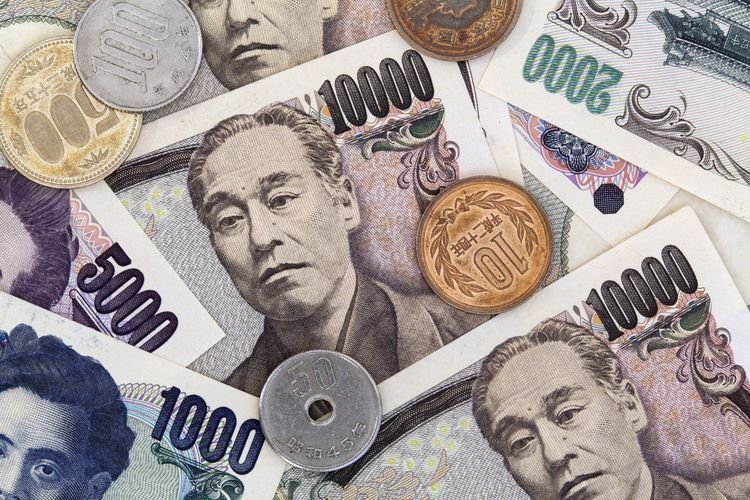
For more than thirty years, Japan’s economy and financial markets were viewed as a cautionary tale. After the collapse of its asset bubble in the early 1990s, Japan endured decades of low growth, deflation, weak equity returns, and demographic decline. Global investors largely ignored the country, favoring faster-growing markets in the United States and emerging economies.
Yet in recent years, a remarkable shift has taken place. Japan has re-emerged as one of the most compelling developed markets, attracting renewed global interest. Equity indices have reached multi-decade highs, corporate profitability has improved, inflation has returned, and structural reforms are reshaping how Japanese companies operate.
This article explores why Japan is rising after decades, what has changed structurally, and whether this revival is sustainable.
1. The Legacy of the Lost Decades
Japan’s economic stagnation began after the bursting of an enormous asset bubble in the early 1990s. Property prices and equity valuations collapsed, leaving banks with bad loans and companies burdened by debt.
Key features of the “lost decades” included:
-
Persistent deflation or near-zero inflation
-
Extremely low interest rates
-
Weak domestic demand
-
Risk-averse corporate behavior
-
Poor shareholder returns
While Japan remained technologically advanced and socially stable, its economy lacked dynamism. Equity markets underperformed global peers for decades, reinforcing negative sentiment.
2. What Has Changed? The Turning Point
Japan’s resurgence is not the result of a single event, but a combination of gradual structural shifts that are now reinforcing each other.
End of deflation
After decades of falling or stagnant prices, Japan has finally exited deflation. Inflation, while moderate compared to Western economies, has become persistent enough to change behavior.
This matters because:
-
Consumers are more willing to spend
-
Companies feel pressure to raise wages
-
Firms can increase prices without losing demand
-
Nominal revenue growth has returned
Inflation has helped break the psychological cycle of stagnation that defined Japan for years.
Corporate reform and governance improvements
One of the most important drivers of Japan’s market revival is corporate reform.
Japanese companies historically prioritized stability, employment, and cash hoarding over profitability and shareholder returns. This is changing.
Key improvements include:
-
Higher return-on-equity targets
-
Increased dividend payouts
-
Accelerated share buybacks
-
Reduction of cross-shareholdings
-
Greater focus on capital efficiency
Stock exchange initiatives have pressured underperforming companies to improve balance sheets and valuations, encouraging management to unlock shareholder value.
3. Strong Balance Sheets and Hidden Value
Japanese corporations are among the most conservatively financed in the world.
Key characteristics:
-
Large cash reserves
-
Low leverage
-
Stable operating margins
-
Significant asset holdings, including real estate and equity stakes
For decades, this conservatism was seen as inefficiency. Today, it is viewed as a source of hidden value. As governance reforms encourage better capital allocation, cash-rich companies are increasing dividends, buybacks, and strategic investment.
4. Currency Dynamics: The Weak Yen Effect
The Japanese yen has remained relatively weak compared to major global currencies. While this raises import costs, it has provided a powerful boost to exporters.
Benefits of a weaker yen include:
-
Improved competitiveness for exporters
-
Higher overseas earnings when converted into yen
-
Strong profit growth for manufacturers and global brands
Japan’s economy is deeply integrated into global supply chains, and export-oriented firms have benefited significantly from currency dynamics.
5. Global Capital Rotation Toward Japan
After years of US equity dominance, global investors have begun diversifying.
Reasons Japan stands out:
-
Attractive valuations compared to other developed markets
-
Improving corporate returns
-
Structural reform momentum
-
Stable political and legal environment
-
Exposure to global growth without extreme valuation risk
Japan has increasingly been viewed as a “value plus reform” story rather than a stagnant market, prompting sustained foreign capital inflows.
6. The Role of Monetary Policy Normalization
Japan’s central bank maintained ultra-loose monetary policy long after other major economies tightened. While gradual normalization is now underway, conditions remain supportive.
This shift matters because:
-
It signals confidence in economic recovery
-
It improves financial sector profitability
-
It encourages more efficient capital allocation
-
It supports healthier market pricing mechanisms
Unlike abrupt tightening elsewhere, Japan’s transition has been cautious, reducing shock risk.
7. Labor Market and Wage Growth
For decades, wage growth in Japan was minimal. Recently, companies have begun raising wages more consistently, driven by:
-
Labor shortages
-
Inflationary pressures
-
Government encouragement
-
Competition for skilled workers
Higher wages support domestic consumption, improve household confidence, and reinforce economic momentum. While demographics remain a challenge, productivity improvements and workforce participation reforms are offsetting some pressures.
8. Demographics: Still a Challenge, But Less of a Drag
Japan’s aging population is often cited as its biggest obstacle. While demographics remain unfavorable, their impact is evolving.
Mitigating factors include:
-
Higher participation among women and older workers
-
Increased automation and robotics
-
Immigration policy adjustments in specific sectors
-
Productivity gains through technology
Demographics no longer dominate Japan’s economic narrative as decisively as before.
9. Technology, Automation, and Industrial Strength
Japan remains a global leader in:
-
Robotics and factory automation
-
Precision manufacturing
-
Semiconductor equipment
-
Automotive and industrial technology
-
Advanced materials
As global supply chains diversify and automation becomes essential, Japan’s industrial capabilities are increasingly valuable. Demand for capital goods and advanced manufacturing solutions supports long-term growth.
10. Equity Market Performance and Valuation
Japanese equities have delivered strong performance relative to global peers in recent years, with indices reaching levels not seen in decades.
Despite this rally:
-
Valuations remain reasonable
-
Many companies still trade below intrinsic value
-
Return on equity continues to improve
-
Dividend yields remain competitive
This combination makes Japan attractive to long-term investors seeking quality at reasonable prices.
11. Small and Mid-Cap Opportunities
While large exporters attract headlines, small and mid-cap Japanese companies present significant opportunity.
These firms often:
-
Operate in niche global markets
-
Are under-researched internationally
-
Have strong balance sheets
-
Benefit disproportionately from governance reforms
As investor attention broadens, valuation gaps in this segment may narrow.
12. Risks to Japan’s Revival
Despite optimism, risks remain.
Currency volatility
A sharp currency reversal could impact exporters and earnings.
Global slowdown
Japan’s export-oriented economy is sensitive to global demand.
Reform fatigue
Momentum in corporate reform must continue to sustain investor confidence.
Demographic constraints
Long-term population decline still limits potential growth.
These risks warrant monitoring, but none currently outweigh the structural improvements underway.
13. Why Japan Is Different This Time
Skepticism toward Japan is understandable given past disappointments. However, several factors distinguish the current cycle:
-
Inflation has returned sustainably
-
Corporate behavior is changing structurally
-
Shareholder focus is stronger than ever
-
Balance sheets are healthier than global peers
-
Global capital flows support re-rating
This is not a short-term stimulus-driven rally, but a multi-year transformation.
14. Implications for Global Investors
Japan’s resurgence offers several strategic benefits:
-
Diversification away from overconcentrated markets
-
Exposure to reform-driven value creation
-
Participation in global industrial and technology growth
-
Lower geopolitical risk compared to many regions
For long-term investors, Japan has transitioned from an afterthought to a core allocation candidate.
Conclusion
After decades of stagnation, Japan is experiencing a genuine market revival. Inflation, corporate reform, governance improvements, and global capital reallocation have combined to reshape its economic and financial landscape.
While challenges remain, the forces driving Japan’s resurgence are structural rather than cyclical. The country’s transformation is not about returning to past glory, but about redefining itself for a new global era.
Japan’s rise after decades is a reminder that markets can change profoundly — and that patience, reform, and discipline can eventually turn even the most overlooked economies into compelling opportunities.
ALSO READ: Richard Dennis and the Turtle Traders