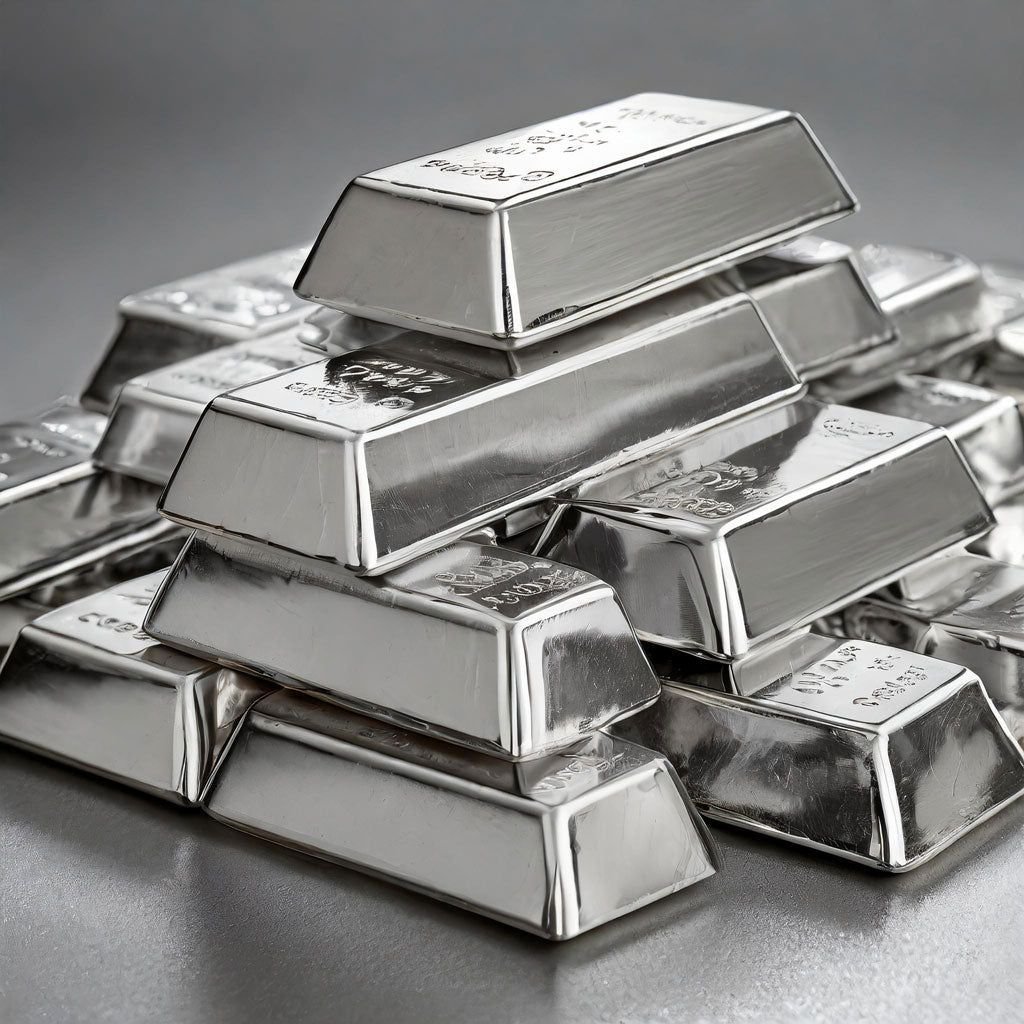
Sharp movements in precious metal prices have shaken investor confidence in commodity exchange traded funds during early February 2026. Silver ETFs recorded steep declines, while gold ETFs also faced noticeable pressure after bullion prices corrected on domestic exchanges. The sudden fall forced investors to reassess allocation decisions and risk exposure within mutual fund portfolios linked to commodities.
The recent correction highlighted an important reality of commodity investing. Precious metals attract investors during uncertain economic periods, yet price swings can emerge quickly when global cues change. Many investors who entered silver and gold ETFs during earlier rallies now face volatility that demands a strategic response rather than emotional decisions.
Commodity Momentum Reverses Quickly
Silver prices experienced sharper declines than gold due to higher industrial demand sensitivity. Global economic signals, currency movement, and profit booking triggered selling pressure across commodity markets. ETF prices reacted immediately because these funds track underlying metal prices closely.
Investors often associate gold with stability, but short-term corrections occur frequently. Silver usually amplifies price moves in both directions because industrial demand influences pricing alongside investment demand. When sentiment weakens, silver ETFs tend to fall faster than gold ETFs.
Recent declines demonstrated this relationship clearly. Investors who concentrated heavily in silver ETFs faced sharper drawdowns compared with diversified commodity investors.
ETF Structure Amplifies Price Impact
Commodity ETFs offer liquidity and convenience, yet they also transmit price movements instantly. Investors can buy or sell units during market hours, which increases responsiveness to sentiment changes. This structure benefits investors during rallies but accelerates declines during corrections.
Unlike actively managed mutual funds, commodity ETFs do not adjust exposure based on market outlook. The fund simply mirrors the underlying asset. Therefore, investors must manage allocation decisions themselves instead of relying on fund managers to reduce risk.
Many retail investors entered gold and silver ETFs seeking safe-haven exposure. The recent fall reminded investors that commodity ETFs still carry market risk despite their defensive reputation.
Profit Booking and Global Factors Drive Correction
Global macroeconomic developments influenced precious metal prices during recent weeks. Strength in the US dollar, shifting interest rate expectations, and profit booking after strong rallies contributed to price declines. Commodity markets often react to multiple global triggers simultaneously, which increases short-term unpredictability.
Investors who entered during peak optimism faced immediate losses once momentum slowed. This pattern appears frequently in commodity cycles. Rapid inflows push prices higher, followed by consolidation or correction when traders lock profits.
Experienced investors often treat commodity exposure as a tactical allocation rather than a long-term core holding. The recent decline reinforced this principle.
Investor Behaviour Under Scrutiny
The correction also revealed behavioral patterns among investors. Many investors increased allocation to gold and silver ETFs after strong performance in previous months. Performance chasing often leads to poor entry timing, especially in cyclical assets such as commodities.
Financial advisors now encourage investors to focus on asset allocation discipline instead of short-term trends. Commodities serve as portfolio diversifiers, not primary return drivers. Excessive allocation can increase volatility rather than reduce it.
Investors who maintained balanced exposure across equity, debt, and commodities experienced less portfolio stress during the recent correction.
Diversification Gains Importance Again
Market events often revive fundamental investment principles. Diversification regained attention as commodity ETFs declined alongside equity volatility in certain sectors. Investors who relied heavily on a single asset class faced higher uncertainty.
A diversified portfolio spreads risk across multiple return drivers. Equity funds provide growth potential, debt funds add stability, and commodity exposure offers inflation protection during specific cycles. No single asset class performs consistently across all market environments.
The current situation encourages investors to review allocation percentages rather than exit commodities completely. Strategic rebalancing usually produces better outcomes than reactionary selling.
Role of Gold in Long-Term Allocation
Despite short-term declines, gold continues to play an important role in portfolio construction. Many investors use gold as a hedge against currency depreciation, inflation concerns, and geopolitical uncertainty. Long-term investors generally maintain limited exposure instead of increasing allocation aggressively after rallies.
Gold ETFs provide transparency, liquidity, and ease of access compared with physical gold. However, investors must understand that price corrections form a natural part of commodity cycles. Long-term allocation decisions should reflect financial goals rather than recent performance.
Silver, on the other hand, requires greater risk tolerance due to higher volatility. Investors should treat silver exposure carefully and avoid excessive concentration.
Lessons for Mutual Fund Investors
The recent decline in silver and gold ETFs offers several lessons for mutual fund investors. First, investors should avoid chasing recent winners. Second, asset allocation should guide investment decisions rather than market headlines. Third, investors should evaluate risk tolerance before increasing exposure to volatile asset classes.
Commodity ETFs serve as useful tools within diversified portfolios, but they demand discipline and patience. Investors who understand market cycles usually navigate volatility more effectively.
Financial planners also emphasize systematic investing approaches instead of lump-sum decisions during periods of excitement. Gradual allocation reduces timing risk and improves long-term outcomes.
Outlook for Commodity Funds
Precious metal prices may continue to fluctuate as global economic conditions evolve. Inflation expectations, central bank policy decisions, currency movement, and geopolitical developments will continue to influence price trends. Investors should therefore expect periodic volatility.
The recent correction does not signal the end of commodity investing. Instead, it highlights the importance of balanced exposure and realistic expectations. Commodity ETFs function best as supporting components within broader portfolios rather than standalone investment themes.
Strategic Shift Among Investors
The fall in silver and gold ETFs has already triggered a change in investor conversations. Many investors now discuss risk management, diversification, and allocation discipline instead of short-term gains. Such shifts often strengthen long-term investment behaviour.
Markets frequently remind investors about the value of patience and strategy. The recent volatility in precious metal ETFs reinforces that lesson once again. Investors who respond with thoughtful portfolio adjustments rather than panic decisions will likely benefit over time.
In the evolving mutual fund landscape, commodity ETFs will continue to attract attention. However, investors must approach them with clarity, balance, and long-term perspective.
Also Read – Tariff Relief Lifts Indian Markets, But Risks Still Loom