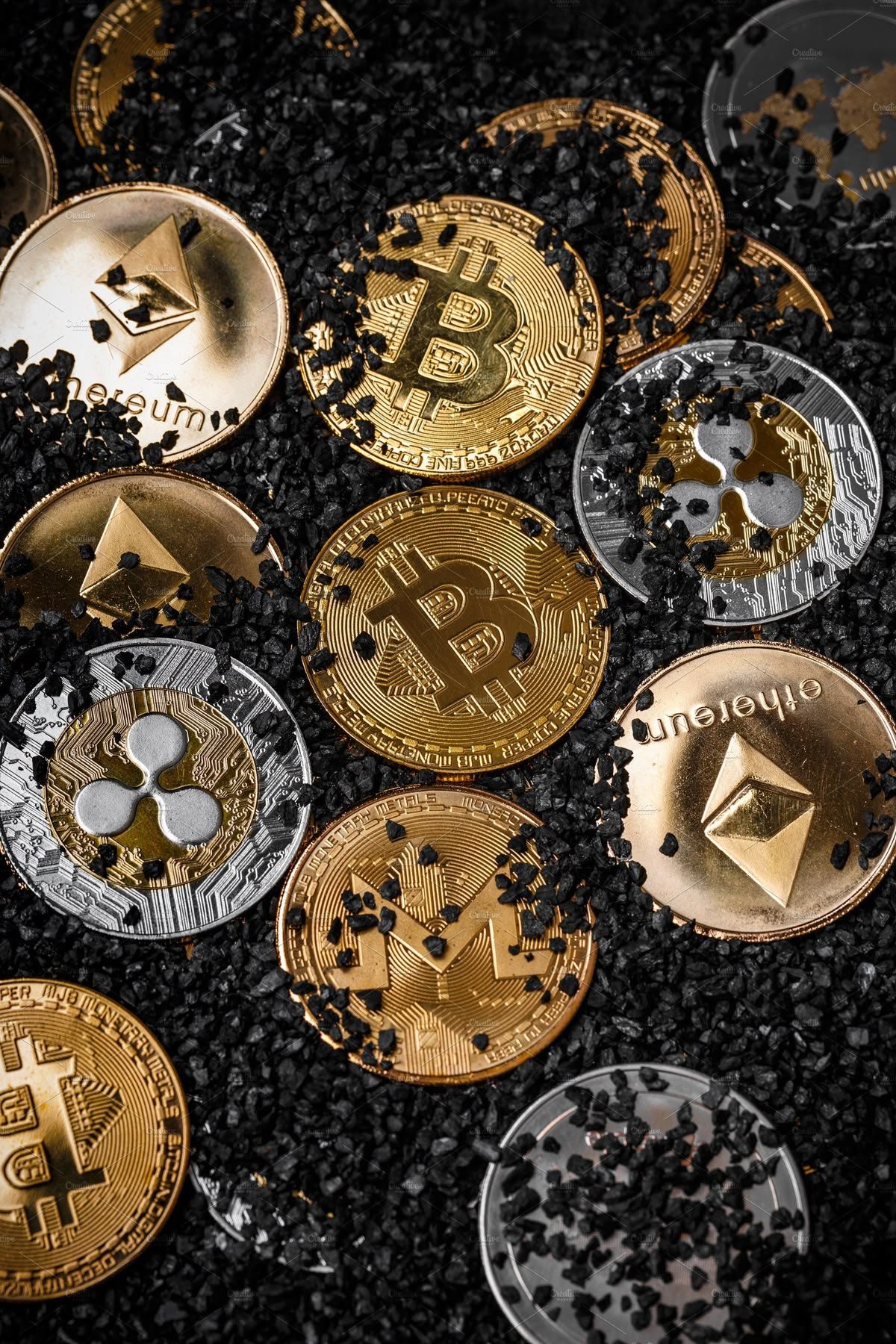
Mastercard has taken a bold step into the future of finance by acquiring stablecoin infrastructure firm BVNK for approximately $1.8 billion. This move signals a clear intention: Mastercard wants to lead the next phase of global payments by integrating blockchain technology with its existing network. The acquisition marks one of the most significant partnerships between traditional finance and crypto infrastructure in recent years.
Mastercard already explored blockchain solutions for years, but this deal shifts its strategy from experimentation to execution. The company now aims to embed stablecoin payments directly into its ecosystem and offer faster, cheaper, and more flexible financial services worldwide.
Why Mastercard Chose BVNK
BVNK has built a strong reputation in the crypto space by offering stablecoin payment rails that businesses can use for real-time transactions. Its infrastructure allows companies to send, receive, and store stablecoins with ease. Unlike many crypto startups, BVNK focuses on practical use cases rather than speculation.
Mastercard recognized this strength and saw an opportunity to scale BVNK’s technology globally. The acquisition gives Mastercard direct access to a system that already supports cross-border payments, treasury management, and on-chain settlements.
BVNK also operates in multiple regulatory environments, which makes it attractive for a global payments giant. Mastercard needs compliance-ready solutions, and BVNK provides exactly that.
The Strategic Vision Behind the Deal
Mastercard wants to build a bridge between traditional finance and blockchain-based systems. Stablecoins play a key role in that vision because they combine the speed of crypto with the stability of fiat currencies.
Through this acquisition, Mastercard plans to:
-
Enable merchants to accept stablecoin payments
-
Allow businesses to settle transactions instantly
-
Reduce reliance on slow banking rails
-
Expand financial access in emerging markets
Mastercard does not aim to replace traditional currencies. Instead, it wants to enhance how money moves across borders and platforms. Stablecoins offer a powerful tool for that mission.
How Stablecoins Fit Into Global Payments
Stablecoins have gained traction because they solve one of crypto’s biggest problems: volatility. By pegging their value to fiat currencies like the US dollar, stablecoins allow users to transact without worrying about price swings.
Mastercard sees stablecoins as a natural extension of digital payments. They offer:
-
Faster settlement times than bank transfers
-
Lower fees compared to international wires
-
24/7 availability without banking delays
With BVNK’s infrastructure, Mastercard can integrate these benefits into its existing network. That integration could reshape how businesses handle global payments.
Impact on Businesses and Merchants
Businesses stand to gain the most from this acquisition. Mastercard can now offer solutions that reduce friction in cross-border transactions. Companies that operate internationally often deal with delays, high fees, and currency conversion issues.
BVNK’s system simplifies these processes. A business can send stablecoins instantly, avoid multiple intermediaries, and settle payments in minutes instead of days.
Merchants could also benefit from lower transaction costs. Mastercard might introduce stablecoin payment options at checkout, giving customers more flexibility while reducing processing fees.
Competition With Other Payment Giants
Mastercard does not act alone in this space. Competitors like Visa and PayPal have already explored crypto integrations. However, Mastercard’s acquisition of BVNK gives it a stronger position because it now owns core infrastructure rather than relying on partnerships.
This vertical integration allows Mastercard to:
-
Control technology development
-
Ensure regulatory compliance
-
Scale solutions faster than competitors
The move could trigger a wave of similar acquisitions across the financial industry as companies race to secure their place in the crypto economy.
Regulatory Challenges Ahead
Despite the optimism, Mastercard will face regulatory scrutiny. Governments and financial authorities continue to debate how to classify and control stablecoins.
BVNK’s compliance-focused approach gives Mastercard an advantage, but challenges remain. Different countries enforce different rules, and global operations require careful navigation.
Mastercard must work closely with regulators to ensure that its stablecoin services meet legal requirements. Any misstep could slow adoption or create operational risks.
What This Means for Crypto Adoption
This acquisition sends a strong signal to the market: major financial institutions now take crypto seriously. Mastercard’s involvement could accelerate mainstream adoption by making crypto payments more accessible and reliable.
Consumers may not even realize they use blockchain technology. They might simply enjoy faster transactions and lower fees. Behind the scenes, stablecoins could power a new generation of financial services.
The deal also boosts confidence in crypto infrastructure companies. It shows that real-world utility attracts significant investment from established players.
The Future of Payments
Mastercard’s acquisition of BVNK represents more than a business deal. It reflects a shift in how the financial world views money movement. Traditional systems can no longer meet the demands of a digital, global economy on their own.
By combining its vast network with BVNK’s blockchain technology, Mastercard aims to create a hybrid system that delivers speed, efficiency, and reliability.
In the coming years, we may see:
-
Widespread stablecoin acceptance
-
Seamless integration between crypto and fiat
-
Faster global commerce with fewer intermediaries
Mastercard has positioned itself at the center of this transformation.
Final Thoughts
Mastercard’s $1.8 billion acquisition of BVNK marks a turning point for both the company and the broader financial ecosystem. The move highlights a clear trend: the lines between traditional finance and crypto continue to blur.
With this deal, Mastercard does not just adapt to change—it drives it. The company now holds the tools to reshape global payments and bring blockchain technology into everyday use.
The success of this strategy will depend on execution, regulation, and market adoption. However, one thing remains certain: the future of payments will look very different, and Mastercard plans to lead the way.
Also Read – What Makes a Blue-Chip Stock Reliable