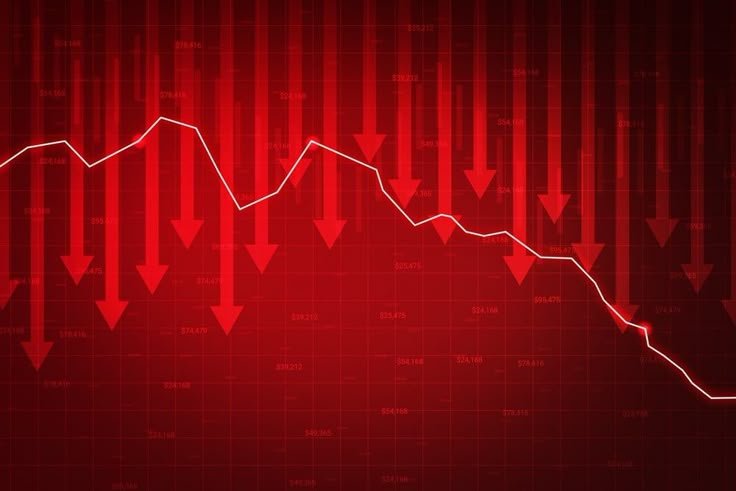
Indian stock markets closed March 2026 with their steepest monthly decline since the pandemic-driven crash of 2020. Benchmark indices recorded heavy losses as investors rushed to exit risky positions. The Nifty and Sensex both dropped around 11% during the month, wiping out significant market value.
This sharp correction marked a turning point after months of relative stability. The scale of the decline surprised many investors and forced a reassessment of market expectations. Selling pressure remained consistent throughout the month, and no major recovery rally emerged to offset the losses.
Global Conflict Drives Market Fear
Rising geopolitical tensions created the foundation for this market fall. Conflict in the Middle East triggered widespread uncertainty across global financial markets. Investors reacted quickly and shifted capital toward safer assets such as gold and US bonds.
Indian markets mirrored global sentiment. When fear dominates global markets, emerging economies often face stronger selling pressure. Investors reduce exposure to risk-heavy assets and protect capital during uncertain times.
The ongoing conflict also raised concerns about global trade disruption and economic slowdown. These fears influenced market behavior throughout March.
Oil Price Surge Fuels Economic Concerns
Crude oil prices surged sharply during the month and crossed critical thresholds. India relies heavily on oil imports, so rising prices directly affect inflation and economic stability.
Higher oil prices increase transportation and production costs. Businesses face shrinking margins, while consumers deal with higher expenses. Investors anticipate slower growth under such conditions, which leads to stock market declines.
Energy-sensitive sectors such as aviation, logistics, and manufacturing faced heavy selling pressure. Oil price volatility remained one of the strongest drivers behind the market downturn.
Foreign Investors Exit Aggressively
Foreign Institutional Investors (FIIs) played a central role in the market decline. They pulled large amounts of capital out of Indian equities during March. This sustained selling created continuous downward pressure on stock prices.
FIIs often act as major liquidity providers in emerging markets. When they withdraw funds, markets struggle to maintain stability. Domestic investors cannot always match the scale of foreign selling.
This trend reflected a broader shift in global investment strategy. Investors preferred safer markets and reduced exposure to emerging economies during uncertain times.
Currency Weakness Adds to Market Stress
The Indian rupee weakened significantly against the US dollar during March. Currency depreciation created additional pressure on markets and investor sentiment.
A weaker rupee increases import costs and contributes to inflation. Companies that depend on imported raw materials face higher expenses. Investors adjust their expectations for corporate earnings under such conditions.
Currency movements also reflect capital flows. Continued outflows from equity markets contributed to rupee weakness, which in turn reinforced negative sentiment.
IT Sector Leads the Decline
The IT sector emerged as one of the worst performers during the month. Stocks in this segment fell sharply due to concerns about global demand and technological disruption.
Many IT companies depend on clients from developed markets, especially the United States. Economic uncertainty in those regions affects spending on technology services. Investors responded by reducing exposure to IT stocks.
Concerns around artificial intelligence and automation also influenced sentiment. Market participants questioned future growth prospects in the sector, which accelerated the decline.
Midcaps and Smallcaps Face Heavy Losses
Midcap and smallcap stocks recorded even deeper losses than large-cap indices. These segments usually attract higher risk appetite during bullish phases, but they fall more sharply during corrections.
Investors shifted focus toward safety and reduced exposure to riskier stocks. Liquidity in midcap and smallcap segments dropped significantly, which amplified price declines.
Many stocks in these categories lost over 15–20% during the month. This steep fall highlighted the vulnerability of smaller companies during market stress.
Lack of Positive Triggers Limits Recovery
Markets did not receive any strong positive triggers during March. No major policy announcements or economic improvements supported investor confidence.
Corporate earnings expectations remained uncertain. Global developments continued to dominate market direction. Without positive catalysts, markets struggled to recover from early losses.
Investors preferred to wait rather than take fresh positions. This cautious approach prevented any meaningful rebound during the month.
Technical Weakness Strengthens Downtrend
Technical indicators reflected sustained weakness throughout March. Key support levels broke early in the decline, which triggered further selling.
Traders rely on charts and technical signals to guide short-term decisions. Once indices fall below critical levels, automated selling and stop-loss orders accelerate the decline.
The market failed to reclaim important resistance levels, which confirmed a bearish trend. This technical weakness discouraged buyers from entering the market.
Investor Sentiment Turns Defensive
Investor sentiment shifted strongly toward caution during the month. Market participants focused on capital preservation rather than growth opportunities.
Retail investors reduced trading activity, while institutional investors maintained a defensive stance. Fear of further losses influenced decision-making across the board.
Market volatility remained high, which added to uncertainty. Investors avoided aggressive strategies and waited for clearer signals.
What Lies Ahead for Indian Markets
The future direction of the market will depend on several key factors. Investors should monitor these closely:
Geopolitical Developments
Any reduction in global tensions can improve market sentiment. Stability in international relations will play a crucial role.
Oil Price Movement
A decline or stabilization in crude oil prices can ease inflation concerns and support markets.
FII Activity
Reduced selling or renewed inflows from foreign investors can provide much-needed stability.
Economic Indicators
Inflation data, interest rate decisions, and growth projections will influence market direction.
Technical Recovery
Markets need to reclaim key levels to signal a reversal. Sustained buying interest will remain essential.
Conclusion: A Wake-Up Call for Investors
The steep fall in March 2026 serves as a reminder of how quickly market conditions can change. Global risks, rising oil prices, and capital outflows combined to create a challenging environment for Indian equities.
Investors must remain disciplined and focus on long-term fundamentals. Short-term volatility often creates uncertainty, but it also highlights the importance of risk management.
Markets may continue to experience fluctuations in the near term. Stability in global and domestic factors will determine the pace of recovery. Until then, caution and careful analysis remain the most effective strategies.
Also Read – What Is an Actively Managed ETF?