Rising tensions involving Iran triggered a sharp reaction across global financial markets and sent shockwaves through the crypto space. Investors reduced exposure to risk assets and moved capital toward safer alternatives. This shift created downward pressure on digital currencies.
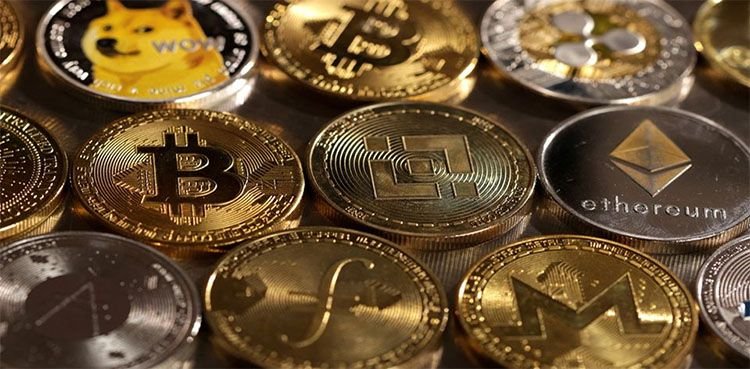
Bitcoin, Ethereum, and several altcoins declined as traders responded to uncertainty. The market did not react in isolation. It followed broader global sentiment that favored caution over risk-taking.
Geopolitical developments often influence investor behavior. In this case, uncertainty surrounding conflict and diplomatic outcomes drove a clear risk-off mindset. Traders avoided volatile assets and chose stability instead.
Bitcoin and Ethereum Lead the Decline
Bitcoin experienced a noticeable drop as selling pressure increased. Traders who had recently entered the market took profits or cut exposure to limit risk. This behavior intensified downward movement and accelerated price declines.
Ethereum followed a similar path and reflected broader market sentiment. Investors did not differentiate much between major assets during this phase. They focused on reducing overall exposure rather than selecting individual opportunities.
Altcoins faced even sharper declines. Smaller assets often react more aggressively during periods of uncertainty. Lower liquidity and higher volatility amplify price swings, and this trend played out across the market.
Risk-Off Sentiment Dominates Investor Behavior
Global uncertainty pushed investors into a defensive stance. Many participants shifted funds into traditional safe-haven assets such as gold and government bonds. Crypto assets did not benefit from safe-haven demand in this moment.
Some investors still viewed Bitcoin as digital gold, but short-term behavior showed a different pattern. Traders prioritized liquidity and stability over long-term narratives. This shift created selling pressure across crypto markets.
Institutional investors also reduced risk exposure. Large funds adjusted portfolios quickly and responded to geopolitical signals. Their actions influenced market direction and amplified volatility.
Oil and Global Trade Concerns Add Pressure
Tensions involving Iran raised concerns about oil supply and global trade routes. Investors anticipated potential disruptions in energy markets and shipping channels. These concerns extended beyond traditional markets and affected crypto sentiment.
Higher oil prices can trigger inflation concerns and influence central bank policies. These macroeconomic factors impact risk assets, including cryptocurrencies. Traders often react quickly to such signals.
Market participants connected geopolitical developments with economic outcomes. This connection created a chain reaction that influenced multiple asset classes at once.
Correlation With Traditional Markets Strengthens
Crypto markets showed strong correlation with traditional financial markets during this event. Stocks also declined as investors reacted to geopolitical risks. This alignment highlighted the growing integration of crypto within global finance.
Earlier narratives suggested that Bitcoin could act independently from traditional assets. However, recent trends showed increasing correlation during major macro events. Crypto behaved more like a risk asset than a hedge.
This shift reflects broader adoption and institutional participation. As more traditional investors enter crypto markets, behavior aligns more closely with global financial trends.
Short-Term Traders Accelerate the Sell-Off
Short-term traders played a significant role in the decline. Many participants used leverage and reacted quickly to negative news. When prices started to fall, liquidations added further downward pressure.
Automated trading systems and algorithms also contributed to volatility. These systems responded to market signals instantly and executed large volumes of trades. This activity intensified price movements.
Stop-loss orders triggered across exchanges and created a cascading effect. As prices dropped, more sell orders entered the market and pushed prices lower.
Long-Term Investors Remain Calm
Despite short-term volatility, long-term investors maintained a different perspective. Many holders did not panic or exit positions. They viewed the decline as a temporary reaction to external events.
Some investors used the dip as an opportunity to accumulate assets at lower prices. This behavior provided some support and prevented deeper declines.
On-chain data suggested that long-term holders continued to hold their positions. This trend indicated confidence in the long-term value of crypto assets despite short-term uncertainty.
Regulatory and Political Factors Add Complexity
Geopolitical tension does not exist in isolation. Regulatory discussions and political decisions also influence crypto markets. Governments often respond to global events with policy changes that affect financial systems.
Investors monitored potential regulatory actions that could emerge from geopolitical developments. Increased scrutiny or restrictions could impact market sentiment.
Crypto markets operate within a complex global framework. Political decisions, economic conditions, and technological developments all interact and shape outcomes.
Market Recovery Depends on Stability
Crypto markets require stability to regain upward momentum. If geopolitical tensions ease, investor confidence could return quickly. Reduced uncertainty often encourages risk-taking and supports price recovery.
Traders watch diplomatic developments closely. Positive news could trigger a rebound and restore bullish sentiment. However, continued tension could extend volatility and delay recovery.
Market participants also monitor macroeconomic indicators. Inflation data, interest rates, and global growth projections influence crypto performance alongside geopolitical factors.
Conclusion
The recent decline in crypto markets highlighted the strong influence of geopolitical events on digital assets. Rising tensions involving Iran created uncertainty and triggered a shift toward risk-off behavior. Bitcoin, Ethereum, and altcoins all faced selling pressure as investors reduced exposure.
The market demonstrated increasing correlation with traditional financial systems. Institutional participation and global integration shaped this behavior. Short-term traders amplified volatility, while long-term investors remained steady.
Crypto markets continue to evolve within a broader economic and political landscape. External factors will continue to influence price movements and investor sentiment. Stability will play a crucial role in determining the next phase of market direction.
If tensions ease and confidence returns, crypto markets could recover and resume growth. Until then, investors will navigate uncertainty and adapt to changing global conditions.
Also Read – Is Crypto Finally Replacing Gold? The Truth Revealed