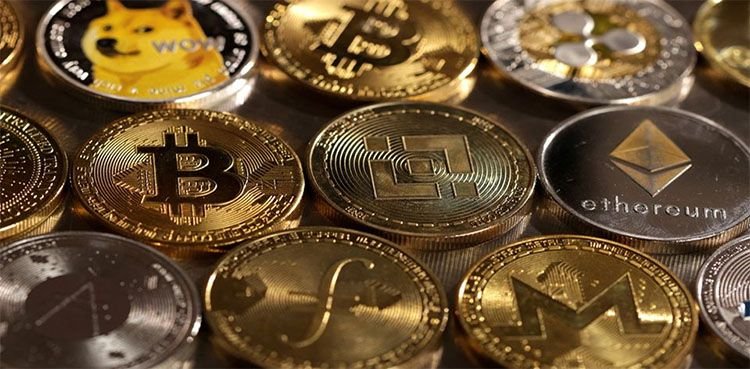
The cryptocurrency market is once again at the center of global financial discussions. After years of volatility, crashes, regulatory pressure, and renewed optimism, digital assets are experiencing another major rally. However, unlike previous crypto booms where nearly every token surged together, the current market movement is far more selective and strategic. Investors are no longer pouring money blindly into speculative projects. Instead, capital is flowing toward cryptocurrencies with stronger narratives, institutional backing, technological relevance, and practical use cases.
Among the standout performers in this latest rally is Zcash, a privacy-focused cryptocurrency that has dramatically outperformed many larger digital assets. At the same time, Bitcoin continues to dominate headlines despite increasing concerns about its long-term role as a store of value. XRP and Ethereum remain locked in a battle for institutional adoption, while stablecoins are emerging as one of the most important sectors in the broader digital asset economy.
This new phase of crypto development signals a shift in how investors, governments, and institutions perceive blockchain technology. The market is no longer driven purely by speculation. Instead, it is evolving into a more mature financial ecosystem where utility, regulation, and infrastructure matter more than ever before.
Zcash Becomes the Unexpected Star
One of the biggest surprises in the crypto market has been the explosive rise of Zcash. While Bitcoin and Ethereum continue posting moderate gains, Zcash has surged dramatically, attracting renewed attention from traders and institutional investors alike.
Zcash was originally introduced as a privacy-oriented cryptocurrency designed to provide users with greater anonymity during transactions. Unlike Bitcoin, where transaction histories are publicly visible on the blockchain, Zcash uses advanced cryptographic technology known as zero-knowledge proofs. This allows users to send and receive funds without exposing transaction details to the public.
For years, privacy coins struggled under increasing regulatory scrutiny. Governments around the world expressed concerns that anonymous digital currencies could be used for illegal financial activity. As a result, several exchanges delisted privacy-focused cryptocurrencies, leading many investors to believe the sector was losing relevance.
However, sentiment has changed dramatically in recent months. Growing concerns surrounding digital surveillance, financial tracking, and online privacy have reignited interest in privacy-preserving technologies. Investors increasingly recognize that privacy itself may become one of the most valuable commodities in the digital economy.
The resurgence of Zcash also reflects broader geopolitical and technological trends. As governments and corporations collect more personal financial data, many users are becoming uncomfortable with the idea of fully transparent digital payment systems. Privacy coins offer an alternative that aligns with the growing demand for personal data protection.
Institutional investors have also contributed to the recent rally. Several crypto-focused investment firms reportedly increased exposure to Zcash earlier this year, arguing that privacy-related technologies remain underappreciated by the broader market. This institutional confidence helped fuel momentum and attracted additional retail participation.
Despite the recent surge, Zcash remains highly volatile. The cryptocurrency still trades far below its historic peak reached during the 2017 crypto boom. Questions also remain regarding regulatory acceptance and long-term adoption. Nevertheless, the strong rally demonstrates that niche sectors within the crypto market can still generate significant investor excitement when broader market narratives align in their favor.
Bitcoin Faces New Challenges
Bitcoin continues to hold its position as the world’s largest cryptocurrency, but its future narrative is becoming increasingly complicated. For more than a decade, Bitcoin supporters promoted the asset as “digital gold” — a decentralized and limited-supply alternative to traditional fiat currencies.
This narrative gained enormous traction during periods of inflation and monetary uncertainty. Investors viewed Bitcoin as a hedge against currency devaluation, similar to how gold has historically functioned during economic crises.
However, the rise of stablecoins and tokenized commodities is beginning to challenge Bitcoin’s role as the dominant digital store of value. Some investors now question whether Bitcoin’s extreme volatility undermines its effectiveness as a safe-haven asset.
At the same time, gold-backed stablecoins are attracting attention as an alternative solution. These digital assets are tied directly to physical gold reserves, offering blockchain convenience alongside commodity-backed stability. For conservative investors, this combination appears increasingly attractive.
Bitcoin also faces growing pressure from changing macroeconomic conditions. Interest rate decisions, inflation expectations, geopolitical instability, and global regulatory developments continue influencing cryptocurrency prices. Although Bitcoin recently regained strong momentum, analysts remain cautious about whether the rally can sustain itself over the long term.
Another major factor shaping Bitcoin’s future is institutional involvement. Over the past few years, large asset managers, corporations, and even governments have accumulated Bitcoin holdings. Exchange-traded funds linked to Bitcoin have further integrated the cryptocurrency into traditional financial markets.
This institutional adoption has legitimized Bitcoin in many ways, but it has also introduced new risks. Bitcoin is now increasingly influenced by broader market conditions, central bank policy expectations, and institutional trading behavior. As a result, the asset sometimes behaves more like a high-risk technology investment than an independent financial alternative.
Regulatory developments are equally important. Governments worldwide continue debating how cryptocurrencies should be taxed, monitored, and integrated into financial systems. While regulatory clarity could encourage further institutional adoption, excessive restrictions could reduce market growth and innovation.
Bitcoin remains the dominant force in cryptocurrency markets, but the conversation surrounding its future has evolved significantly. Rather than simply functioning as digital gold, Bitcoin may become part of a larger digital financial infrastructure where multiple asset classes coexist and compete.
Ethereum Continues Building Long-Term Strength
While Bitcoin dominates public awareness, Ethereum continues strengthening its position as the leading blockchain platform for decentralized applications and smart contracts.
Ethereum’s greatest advantage lies in its ecosystem. Thousands of decentralized applications operate on the Ethereum network, covering industries such as decentralized finance, gaming, digital identity, tokenization, and artificial intelligence. This broad utility gives Ethereum a level of functionality that extends beyond simple value transfer.
The rise of decentralized finance, commonly known as DeFi, has particularly strengthened Ethereum’s importance. DeFi platforms allow users to borrow, lend, trade, and earn yields without relying on traditional banks or financial intermediaries. Ethereum remains the primary infrastructure supporting much of this activity.
Institutional investors are increasingly interested in Ethereum because of its staking mechanism. Unlike Bitcoin mining, Ethereum’s proof-of-stake system allows investors to earn rewards by helping secure the network. This creates an additional income-generating feature that appeals to long-term holders.
Ethereum also benefits from a strong developer community. Continuous upgrades and technical improvements have helped the network remain competitive despite increasing pressure from rival blockchains such as Solana, Avalanche, and Cardano.
Nevertheless, Ethereum still faces challenges. High transaction fees during periods of network congestion continue frustrating users. Competing networks offer faster speeds and lower costs, creating ongoing competition for market share.
Despite these concerns, Ethereum’s first-mover advantage and massive ecosystem continue providing powerful long-term support. Many analysts believe Ethereum remains one of the strongest positioned blockchain projects in the entire crypto industry.
XRP Searches for a Clear Role
XRP remains one of the most controversial and closely watched cryptocurrencies in the market. Created to facilitate cross-border financial transactions, XRP has long been promoted as a solution for faster and cheaper international payments.
Ripple, the company associated with XRP, established partnerships with financial institutions around the world, aiming to modernize outdated banking infrastructure. This institutional focus differentiated XRP from many purely decentralized cryptocurrencies.
However, XRP has faced years of legal uncertainty and regulatory challenges. Although some legal victories improved investor confidence, questions regarding long-term utility still remain.
One of the biggest issues facing XRP is the growing rise of stablecoins. Stablecoins offer price stability that makes them highly practical for payment settlement and financial transfers. If financial institutions increasingly adopt stablecoins for cross-border transactions, XRP’s core use case could weaken.
Ripple itself has expanded into the stablecoin sector, creating additional debate about XRP’s future role within the company’s ecosystem. Some investors worry that stablecoins may ultimately replace XRP in practical payment applications.
Despite these concerns, XRP still maintains a strong community and significant institutional recognition. The introduction of investment products tied to XRP has also increased mainstream exposure and improved liquidity.
The future of XRP likely depends on whether Ripple can clearly define the token’s role in an increasingly competitive digital payments environment. Investors continue watching closely as the company attempts to balance innovation, regulation, and market positioning.
Stablecoins Become the Foundation of Digital Finance
Perhaps the most important development in the crypto industry is the rapid rise of stablecoins. Originally designed as simple tools for traders moving funds between exchanges, stablecoins are now becoming a core part of the global digital economy.
Stablecoins maintain relatively stable prices by being tied to assets such as the U.S. dollar or gold. This stability makes them far more practical for payments, remittances, and financial settlements compared to highly volatile cryptocurrencies.
Governments and regulators are paying close attention to this sector because stablecoins have the potential to influence traditional financial systems significantly. New regulations aimed at reserve transparency, compliance, and consumer protections are currently under discussion in several major economies.
Clear regulation could provide legitimacy and encourage broader institutional adoption. At the same time, stricter oversight may reshape how stablecoin issuers operate and generate revenue.
The growth of stablecoins reflects a broader transition within crypto markets. The industry is gradually moving away from purely speculative trading and toward real-world financial utility. Stablecoins may ultimately serve as bridges connecting traditional banking systems with blockchain-based infrastructure.
Gold-backed stablecoins are also becoming increasingly attractive during periods of economic uncertainty. By combining blockchain technology with physical asset backing, these products appeal to investors seeking both innovation and stability.
A More Mature Crypto Market Emerges
The current crypto rally highlights how much the industry has evolved over the past decade. Earlier bull markets were often driven by hype, speculation, and fear of missing out. Today’s market is far more selective.
Investors are increasingly evaluating cryptocurrencies based on practical use cases, technological capabilities, regulatory positioning, and long-term sustainability. This shift indicates that the crypto industry is maturing into a more sophisticated financial sector.
Institutional participation plays a major role in this transformation. Hedge funds, asset managers, corporations, and governments now influence market behavior more heavily than retail traders alone. Their involvement encourages greater focus on infrastructure, compliance, and long-term viability.
At the same time, volatility remains an unavoidable part of the crypto landscape. Prices can still rise or fall dramatically within short periods, and regulatory uncertainty continues creating unpredictable risks.
Nevertheless, the broader direction of the industry appears increasingly clear. Blockchain technology is gradually integrating into mainstream finance, digital commerce, and global payment systems. The crypto market is no longer simply an experimental niche. It is becoming part of the evolving digital economy.
Conclusion
The latest cryptocurrency rally represents more than another speculative boom. It reflects a deeper transformation occurring within the digital asset industry.
Zcash’s rise demonstrates growing demand for privacy-focused technologies. Bitcoin continues evolving as institutions reshape its role in financial markets. Ethereum strengthens its dominance in decentralized applications, while XRP searches for renewed relevance in global payments. Meanwhile, stablecoins are emerging as one of the most important foundations of the future digital financial system.
Together, these developments reveal a crypto market entering a more mature and competitive era. Investors are becoming more selective, regulators are becoming more involved, and blockchain technology is becoming increasingly integrated into mainstream finance.
The future of cryptocurrency will likely depend less on hype and more on utility, trust, regulation, and real-world adoption. While uncertainty and volatility remain, the industry’s continued evolution suggests that digital assets are no longer a temporary trend. They are becoming a permanent part of the global financial landscape.