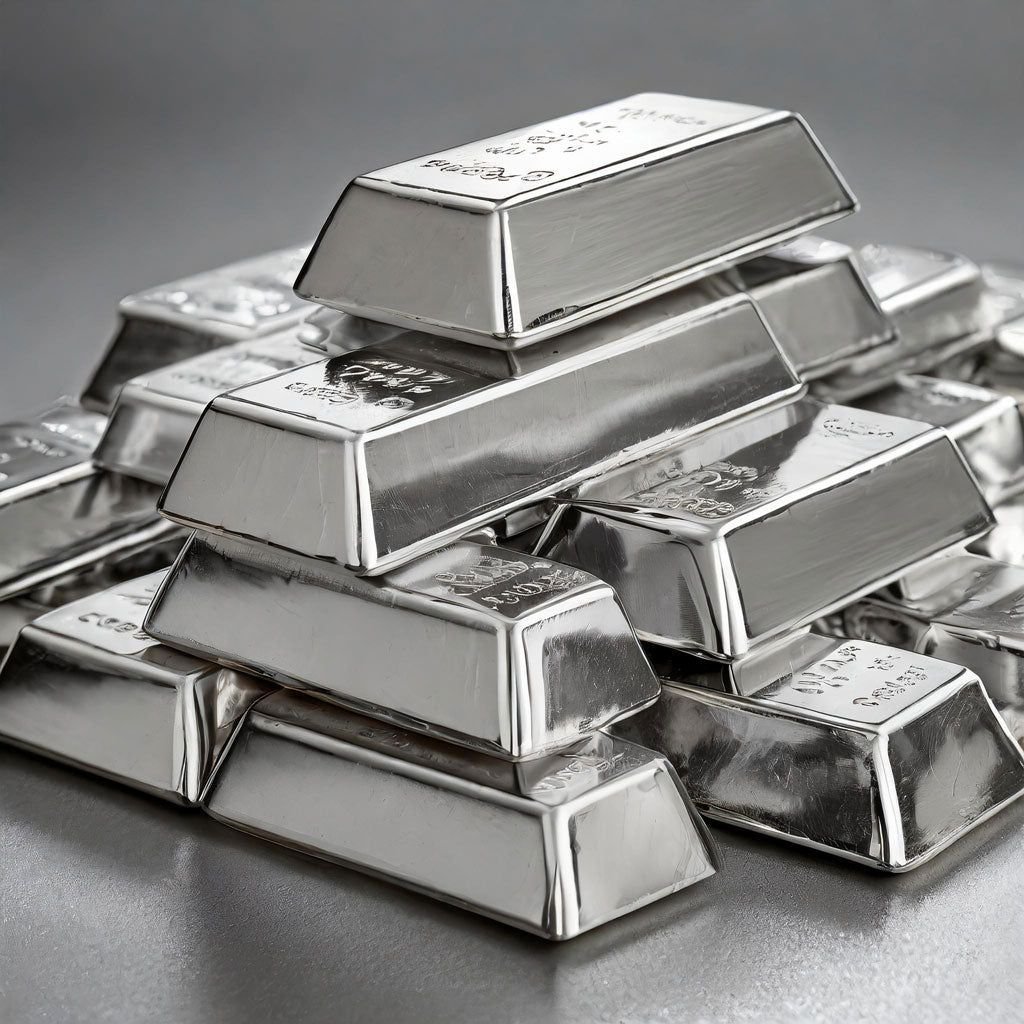
Silver has once again surprised the market with a sudden price drop. The precious metal fell below the important $80 mark after days of heavy pressure in global markets. Traders and investors saw another reminder that silver remains one of the most unstable commodities in the world.
The latest fall came after a strong rally earlier this year. Many people believed silver could continue its rise because of strong industrial demand and growing interest from investors. However, market mood changed very quickly. Prices moved down fast as traders sold large positions and fear spread across financial markets.
Silver often shows bigger price moves than gold. A small change in market mood can create a very large rise or fall in silver prices. Experts say this happens because the silver market is smaller and more sensitive than many other commodities.
Why Silver Prices Fell So Fast
Several reasons pushed silver below $80. One major reason came from rising bond yields and a stronger US dollar. When interest rates rise, investors often move money away from metals like silver because silver does not give regular income like bonds.
The stronger dollar also created pressure. Since silver trades mostly in dollars, a stronger American currency makes silver more expensive for buyers in other countries. This usually lowers demand and weakens prices.
Another reason came from profit booking. Many traders bought silver during the recent rally and decided to sell after prices reached high levels. This large selling wave caused a sharp fall in a short period.
Global uncertainty also played a role. Tension in the Middle East and fears around Iran increased market stress. During uncertain times, investors often move quickly between different assets. These fast changes can create large swings in silver prices.
Silver Remains a Highly Volatile Commodity
Silver has a long history of sudden price movement. It can rise strongly within weeks and then lose a large part of those gains just as fast. This is why many experts call silver one of the most volatile commodities in the global market.
Unlike gold, silver has two major roles. It acts as a precious metal and also serves as an industrial material. Because of this, silver reacts to many different events at the same time.
When factories grow and technology demand rises, silver prices usually climb. At the same time, investor demand also affects the metal. If fear enters the market, traders can quickly sell silver and create strong downward pressure.
This double nature makes silver harder to predict than gold. Even positive news can sometimes fail to support prices if investor sentiment turns negative.
Industrial Demand Still Supports Silver
Even after the latest fall, many analysts still believe silver has strong long-term support. One important reason is industrial demand.
Silver plays a major role in solar panels, electric vehicles, electronics, medical tools, and data centers. The growth of clean energy and modern technology has increased the need for silver around the world.
The rise of artificial intelligence infrastructure also created fresh demand expectations. Large data centers require advanced electrical systems, and silver remains an important part of many electronic products.
Because of these industries, many experts believe silver demand may remain strong in the coming years. This support could help prices recover after the current weakness.
Supply Problems Continue in the Market
Another important factor is limited supply. Reports show that silver inventories on COMEX have continued to decline. Lower supply levels can create pressure on the market if demand stays strong.
Mining companies also face rising costs and operational challenges in several countries. New silver production has not grown fast enough to fully match rising industrial demand.
This supply shortage has helped many investors stay positive about silver despite recent price weakness. Some analysts believe the market could face a structural supply deficit for years if demand from clean energy and technology sectors continues to rise.
Important Price Levels Traders Watch
Market experts now watch several key price levels very closely. The $80 mark carried strong psychological importance for traders. Once silver moved below that level, selling pressure increased further.
Analysts now say the low $70 range could act as major support. If silver falls near that area and buyers return, prices may stabilize.
At the same time, silver needs to climb back above the low $80 range to regain positive momentum. Without a strong recovery, many traders may remain cautious in the near term.
Technical analysts often study these price zones because they help show market confidence and future direction.
Big Impact on Indian Markets
The silver decline has also affected Indian markets in a major way. On MCX futures, silver prices dropped sharply within only a few days. Reports showed a fall of tens of thousands of rupees per kilogram during the recent correction.
Changes in import duties added extra pressure in India. Global liquidation and weak investor sentiment also pushed local prices lower.
Indian investors traditionally view silver as both an investment and a store of value. Because of this, large price changes often attract strong public attention across the country.
Jewelry traders and retail buyers now closely watch whether current prices create a good buying opportunity or if further weakness may arrive in coming weeks.
Investors Remain Divided on Silver’s Future
The latest fall has created mixed opinions among investors and analysts. Some believe silver may continue to struggle if interest rates stay high and global uncertainty grows.
Others argue that the long-term story still looks strong because of industrial demand, limited supply, and interest in hard assets. These experts believe the recent fall may only represent a temporary correction after a strong rally.
Silver has always moved through cycles of sharp rises and sudden declines. This pattern may continue as global markets react to economic data, geopolitical events, and central bank decisions.
For now, traders remain cautious. Many investors wait for clearer signals before making large moves in the silver market.
Conclusion
Silver’s drop below $80 once again shows how quickly this market can change direction. Rising yields, a stronger dollar, profit booking, and global tension all combined to push prices lower.
At the same time, strong industrial demand and supply concerns continue to support long-term optimism around silver. The metal remains deeply connected to the future of clean energy, electronics, and modern technology.
The coming weeks may prove very important for silver prices. If buyers return near current levels, the market could recover. If selling pressure continues, traders may prepare for another volatile phase in one of the world’s most unpredictable commodities.