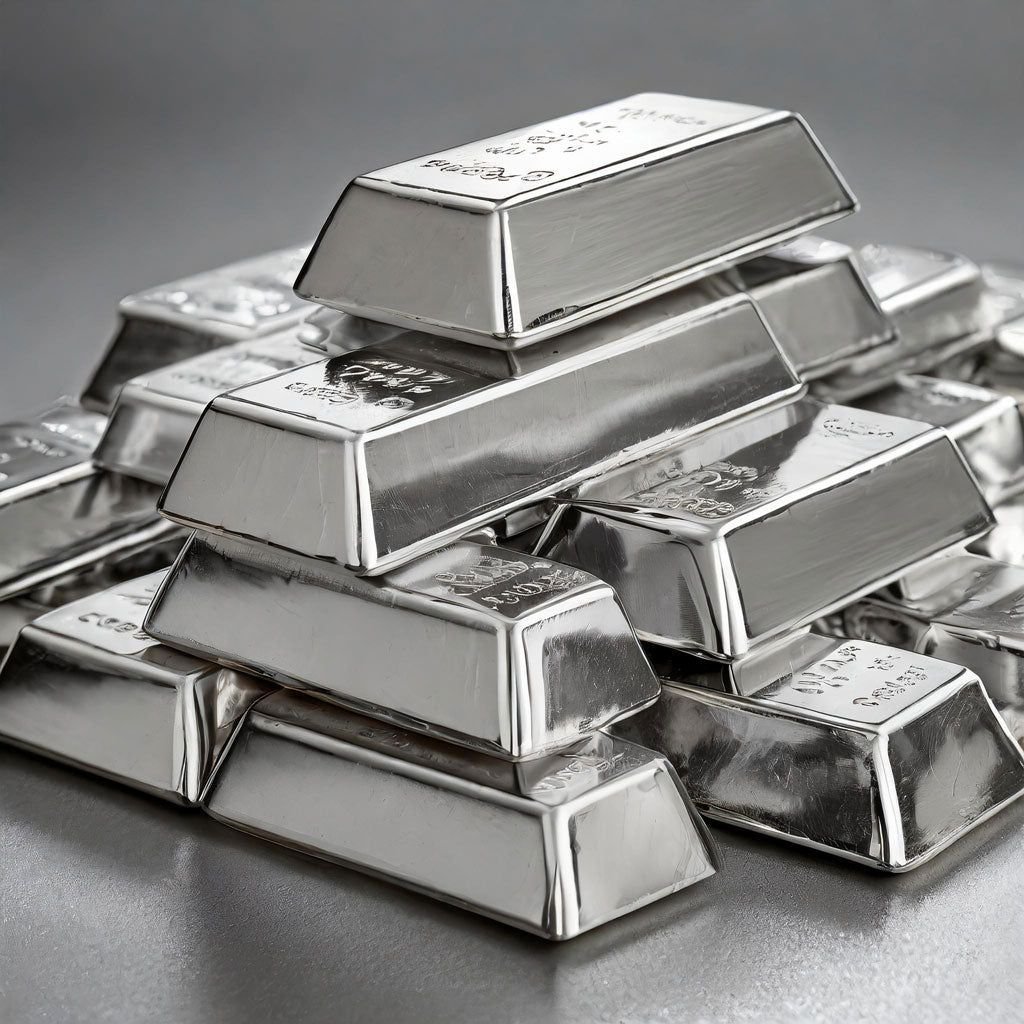
Gold prices in India recorded a noticeable decline on May 22, 2026. Futures contracts on the Multi Commodity Exchange (MCX) dropped by ₹521 and settled near ₹1,59,085 per 10 grams. The decline reflected weak spot demand across major bullion markets and growing caution among investors.
Jewellers, traders, and retail buyers reduced purchases as high prices continued to discourage fresh buying. The correction also mirrored pressure from international markets, where a stronger US dollar and rising bond yields limited investor interest in precious metals.
The latest fall created fresh discussion about the direction of gold prices during the upcoming wedding season and festive buying period.
Weak Retail Demand Pulls Prices Lower
Retail demand remained soft in several Indian cities during the week. Consumers delayed purchases because gold prices stayed near record highs for months. Many families preferred to wait for deeper corrections before making jewellery purchases.
Bullion traders in Delhi, Mumbai, Chennai, and Kolkata reported slower footfall in jewellery stores. Buyers focused mainly on essential purchases rather than investment-driven buying.
Several jewellers offered discounts and promotional schemes to attract customers, but cautious sentiment continued to dominate the market.
Industry experts believe that affordability concerns played a major role in the recent slowdown. Rising household expenses and inflation pressures reduced discretionary spending, especially in middle-income households.
MCX Gold Futures Reflect Market Pressure
The MCX gold contract showed strong volatility throughout the trading session. Early losses intensified as traders booked profits after recent gains in bullion prices.
Commodity analysts observed that many short-term investors exited positions due to uncertainty surrounding global monetary policy. Selling pressure increased further after international gold prices weakened during Asian trading hours.
Market participants closely tracked movements in the US dollar index and Treasury yields because both factors heavily influence gold prices worldwide.
A stronger dollar usually reduces the appeal of gold for international investors. Higher bond yields also encourage investors to shift money toward interest-bearing assets instead of non-yielding commodities like gold.
Global Factors Influence Indian Gold Prices
International developments created additional pressure on gold markets. Investors monitored signals from the US Federal Reserve regarding future interest rate decisions.
Recent economic data from the United States showed resilient employment numbers and stable consumer spending. Those indicators strengthened expectations that the Federal Reserve may maintain higher interest rates for a longer period.
Higher interest rates generally hurt gold prices because they increase the opportunity cost of holding bullion.
Geopolitical tensions still offered some support to gold, but traders focused more on macroeconomic trends and monetary policy signals during the week.
Crude oil price fluctuations also affected investor sentiment. Rising energy prices increased inflation concerns, yet traders remained uncertain about the long-term impact on central bank policies.
Indian Bullion Market Shows Mixed Sentiment
Despite the decline in futures prices, some sections of the bullion market continued to show resilience. Long-term investors still viewed gold as a safe-haven asset during periods of economic uncertainty.
Many wealth advisors encouraged gradual accumulation instead of aggressive buying. Financial planners suggested staggered investments through gold exchange-traded funds (ETFs), sovereign gold bonds, and digital gold products.
Physical demand from rural markets remained relatively stable compared to urban centres. Rural consumers often buy gold for cultural and savings purposes rather than short-term investment returns.
However, overall market sentiment stayed cautious due to persistent volatility.
Wedding Season Demand Remains Critical
The upcoming wedding season could play an important role in determining the next direction for gold prices in India.
Traditionally, weddings generate strong jewellery demand across the country. Jewellers expect improved sales if prices stabilize near current levels.
Many families postponed purchases earlier in the year because of elevated rates. A moderate correction could encourage buyers to return to the market.
Industry associations believe that consumer confidence may improve if gold prices avoid extreme volatility during the coming weeks.
Retailers also plan to introduce flexible payment schemes and lightweight jewellery collections to attract budget-conscious buyers.
Investors Shift Focus Toward Economic Data
Global investors now await fresh economic indicators from major economies, especially the United States. Inflation data, manufacturing activity, and central bank commentary may influence commodity markets in the near term.
Analysts expect continued volatility in gold prices until markets receive clearer guidance on interest rate policy.
Some experts predict short-term consolidation, while others believe geopolitical risks and inflation concerns could support a rebound later in the year.
Investment firms advised traders to avoid aggressive speculative positions during the current uncertain environment.
Strong Dollar Creates Additional Headwinds
The US dollar continued to strengthen against several global currencies during the week. Currency traders responded positively to strong American economic indicators and expectations of prolonged higher rates.
A stronger dollar usually makes gold more expensive for holders of other currencies. That trend often reduces international demand for bullion and places downward pressure on prices.
Indian gold imports may also become costlier if the rupee weakens further against the dollar. Import costs directly affect domestic bullion prices because India relies heavily on overseas gold supplies.
Currency fluctuations therefore remain an important factor for both traders and consumers in the Indian market.
Analysts Expect Continued Price Swings
Commodity experts expect gold prices to remain volatile over the next few weeks. Global monetary policy, geopolitical tensions, and investor sentiment will continue to influence price movements.
Some analysts believe support levels may emerge near the recent correction zone, while resistance could appear if prices attempt another rally toward record highs.
Long-term investors still maintain confidence in gold as a portfolio diversification tool. However, short-term traders face a more challenging environment due to rapid market swings.
Financial advisors continue to recommend balanced allocation strategies instead of concentrated exposure to precious metals.
Conclusion
The ₹521 decline in gold futures on May 22, 2026 highlighted the growing pressure on bullion markets from weak retail demand, global economic uncertainty, and stronger financial markets.
Indian consumers showed caution after months of elevated prices, while international investors reacted to rising bond yields and a stronger US dollar. The correction reflected both domestic and global market realities.
The next phase for gold prices will depend heavily on consumer demand, central bank policies, currency movements, and geopolitical developments. Until clearer signals emerge, volatility will likely remain a defining feature of the gold market in 2026.
Also Read – The Top 5 Hidden Gem Cryptos Nobody Knows